The 19th to 22nd of October was a long Diwali weekend. I was by then well settled in Allahabad and was eagerly waiting to make a trip to the 17th Indian state on my list — Madhya Pradesh. I planned this two-day trip to Khajuraho.
Since no direct trains were available on the 19th I got a current reservation ticket to Mahoba aboard the 11108 Bundelkhand Express. The train was scheduled to arrive at 10 pm but was an hour behind in Allahabad. I reached Mahoba at around 4 am the next morning. From Mahoba I continued my journey on 22448 UP Sampark Kranti Express. The slip route from Mahoba to Khajuraho takes one across the beautiful Bundelkhand plateau. I reached Khajuraho station at around 7 am. I hopped onto a shared auto that would drop me near the Western group of temples 10 km away(auto fare is usually rupees 10 per person for a shared ride).
Khajuraho is located in the Bundelkhand region of the Central Indian state of Madhya Pradesh. The town is situated within a picturesque backdrop of the Vindhya Mountain Range and is surrounded by the Khodar River in the south and the Ken River in the northeast.
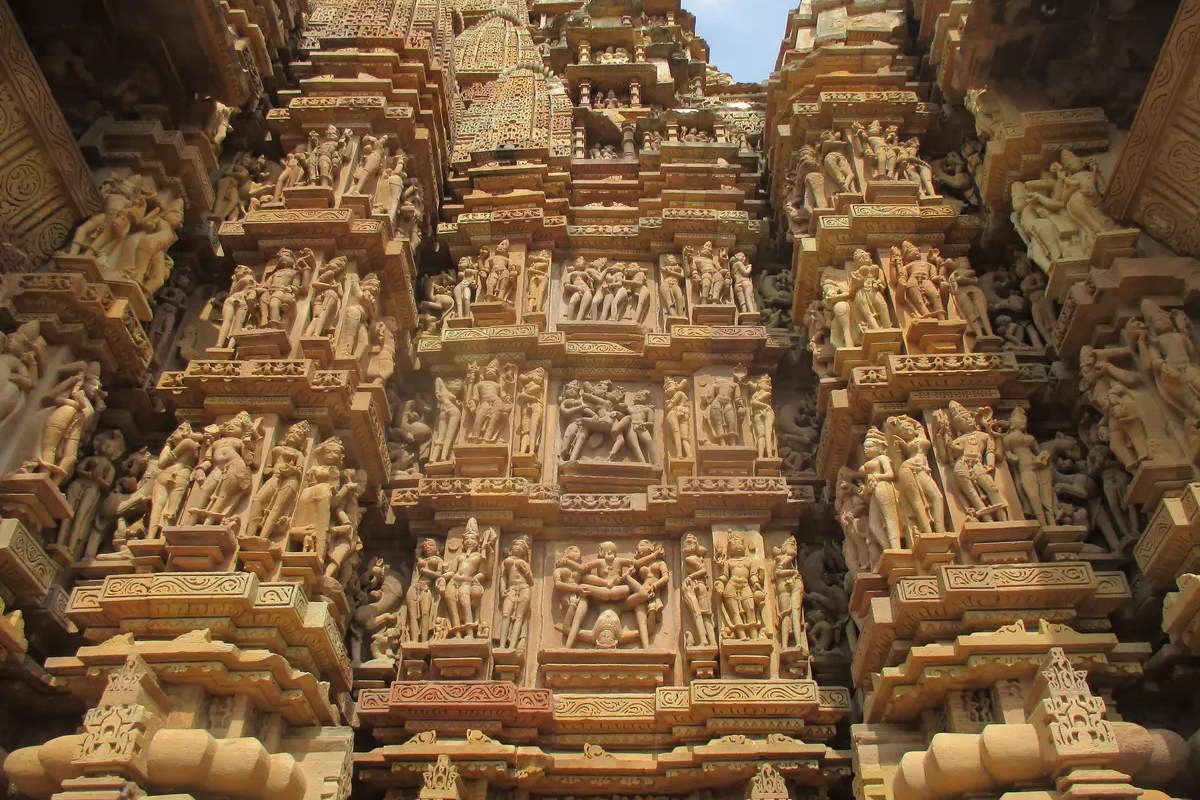
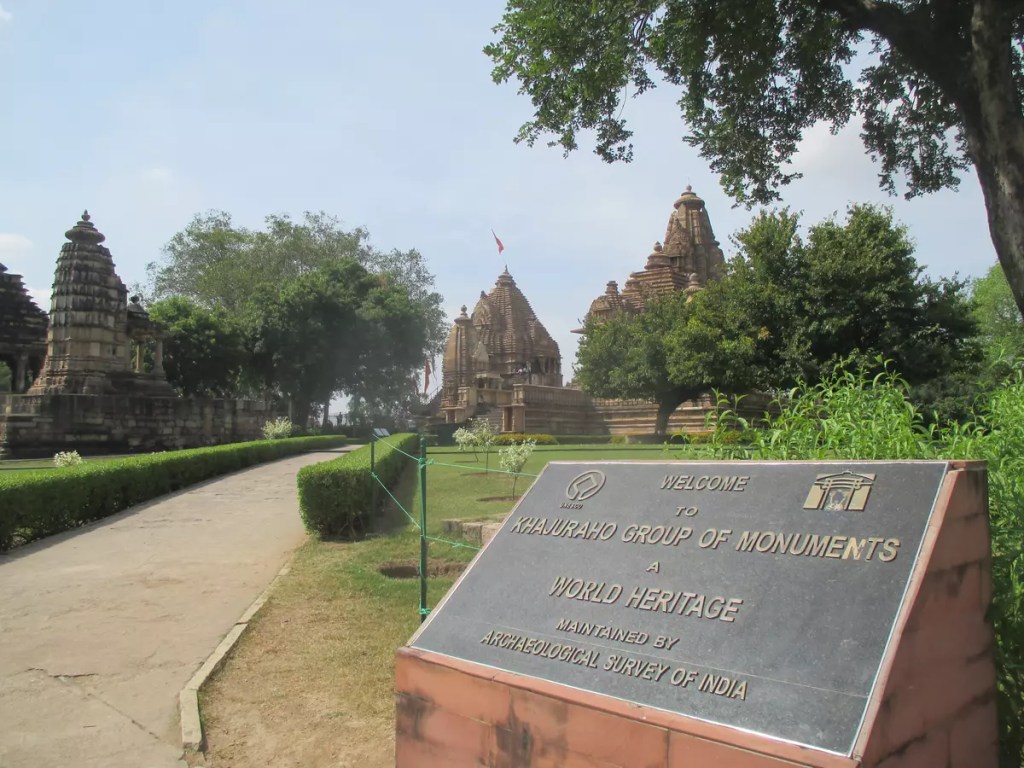
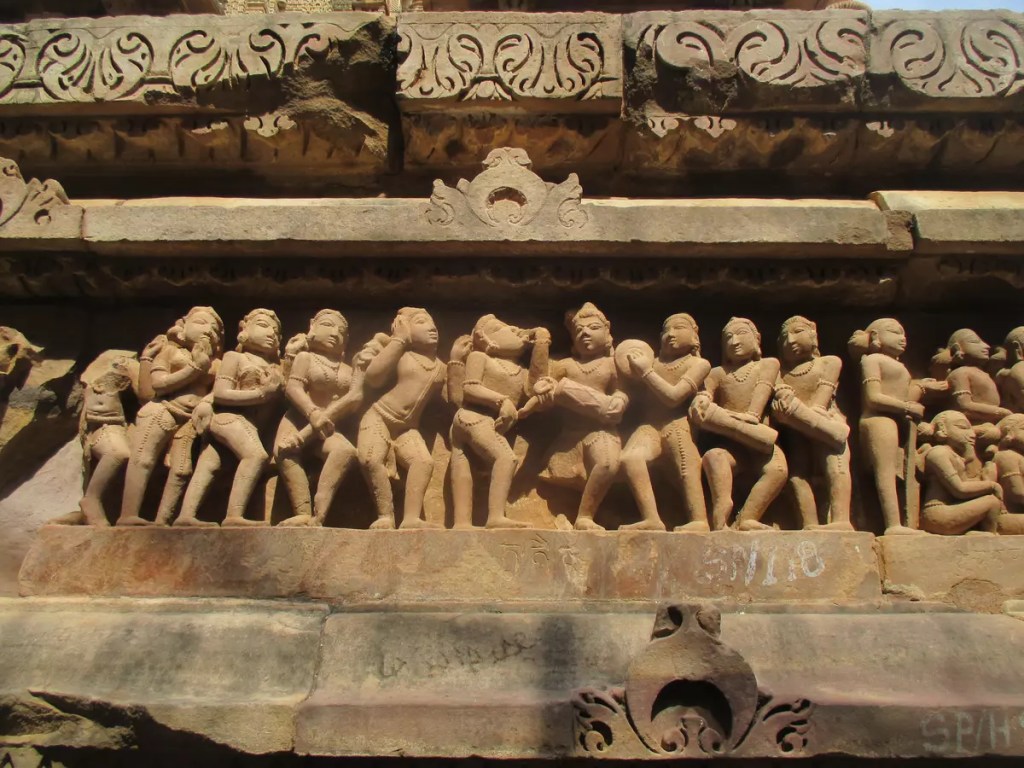
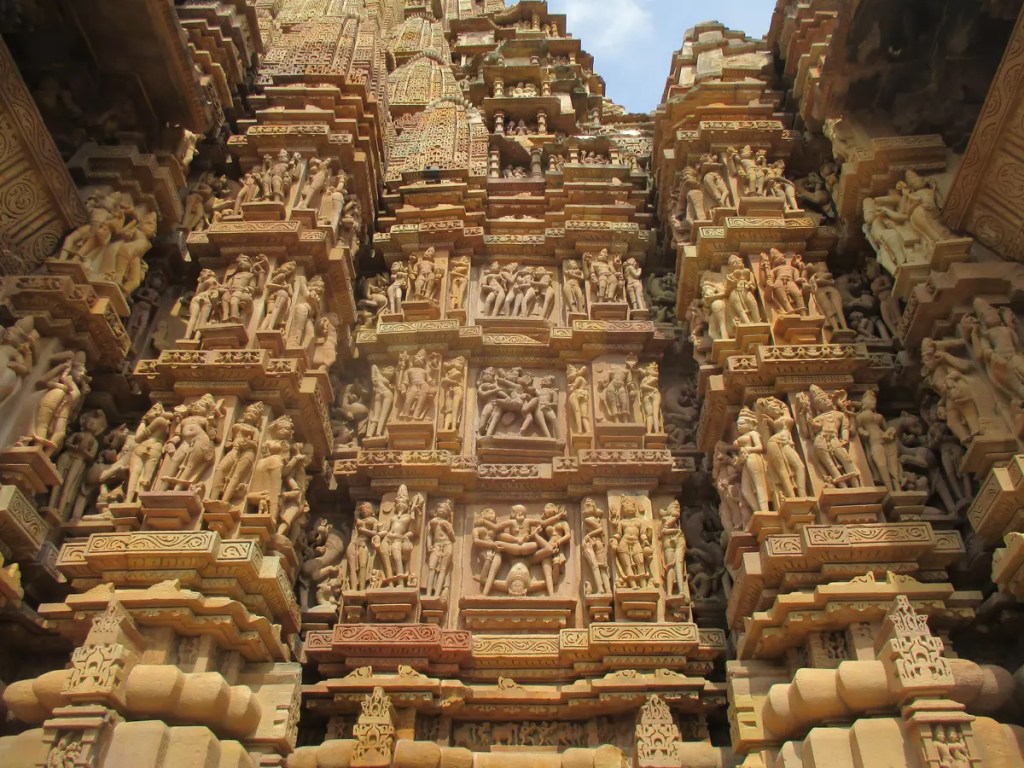
As of today, Khajuraho is well known for its ancient temples and erotic sculptures. Set within a dense forest of palm the group of temples were discovered by a British army engineer in 1830. Originally said to be 85 in total, only 22 have survived time. These temples were built between the 10th and 12th Centuries by the Chandela dynasty. The temples are dedicated to Hinduism and Jainism and have been divided into three groups: Western group, Eastern group and Southern group of temples. They are a part of the UNESCO World Heritage site.
The western group of temples is the centre of all activities for tourists visiting Khajuraho. I got settled in a hotel at walking distance from the temple. Booking via GoIbibo gave me an instant discount of around 50% — a win-win situation.
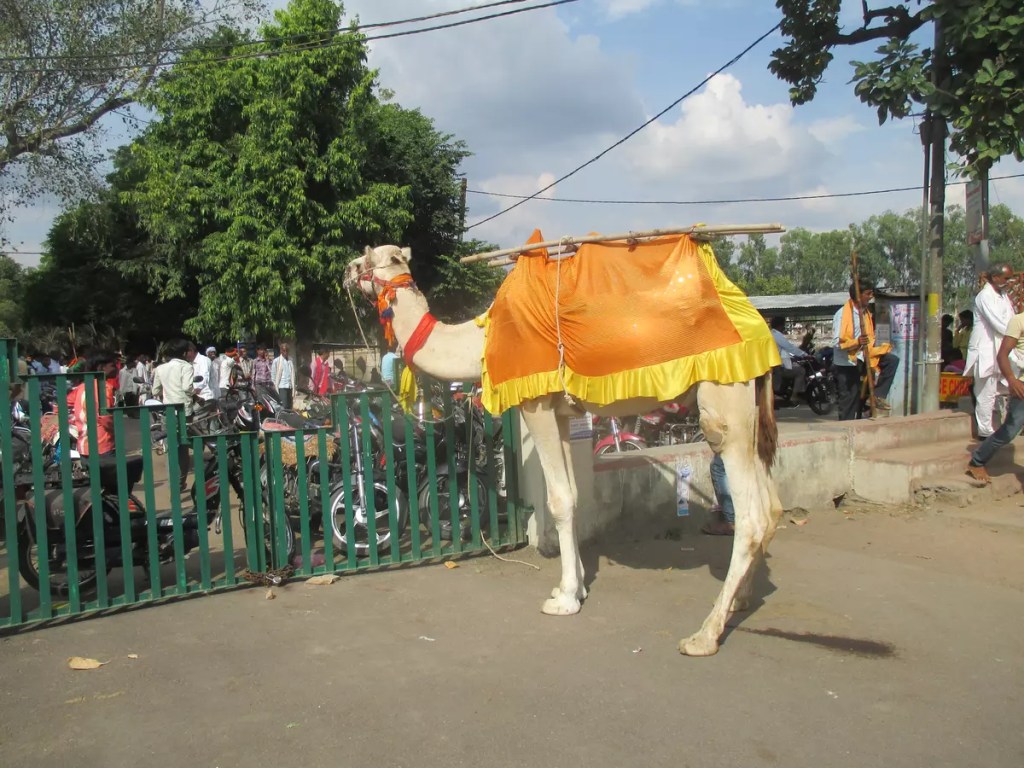
It was almost 10 am when I set out to explore the town. Since it was Diwali people from nearby Villages had come in large to celebrate. They held amazing folk dances songs and acrobatic performances on the street. To be mentioned here the roads near the Western group of temples are a traffic-restricted Zone. Click here to see the video of the street performances that I shot there.
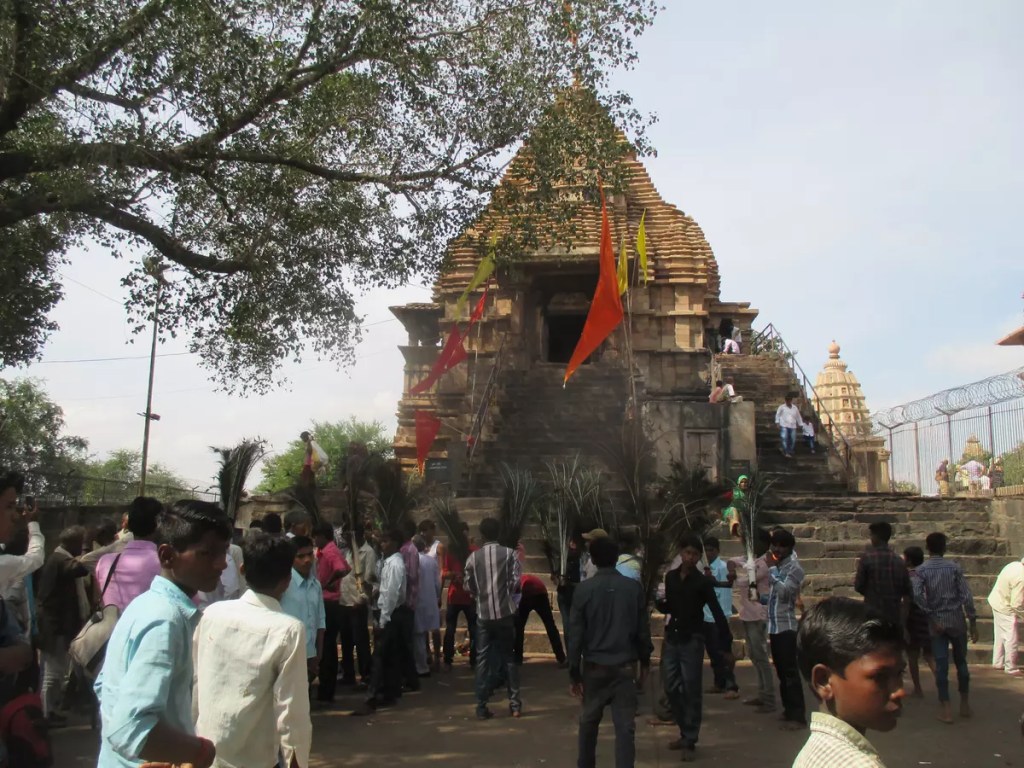
My first destination on the list was Matangeswar Mahadev Temple. Contrary to most temples here, this is still a living place of worship. The temple is a part of the Western group of temples but is outside the enclosed area. The temple is dedicated to Lord Shiva and has an 8-foot-high lingam; the highest I have seen to date.
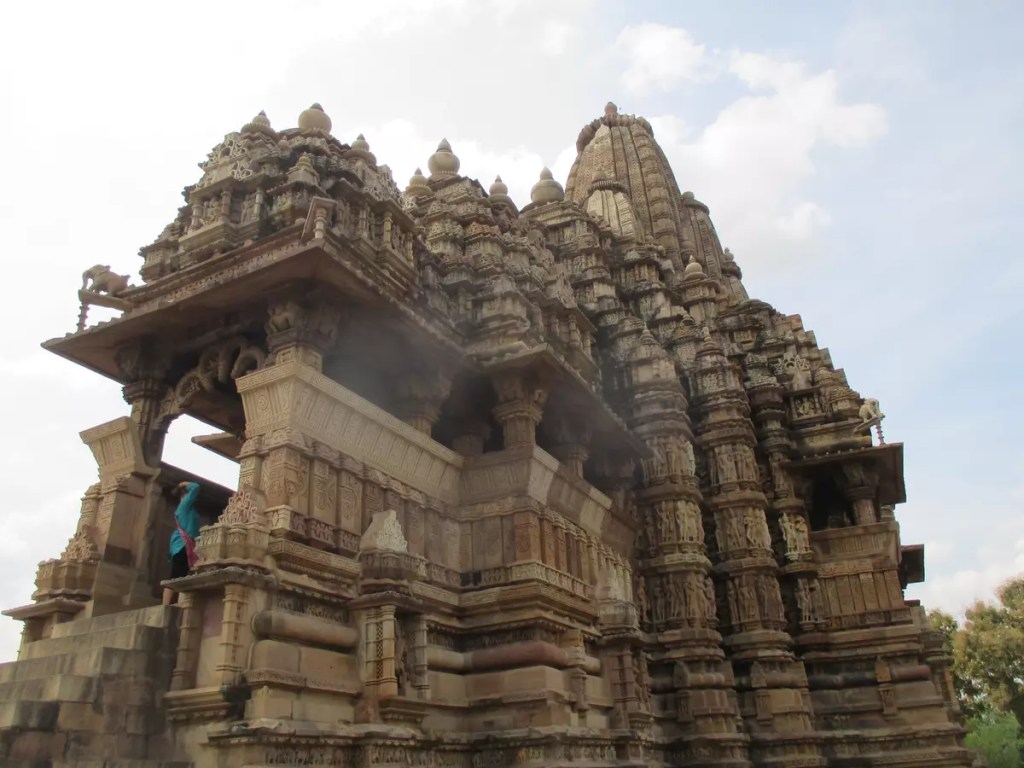
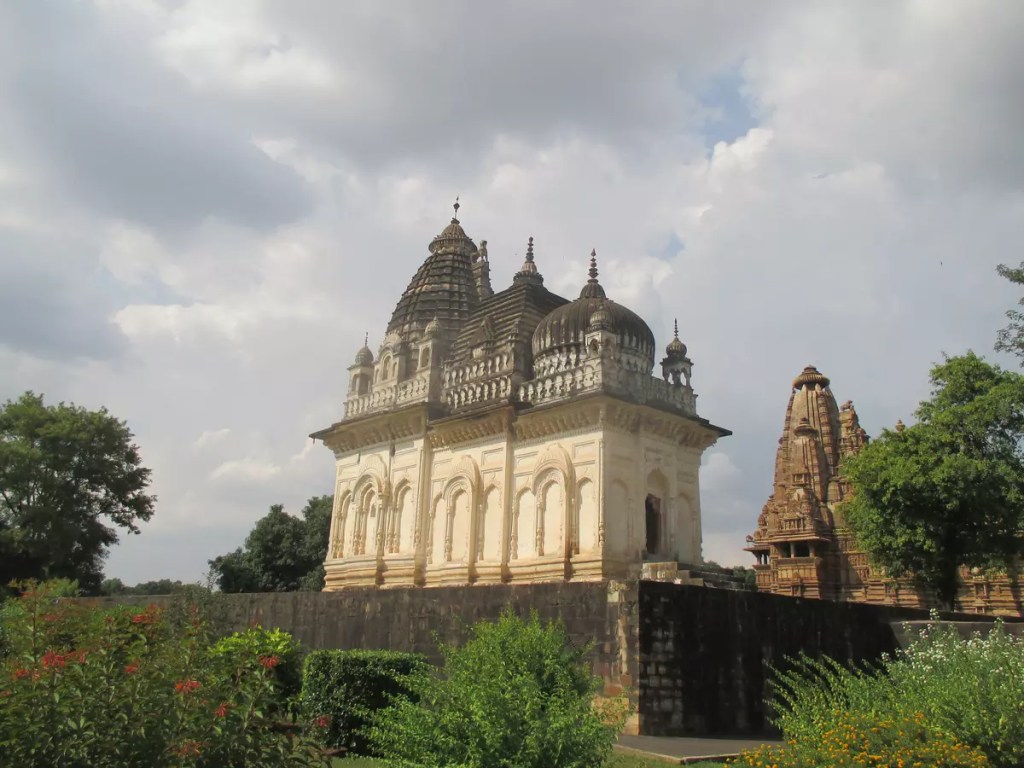
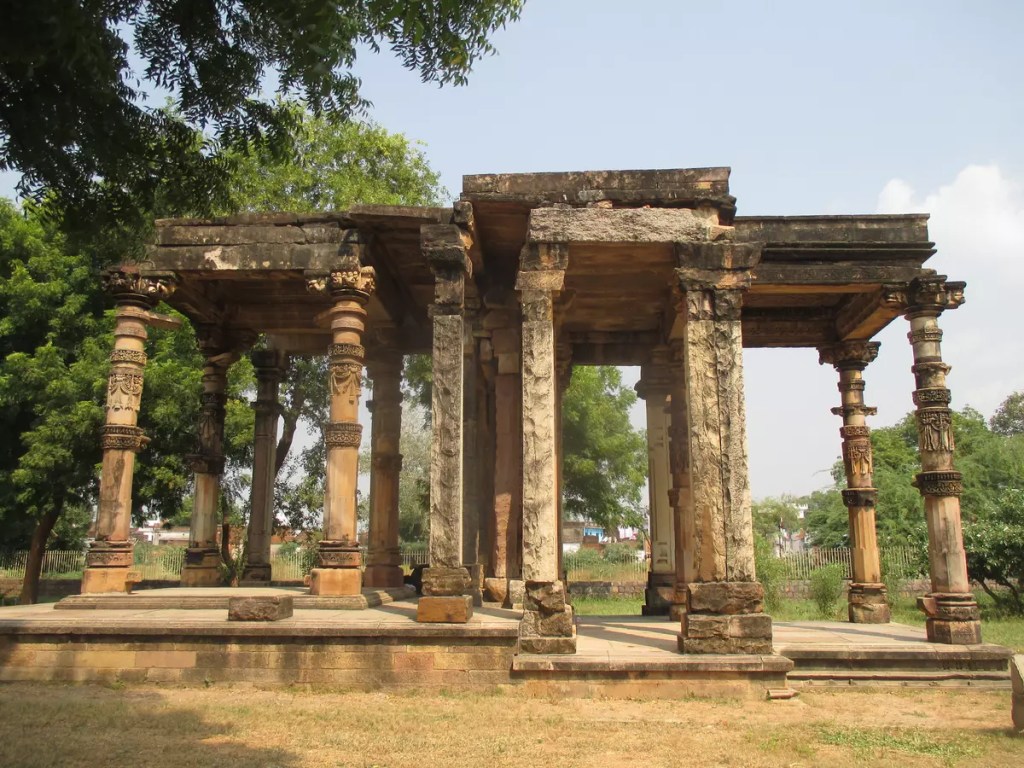
From here I went into the enclosed area of the Western Group of Temples. This is a ticketed premise maintained by the Archaeological Survey of India. There are eight temples within the complex spread over a well-maintained lawn. A guided path takes one to each of these temples. The first temple I encountered going through the left was the Varaha Temple dedicated to the Boar incarnation of Lord Vishnu. The body of the Boar statue is sculpted with numerous small figures. The Lakshmana temple is dedicated to the four-headed aspect of Lord Vishnu — Vaikuntha Chaturmurti. The Kandaria Mahadev Temple is the largest and the most ornate among the temples here. The chief deity of the temple is Shiva. On the same platform as Kandaria Mahadev Temple is the Devi Jagdambi Temple. Similar in architecture to the Devi Jagdambi Temple, Chitragupt Temple is dedicated to the Sun God — Surya. The next temple is dedicated to Shiva who is also known as Lord Vishwanath or “Lord of the Universe”. Facing the temple is Nandi Mandap with an idol of the Bull Nandi.
It was late afternoon when I completed the tour of the Western Group of Temples. Next, I headed to the State Museum of Tribal and Folk Art located around a kilometer from the Western Group of Temples. This place has a fine collection of tribal and folk arts and artefacts from across the state. A very few number of tourists are aware of and visit this place.
Light and Sound show is organised every evening on the lawns of the Western Group of Temples. The show takes one back to the times of the Chandela kings when the temples were first constructed. Spoiler alert: The voice-over has been done by the legend with the legendary voice Amitabh Bachan.
Later that night before settling down I went to have dinner at one of the popular restaurants in the town of Marwadi Bhojanalaya. The place, located near Shivsagar Lake is frequented mostly by tourists looking for some authentic Indian food.
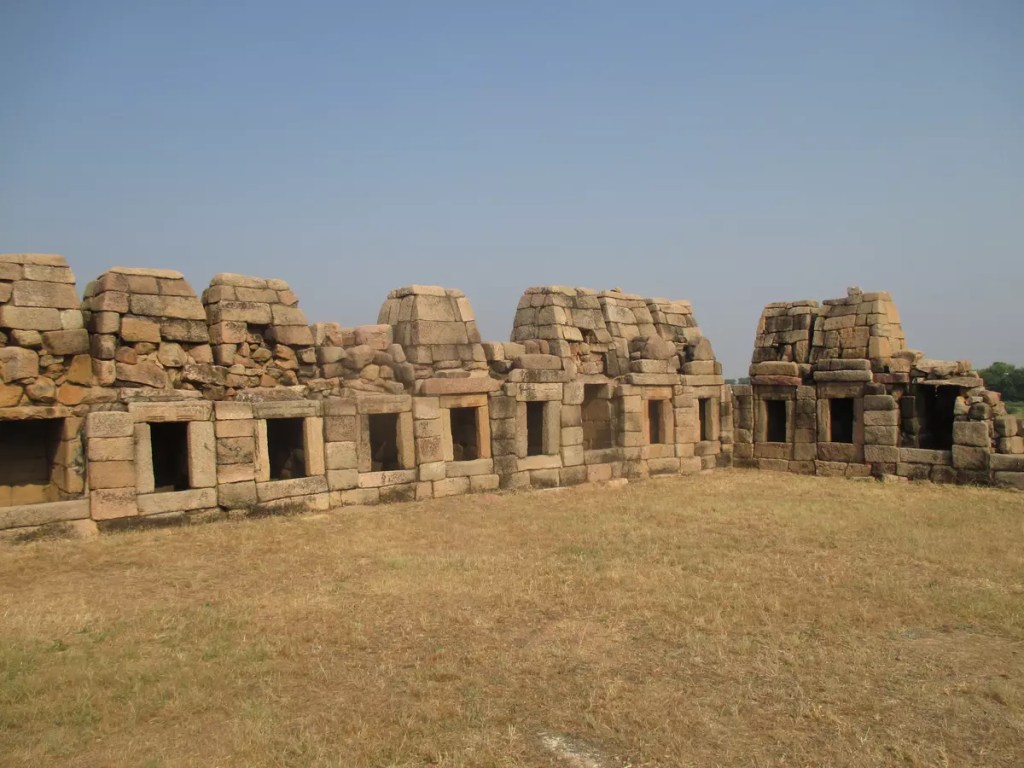
The next day the turn was to visit the remaining temples. Though it is advised to take an auto or two-wheeler; I decided to the contrary and find my walk through these temples. I checked out of the hotel by 8 am and headed towards Chausath Yogini temple located behind the Shivsagar lake. This is among one of the oldest temples in Khajuraho and is dedicated to the 64 yoginis or the manifestation of the Mother Goddess Shakti. Set in an open courtyard the temple is composed of 64 small temples that are said to once contain idols of the 64 yoginis. As told by a watchman, due to the neglect over the years to the temple the idols relocated to Bhedaghat in the current Jabalpur district along the bank of river Narmada.
After this, I headed east towards the Brahma temple, a walk of 2 km from Chausath Yogini temple along the Jain Mandir road. This is a relatively small temple with minimum decoration and houses a four-faced lingam hence the name.
Around 400 m northward are the Vamana and Javari temples. Both Vamana and Javari Temples are dedicated to Lord Vishnu. Vamana Temple houses the Vamana avatar of the Lord.
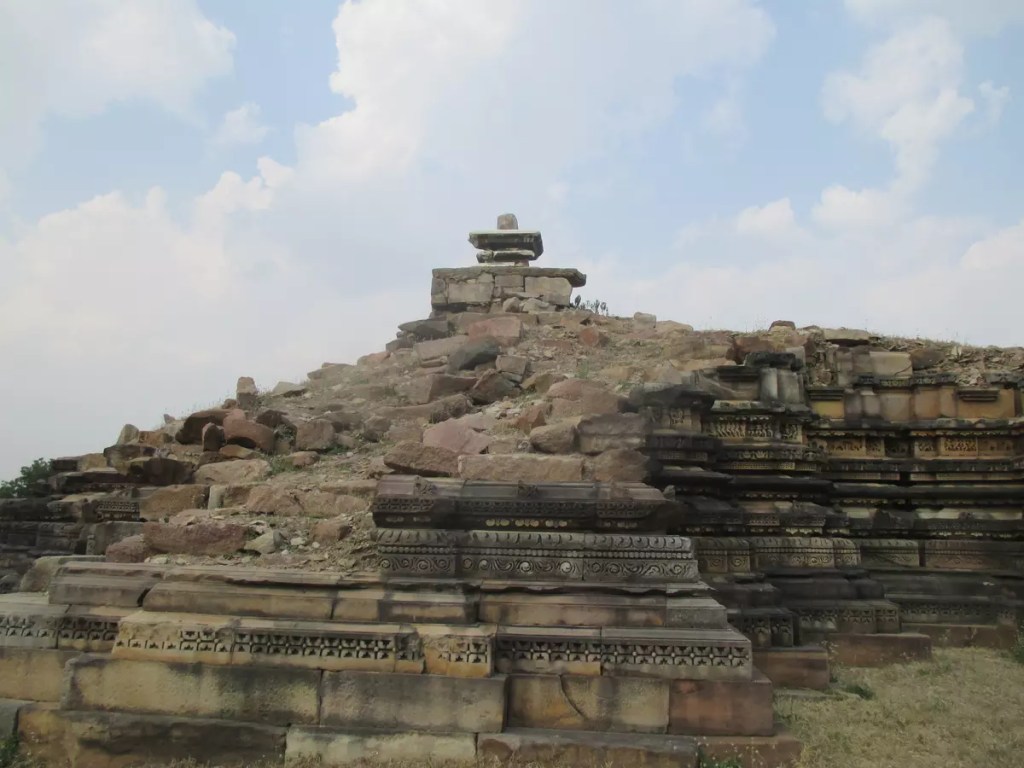
From Javari temple making way through small alleys, I reached next to Ghantai temple which is a ruined Jain Temple dedicated to the Jain spiritual teacher Adinath.
The main cluster of the Jain group of temples formed by the Parsavanatha Temple, Adinatha Temple and Shantinatha Temple is another 500 m towards the east. The Parsavanatha Temple is dedicated to Parsavanatha. The entrance to this temple has an inscription of the most perfect magic square. As like the Ghantai Temple, this temple is also dedicated to the Jain spiritual teacher Adinath. The Shantinatha Temple is dedicated to Shantinath, another spiritual teacher in Jainism.
Dulhadeo Temple, the first in the list of Southern Group is around 1 km south on the banks of Khudar River.
Continuing along the road further south to the village of Jatkara where asking any local will guide you towards a farmland across which the Beeja Mandal Temple ruins stand.
From here facing south I could see Charturbhuj Temple, the last in my itinerary. The watchman there guided me a shortcut through the field track to the temple.
So my walk through the temples ended near sunset. I walked a bit more to reach Bamitha Road near the airport. My return journey started with an auto to Bamitha, then by bus to Satna and a final over-crowded general coach train ride to Allahabad.
For more pictures from my trip to Khajuraho, visit my Instagram profile and follow the hashtag #ag1805x_in_Khajuraho. The story was also published on Tripoto.
 DFickleMind