Fact check:
Location: Shillong
State: Meghalaya
Country: India
Altitude: 1525m
Reaching there
For the people coming from the rest of India and other countries, Guwahati in Assam will act as the hub. Guwahati (Maligaon) is the headquarters of the Northern Frontier Railway zone of the Indian Railway. The Guwahati (GHY) and Kamakhya (KYQ) railway stations have trains to most major cities in India. The city has Lokpriya Gopinath Bordoloi International Airport (GAU) to cater to the tourists preferring airways. Buses are available from several places in West Bengal and Bihar to Inter State Bus Terminus (ISBT) in the city.
Guwahati not only serves as a hub for visiting Shillong but all the seven sister states of North East India. The four-lane Guwahati-Shillong Road (GS road) or NH-6 connects the two cities. TATA Sumo and buses ply at frequent intervals from Paltan Bazar. From here one can also hire taxis for Shillong. The first thing that welcomes you to Shillong is the majestic Umiam Lake. It was created by damming the Umiam River in the early 1960s. Apart from the scenic beauty, this place offers water sports facilities to enthusiasts.
Stay
Hotels of every budget range are available in the city. Homestays at Sohra, Mawlynnong and other adjoining areas can give a first-hand experience of the life of the locals.
The plan
Day 1: Start your trip by exploring the places within the city limits.
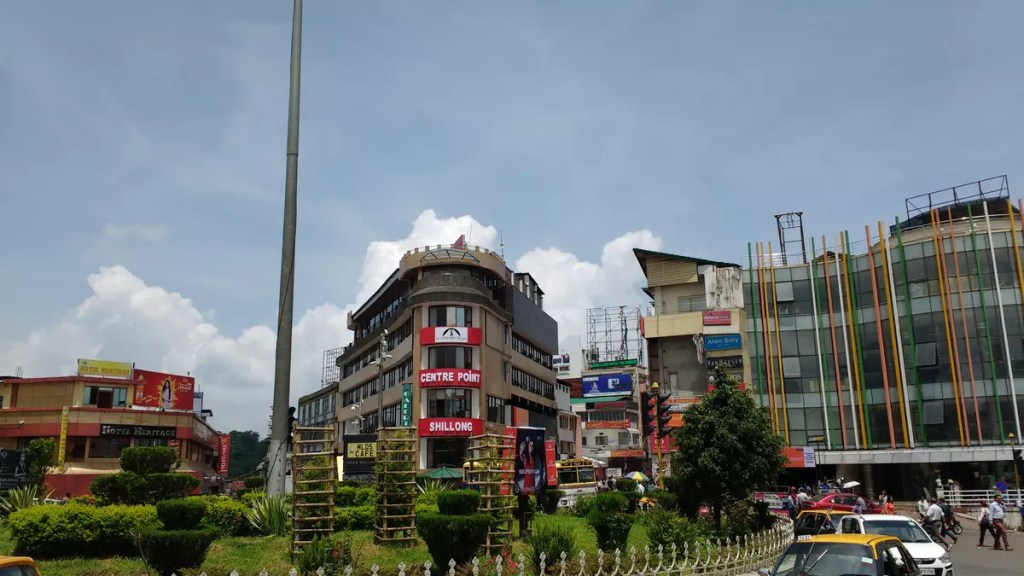
Khyndailad or Police Bazar is considered the centre point of the city and this is where the exploration starts. Tourist cabs and busses can be availed from this point. The place is also a popular shopping destination and hangout for the locals. Several governmental establishments are set up in and around PB.
The first spot on the bucket list, Capt. William Sangma State Museum is a government museum that offers insight into the lifestyle of the people of the state. It is considered one of the centres for studies into the history and culture of the state.
From here you can head to Lady Hydari Park. It is a well-manicured garden with a mini zoo cum deer park attached to it.
Crinoline Falls is a cool spot within the city limits located near the park.
The Cathedral of Mary Help of Christians at Laitumkhra locality is one of the most picturesque churches in the city.
Day 2: Further exploring the city.
The Don Bosco Centre for Indigenous Cultures is a centre that focuses on the rich cultural heritage of North East India. It offers a unique fusion of all sister states under one roof.
Shillong is also home to the only known museum in India dedicated to moths and butterflies. The Butterfly Museum is located about 2 km from Police Bazar.
Nestled within tall and elegant whispering pines, the eighteen-hole Shillong Golf Course is one of the finest golf courses in the world.
Ward’s Lake near Police Bazar with a boating facility offers a serene place to relax in the evening.
Day 3: Road trip to Sohra.
56 Km from Shillong, Sohra or Cherrapunjee once held the record of having the highest rainfall in the world. The Meghalaya Tourism Department conducts bus tours for tourists daily. The bus tour can be booked in advance at their office at PB.
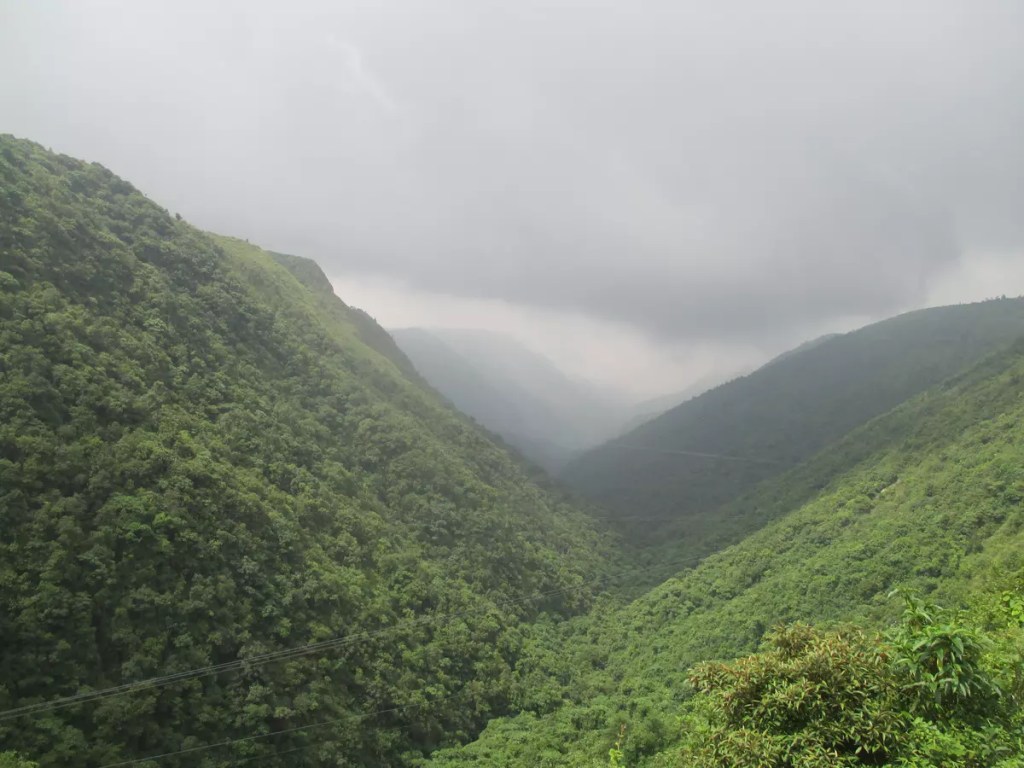
The first stopover of the trip is the Mawkdok Valley Viewpoint along the Duwan Singh Syiem Bridge. This is the entrance to the Sohra circuit. From here the landscape abruptly changes into picturesque deep gorges.
Mawsmai Nongthymai Eco Park built just above the Seven sister falls is the next spot on the list. As you stand on the viewpoint here, the waterfalls plunge deep down beside you. The entire waterfall can be viewed from another point while driving along the road.
The state of Meghalaya is home to some of the world’s longest caves. As of 2015, 1580 caves have been identified in the state. Mawsmai Caves have the distinction of being the only caves in Meghalaya that are lit enough to enable tourists to enjoy the natural formations in awe. Though the caves are long only a distance of 150 m is open for tourists.
Mothrop Rock or Khoh Ramhah is another major tourist attraction in the circuit. The impressive rock formation is in the shape of a giant cone. Legends have it that the stone is a fossilised cone-shaped basket of an evil spirit. However, the beauty of the place is enhanced by the flow of the stream through the rocks, which takes the shape of a rapid waterfall when seen from behind.
Thangkarang Park laid on the rocky cliffs offers a panoramic view of the plains of Bangladesh. One can also see the Kynrem Falls cascading down majestically in three stages. The park is home to several endemic plants of the region.
The Ramakrishna Mission is an important landmark overlooking the hills of Cherrapunjee. Apart from the temple, the institution houses a school and a tribal museum.
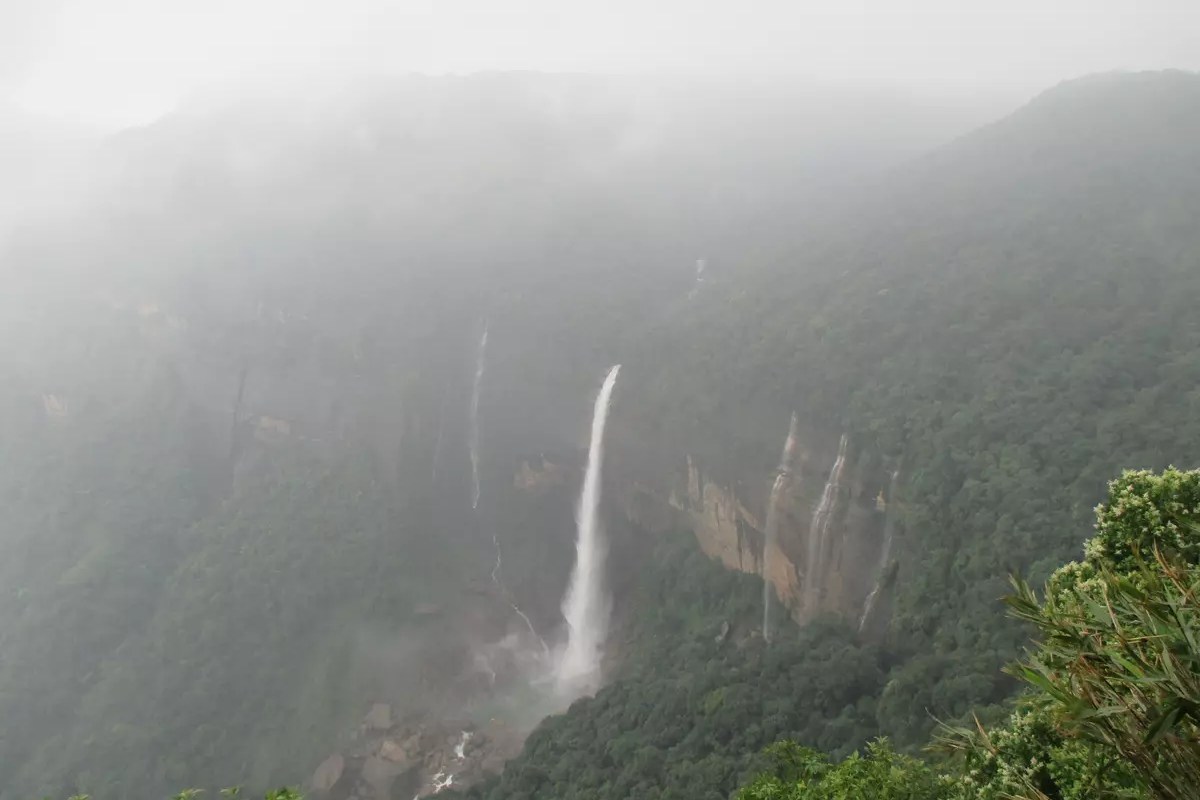
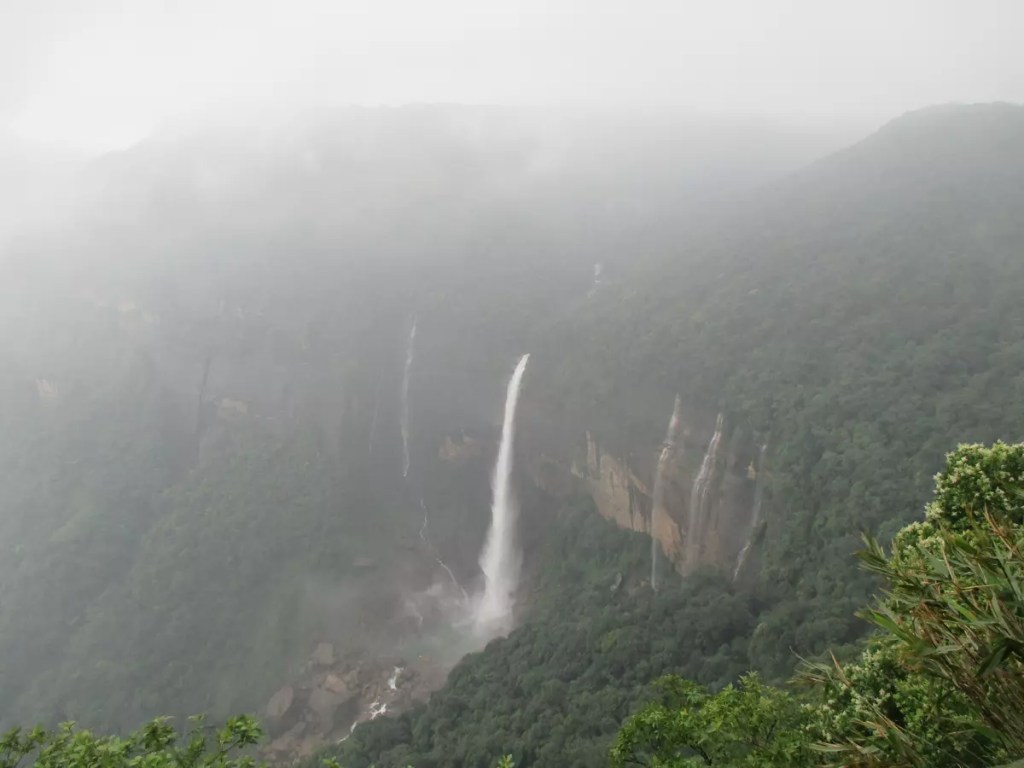
The NohKalikai Falls is a beautiful waterfall, cascading down from the top of the gorge to the mystic deep green pool below, reminding one of the tragic legend associated with it. This waterfall has the tallest plunge in India with a height of 1115 feet. Take a walk beyond the viewpoint and follow down the stairs to get a view of the waterfall from below.
Instead of returning to Shillong you may stay at Sohra and go for a trek to the Double Decker Living Root Bridge the next day.
Day 4: Living root bridge trek.
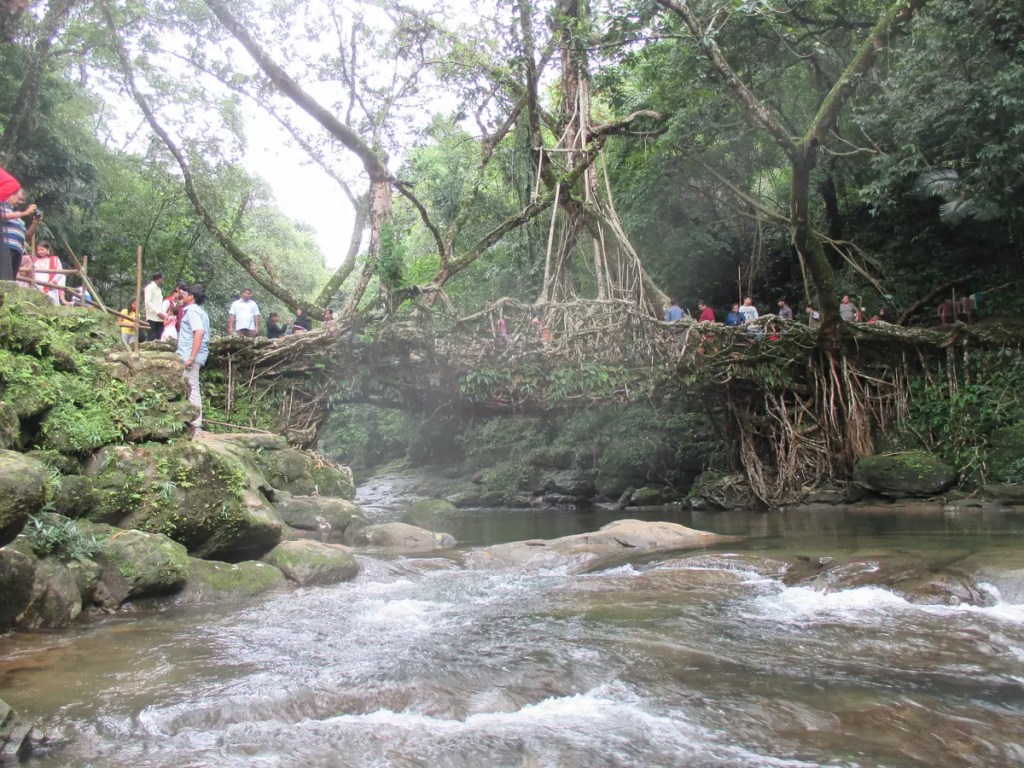
Living root bridges are a form of tree shaping common in the state of Meghalaya, especially in the Khasi and Jaintia hills region. The secondary roots of the rubber tree (Ficus elastic) are guided to grow across the river by using the hollow trunk of the betel nut tree. The bridge grows stronger with time as the roots become firmer. One of the popular living root bridges is at Nongriat near Cherrapunjee. This is a double-decker root bridge and requires a downhill trek of 2-3 three hours to reach the spot. Check out the India Hikes website for details about the trek.
Day 5: Visiting the cleanest village in Asia.
Much before the Government of India started Swachh Bharat Abhiyan this small village of Mawlynnong was bestowed the title of Asia’s Cleanest Village in 2003 by Discover India Magazine. This magical village offers a wonderful view of the plains of Bangladesh. A viewpoint atop a tree has also been constructed by the village council for the tourists.
The conducted tour by the Meghalaya Tourist Department that starts from Shillong covers several other spots en route. Kynroh Arliang viewpoint along the NH-40 provides a wonderful view of the canyon.
Riwai single root bridge requires much less effort to reach than the one at Sohra and is most frequented by tourists.
But the real magic of the place is when you cross the bridge, trek up the hill and reach the viewpoint in the village. Constructed and maintained on a private land there are two platforms – one that extends out of the hill while the other perched high on a tree, but both made of bamboo. A canyon formed by three hills opens to the plains of Bangladesh. Several waterfalls can be seen taking a silent plunge from the hills while a stream flows deep down in the gorge. This spot is not well known but has a marked trail.
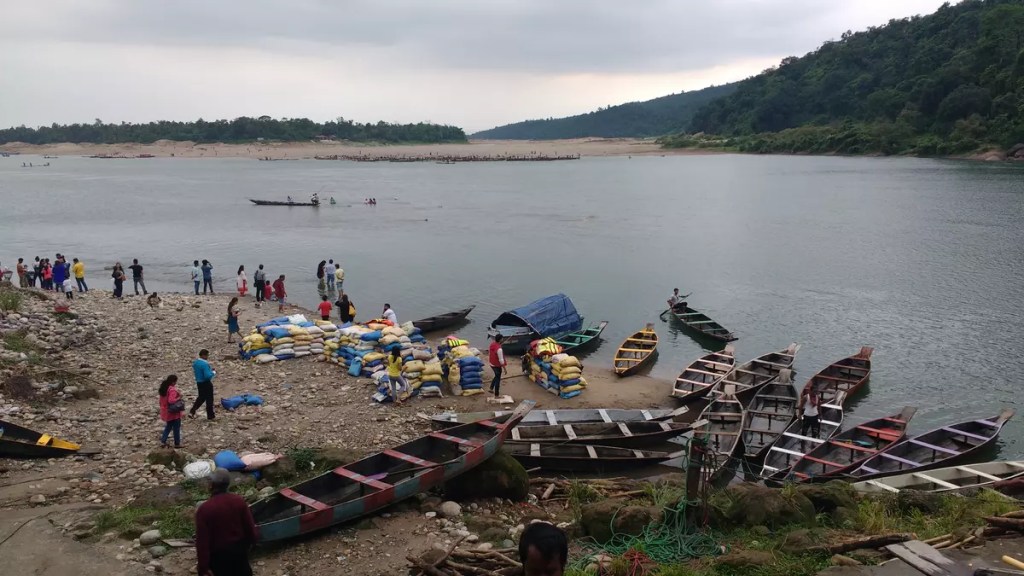
The last destination of the day’s trip is the Dawki border and river. The Dawki River is famous for its crystal-clear water. One can see the riverbed as you cruise along the river. At this spot, the river bounded towering hills on both sides entering the plains of Bangladesh.
On the way to Dawki, Bophill Falls is a popular spot among tourists.
Day 6: The wrap-up.
Head to the Shillong Peak viewpoint to get a bird’s eye view of the city of Shillong.
The Elephant Falls or the three steps waterfall is another majestic fall set in the dells of fern-covered rocks. A walk along the well-paved footpath can take you to two other small falls Wei Iaplam Falls and Wir Phang Falls.
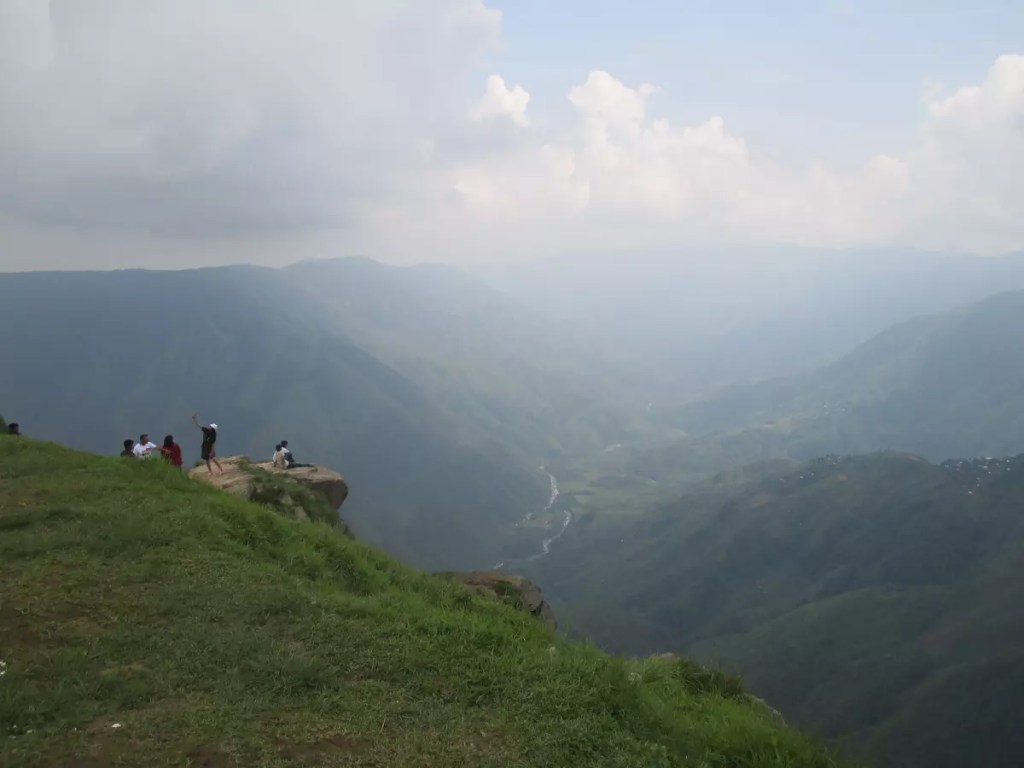
The Laitlum Grand Canyon is virgin when compared to other tourist spots here. At Laitlum one can see breathtaking gorges and steep winding stairways that snake their way down to the lush valley. ‘End of hills’ as Laitlum translates, will make you fall in love with Meghalaya all over again.
The best time to visit
Throughout the year. Monsoon is the best time to see the waterfalls but there may be cloud cover. In winter the views may be good but the amount of water in the falls streamlines. Routes for trek may be slippery during monsoon.
References
End note
This is not an exhaustive list of places to visit in Shillong. A detailed list can be found on the official tourism website.
 DFickleMind