A summer weekend trip to Varanasi and Sarnath

In the hot summer of June 2018, I made another trip to Varanasi. Touching down for the third time. This time I was accompanied by a friend from my PG back in Allahabad. We started from Allahabad on Saturday at around 4 pm on board the UPSRTC bus. Thanks to the ongoing highway development projects the usual 3 hours journey to cover the 125 kms took nearly 4 hours. Yet we were not dropped at the Varanasi Cant. Bus station. The buses to and from Allahabad now terminate 4 km before the bus station ever since the disastrous accident – the collapse of the under-construction flyover took place. Next, I was to look for an auto to Dashashwamedh Ghat nearby where I had booked a guest house. We found an auto that agreed to take us for ₹20/- per person on a sharing basis. It took around 30 minutes to reach our destination. The famed Ganga aarti had just ended and a sea of people was returning from the ghat.

Olya guest house that I had booked was about 550 m from Dashashwamedh Ghat as per Google Maps. As we made our way through the crowds, I for the first time felt Google Maps was not for Varanasi. We were just about to miss the lane on which my guest house was located. It was not a proper road but within the galis or the narrow lanes of Varanasi. This particular lane that starts near the Deshbandu Chittaranjan Park on Dashashwamedh Ghat road runs parallel to the ghats. On our way, we found several guest houses, hotels and hostels lined alongside. The proximity to the ghats makes this place popular among tourists, especially budget travellers. These lanes might not be quite clean and are overpacked; but this is what Varanasi, one of the oldest inhabited cities on Earth is all about. If you really want to experience Varanasi you must stay in this area, have a chat with the friendly locals, breath the fresh air from the Ganga and also smell the cow dung. We soon reached the Bengali Tola area and what was surprising about our guest house was that it was not like any other hotel but a house. The owner has converted a part of their house into a guest house. The room usually costs ₹750 per night, thanks to GoIbibo I got it for ₹250/- for two nights. Please use my code 3872770 to sign up and get ₹3000 goCash.

By the time we had found our stay, it was almost 8.30 pm. We had our dinner in a nearby South Indian restaurant, an authentic one tucked in the alley of the Northern state. I mention this because not every South Indian food centre in North Indian is manned by people down south and so the taste differs. Post dinner we went to breathe in some fresh air at Narad Ghat, the closest one to our guest house, before finally calling it a day.

The second day morning was spent at the exam hall. After the exam, we set out to explore Varanasi. Our first destination is Kashi Viswanath temple. The temple is dedicated to Lord Shiva and is one among the twelve Jyotirlingas, the holiest of Shiva Temples. No bags, cameras, or phones are allowed inside the temple, so it is better to come prepared or go inside turn by turn. The other expensive option is to keep them in the locker facility provided by the nearby shopkeepers. They do not charge directly for the service but will force you to take prayer packages/offerings for the Gods that will cost you around ₹300/-. As you move towards the temple from here, be alert as some other shopkeepers may drop some of their products on your basket and on your return will charge a hefty amount. But that’s not the end. Once you have kept your belongings in the locker and accepted the prayer package, a priest will be assigned to you without your knowledge who on the pretext of helping you will take you around the temple saying he is an authorized priest of the temple committee. At the end of this conducted tour, he will ask for some offertory that may be anything between ₹100/- to ₹500/- or even higher. At the Annapurna Mandir, you will also be asked to make an Annadaan of ₹501/-. So visiting Kashi Viswanath Temple can shell out ₹1300/- if you are unaware of how this place works.

After visiting the temple, we headed to the Jantar Mantar. The Jantar Mantar is a scientific wonder dating back to the 18th Century. The Jantar Mantar is basically an astronomical observatory built by the ruler of Jaipur, Jai Singh in the early 1700s. The Jantar Mantar at Varanasi is one among the five built by him. The others are at Jaipur, Delhi, Mathura and Ujjain. The Jantar Mantar of Jaipur is the largest among them. The complex is maintained by the Archeological Survey of India (ASI) and ₹5/- is charged as an entry fee.

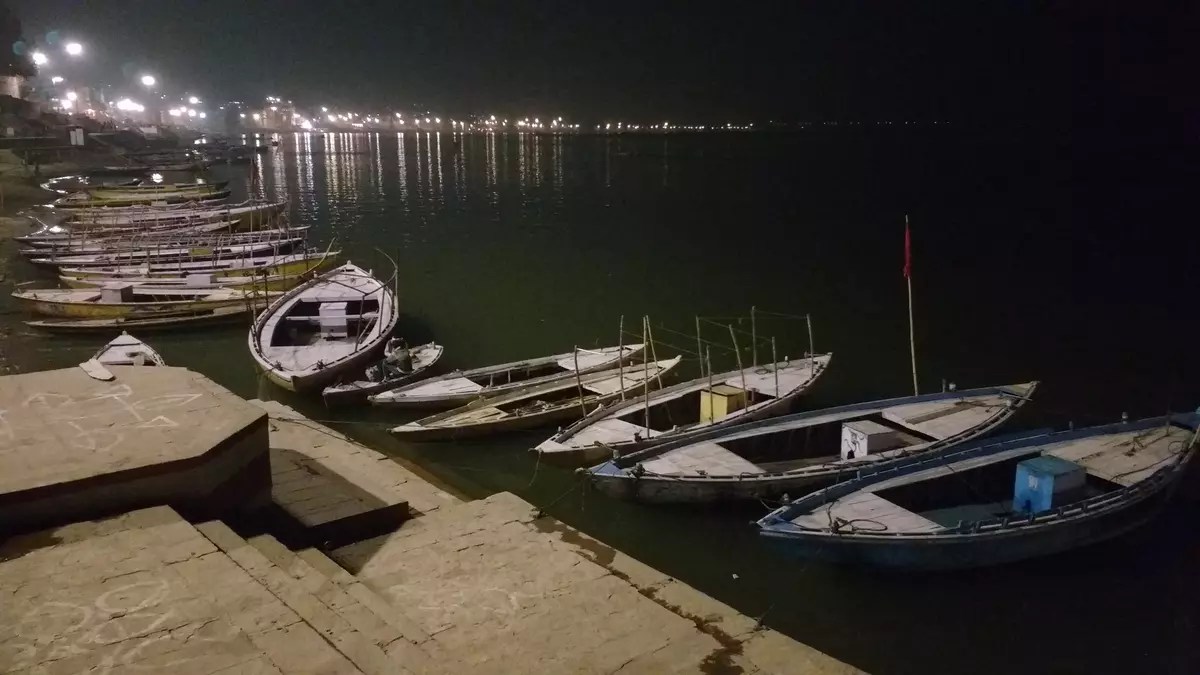
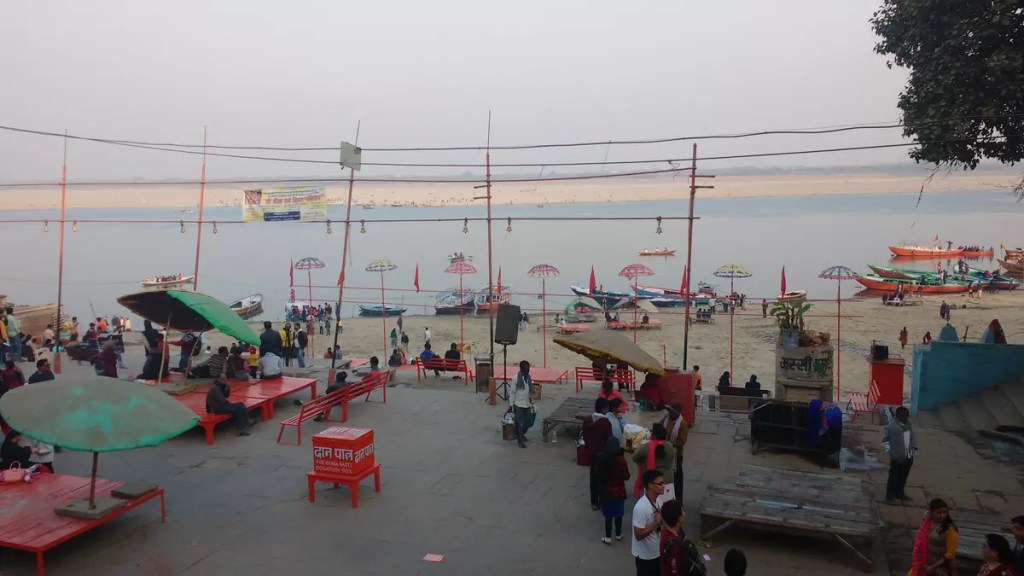
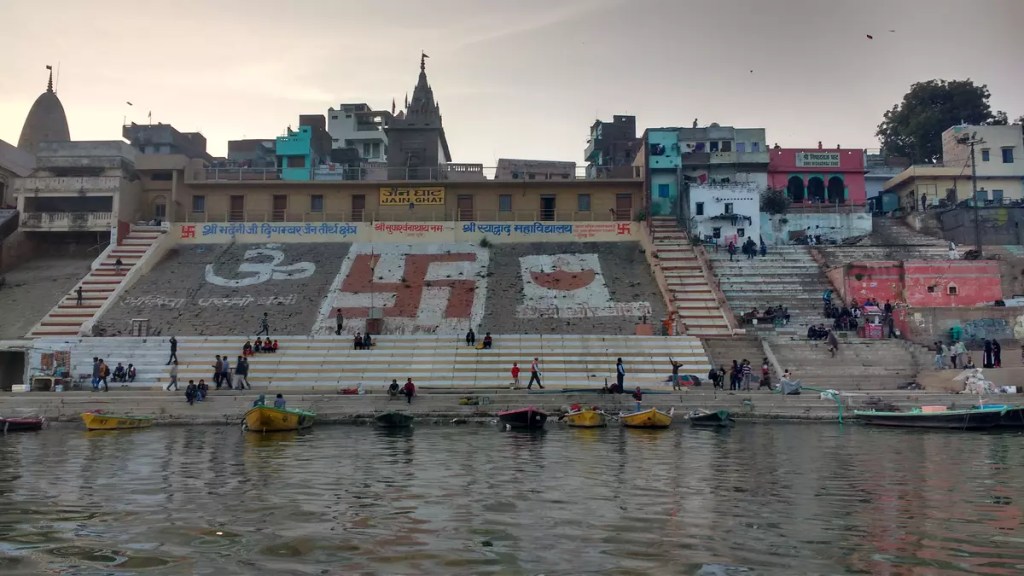
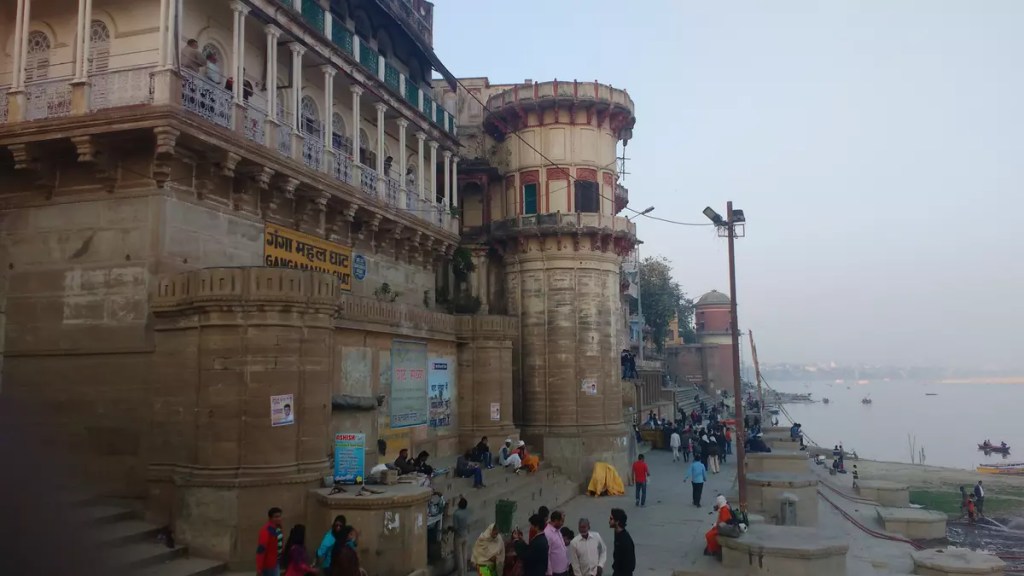
During my previous visit to Varanasi in December 2017, I had a wonderful time rowing on the Ganga during sunset. It definitely feels great to sit back and watch the activities taking place on the ghats from a distance. But for this time I wanted to take a walk along ghats. From Dashasamedh to Assi ghat is almost 3 km and covers 41 of the 88 ghats in Varanasi. Jantar Mantar is close to the former. We took an auto from Godowlia Crossing to Assi Ghat and started our journey back taking several pit stops to enjoy the views. The riverfront can be said to be the most happening place in Varanasi. Life in Varanasi is incomplete without the ghats. People come here to relax, to pray, to eat, to play and even life ends here – on the cremation ghats. For photography enthusiasts, these ghats can provide interesting subjects like the one here – wall art by @phuphi_artwork.

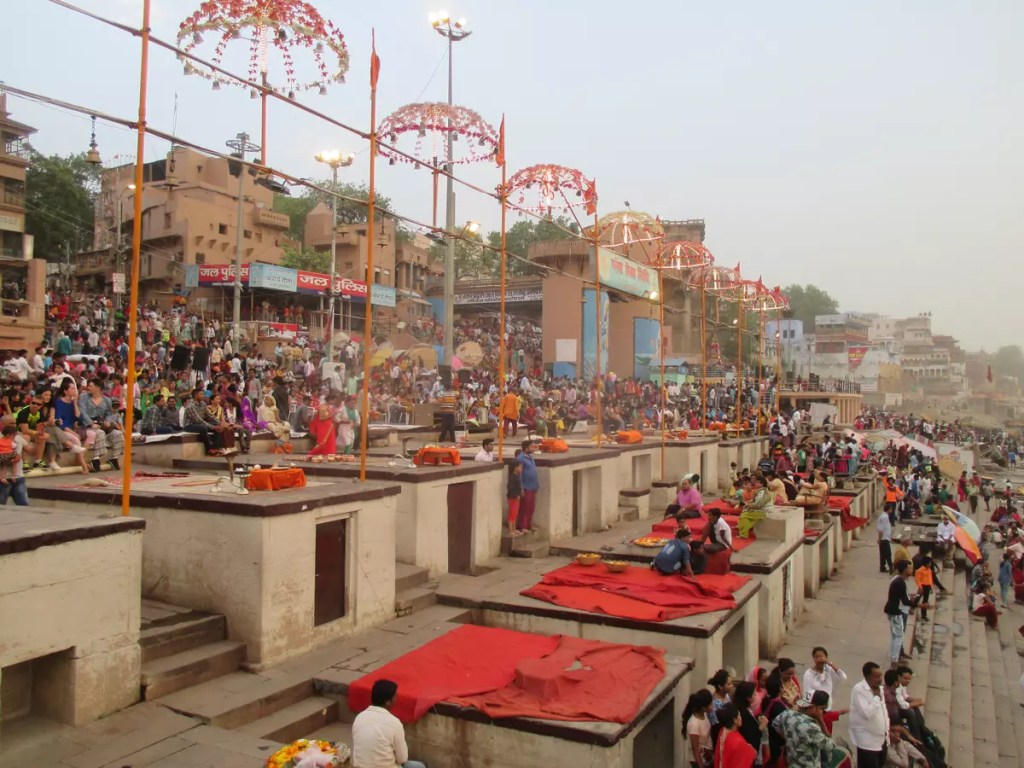
Another recommended thing if you are in Varanasi is to watch the Ganga Aarti held every day without fail, at Dashasamedh Ghat and Assi Ghat at sunset. This is not just a religious ceremony but a display of art. Scores of people gather every evening just to see the aarti ceremony.

Day 3. We checked out of our guest house early morning. Our plan for the day was to visit Sarnath and then return to Allahabad by night. We took a walk along the ghat for the last time from Narad Ghat to Dashssamedh Ghat. We charged ourselves with a breakfast of poori-sabji and set out on our quest. A person from the restaurant had guided us to take an auto from there to a place called Pandeypur and from there change auto for Sarnath. The total ride took around 40 minutes and cost ₹35/-. The auto dropped us near the Sarnath Temple and the driver was helpful to guide us about what to see in Sarnath.

Sarnath is the sacred place where Lord Buddha delivered his first sermon to his five disciples. This is the place where the Wheel of Law in Buddhism is said to have been set in motion. Today Sarnath is one of the most regarded sites for the Buddhists. A deer park, that still exists today as a mini zoo, is the exact place where Buddha delivered his sermon. Realizing the importance of this place, Emperor Ashoka erected several structures in Sarnath.

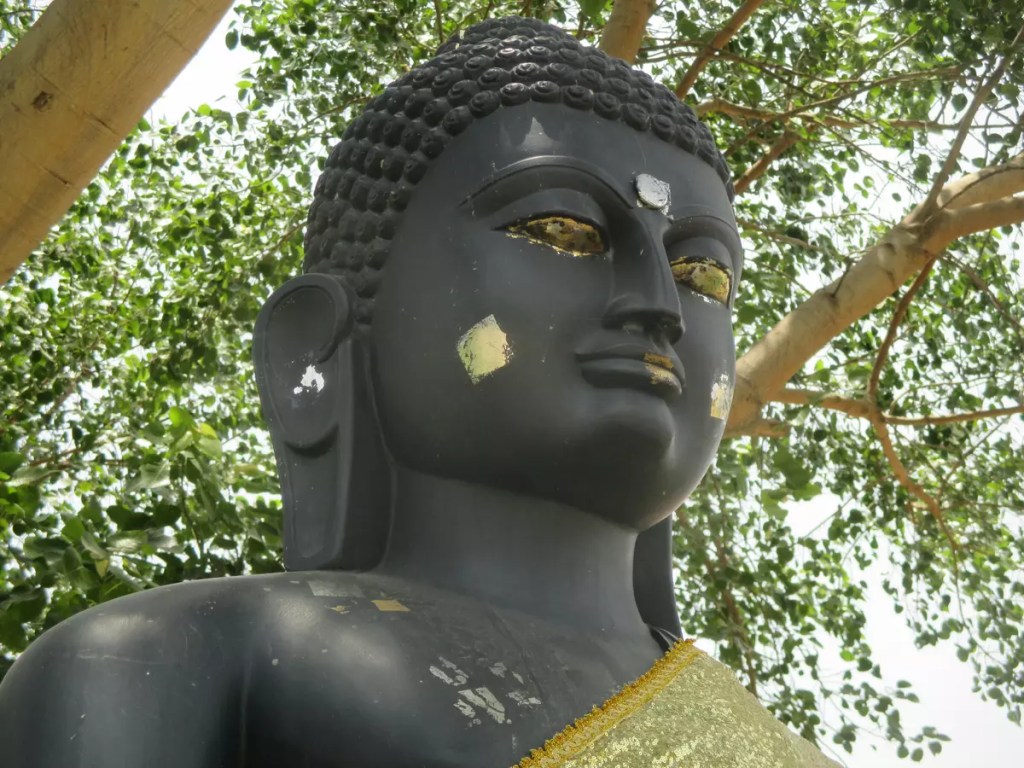
We started by visiting the Mulagandha Kuti Vihara. This is relatively a new temple built in the 1930s. The temple was built by the founder of Mahabodhi society and is still maintained and run by them. The temple houses a golden statue of Buddha on a marble platform while the walls are covered with murals depicting scenes from the life of Buddha. The temple is open from sunrise to sunset and entry is free; however, you may be asked to donate a small amount if you want to take photographs on the interior. One request that is hardly accepted by tourists is not a temple selfie inside the temple; however, this is something that must be respected.

The deer park cum mini zoo is located behind the Mulagandha Kuti Vihara. An entry fee of ₹10/- is charged and a separate fee for cameras. The park houses several species of birds and deer.

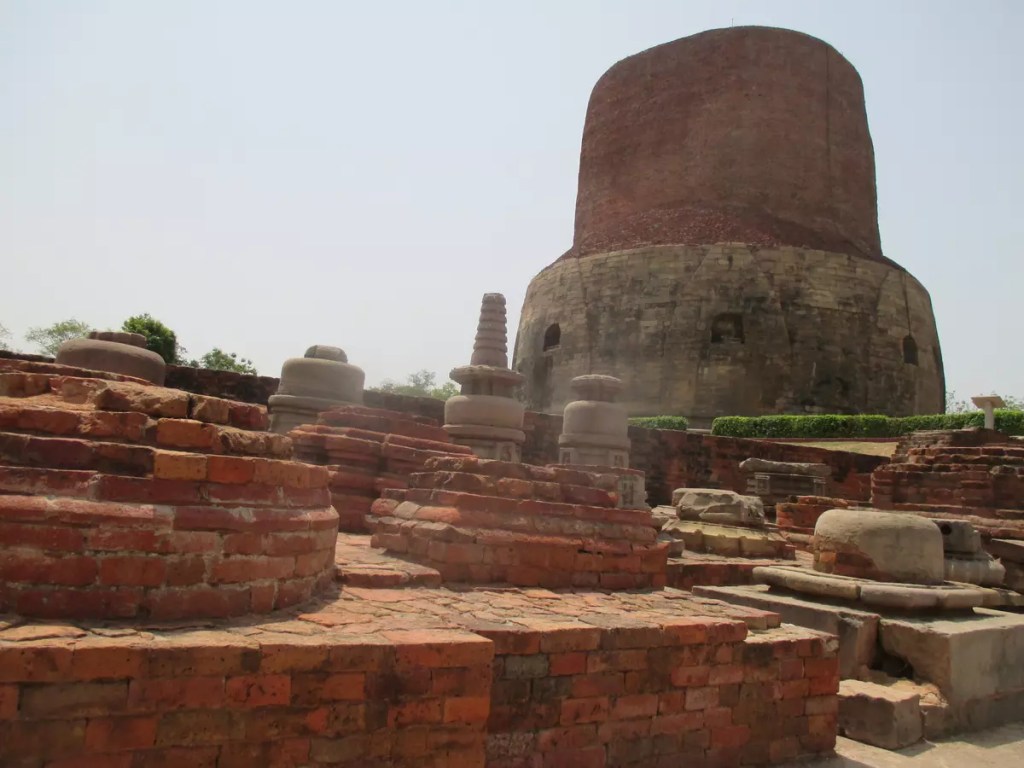
Towards the west of the Mulagandha Kuti Vihar is the Sarnath excavated site. The remains of the grand architecture from the era of Emperor Ashoka can be seen here. Most of the monasteries have been grounded by invasion by rulers over the period. This place was rediscovered during the 1800s. The only structure that stands tall is the Dhamek Stupa. The current standing Dhamek Stupa is a replacement of the original built by Emperor Ashoka. This place is also the site that housed the original Ashoka Pillar. The Lion Capital of Ashoka, which today serves as the official emblem of India, is kept at the nearby Sarnath Museum. Several other artefacts discovered from the excavated site can be found at the museum. Both the excavated site and the museum are maintained by ASI. An entry fee of ₹15/- and ₹5/- is charged for the excavated site and museum respectively.

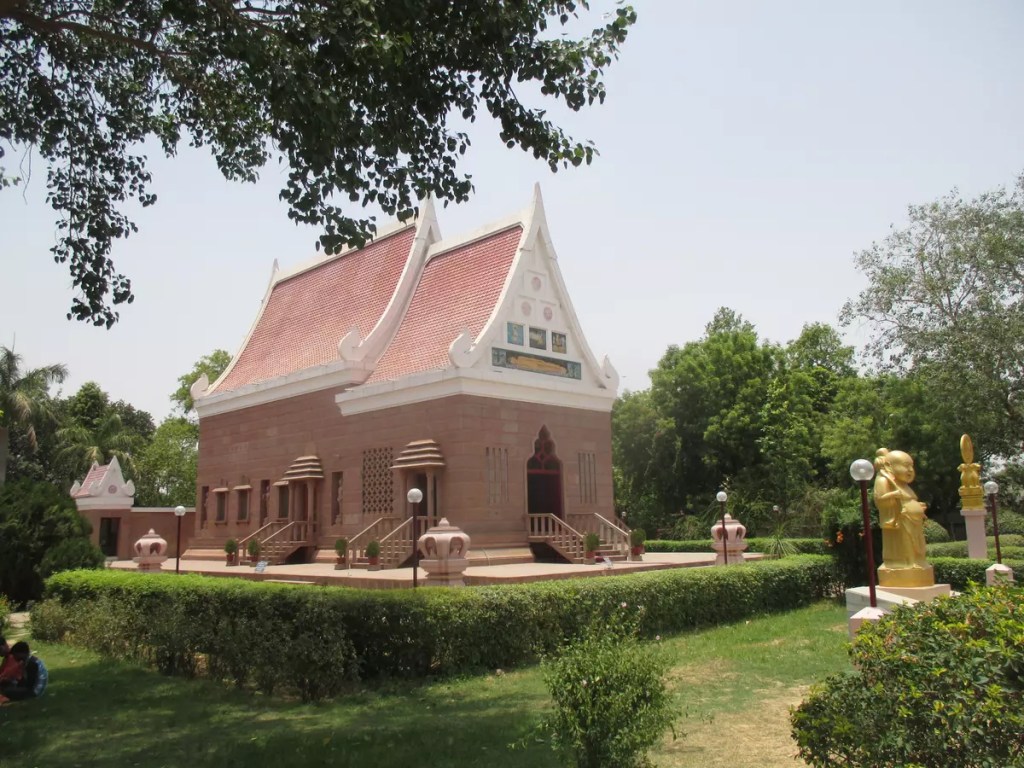
As you travel towards Sarnath from Varanasi by road, one of the first things that will catch your attention is an 80-foot-tall statue of Lord Buddha. This is within the Hinaya Buddha temple or the Wat Thai Temple complex. The temple was built by Thai dignitaries in 1931. The lush green complex also houses several other statues of Buddha and Laughing Buddha.

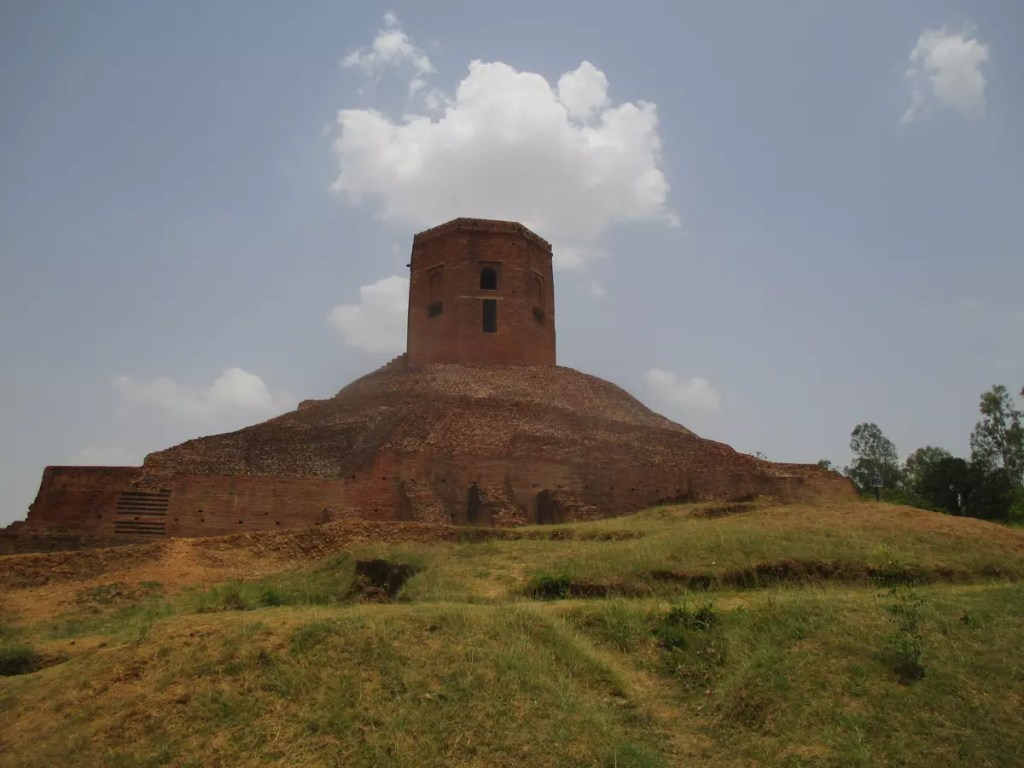
The last spot of our trip was the Chaukhandi Stupa. This is believed to be the site where Lord Buddha and his first disciples met travelling from Bodh Gaya to Sarnath. The stupa is thought to have been built during the Gupta period and today it stands as a huge mound of bricks topped with an octagonal tower, from which the name Chaukhandi may have been derived.

As our trip was completed we headed towards Varanasi by auto followed by a 6 hours truck ride to Allahabad.

More pictures from my trip to Varanasi and Sarnath are available on my Instagram profile @ag1805x. The hashtags #ag1805x_in_Varanasi and #ag1805x_in_Sarnath will provide quick access.

This article is also available on Tripoto.
An exam trip to Varanasi

Varanasi or Benaras, situated on the bank of the Ganges is considered to be one of the oldest inhabited cities on Earth. The first time I had set foot on this holy land was in August 2017 when my train decided to change its route on its way to Delhi. I had to get down here and continue my journey to Allahabad on the bus. However, it was not long before I got my second opportunity to visit this famed city. CSIR NET December 2017. As I was staying in Allahabad, Varanasi was the closest exam centre. Though I was on a tight schedule I managed to visit a few spots within the approx. 24 hours I was in the city. So this is my encounter with the holy city.

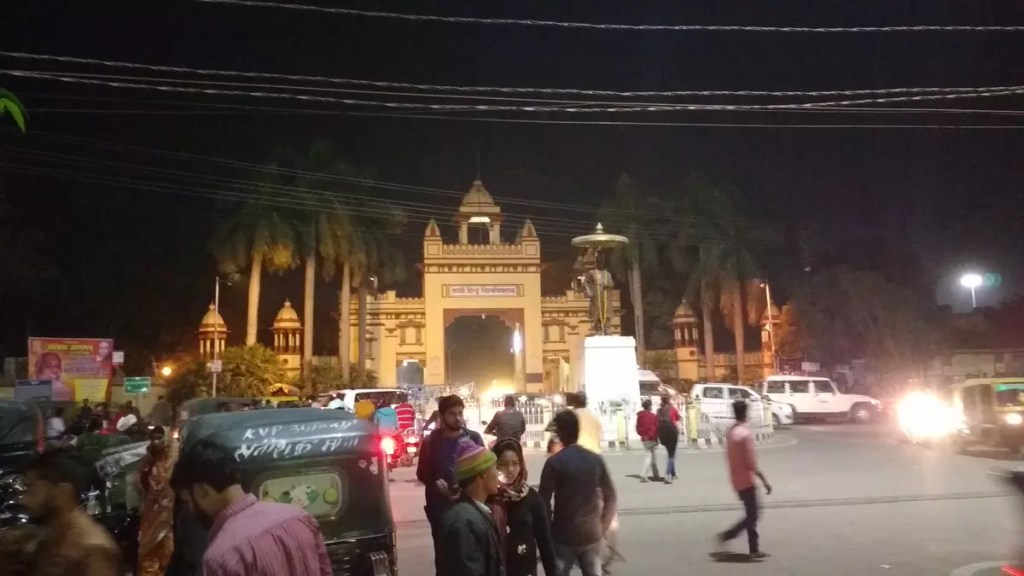
Banaras Hindu University (BHU): This is the first place that I should mention in the list as it was the venue of the exam. BHU was founded in 1916 by Madan Mohan Malaviya as the Central Hindu College. Today BHU is a public Central University and holds the record for being the largest residential university in Asia.

Ghats of Benaras: Being located alongside the holy river, the ghats of Banaras are a major attraction. The entire city touches the river at 88 ghats of which most are bathing ghats, a few used for ceremonial purposes and two for cremation of dead bodies. Assi ghat is the southernmost ghat and is close to BHU. Ganga aarti is held every evening at Assi ghat and Dashaswamedh ghat, of which the latter is a grander affair and renowned. Manikarnika and Harishchandra Ghats are reserved for Hindu cremation rituals. I must agree that a boat ride during sunset is one of the best ways to experience these ghats. We boarded one near the Assi Ghat and rowed down to Manikarnika Ghat and back.

Sankat Mochan Hanuman Temple: This temple dates back to the 1500s and is believed to have been established by the great saint Tulsidas who also authored Ramcharitmanas. This is one of the few temples where Lord Hanuman is seen facing his Lord Rama.

Most of the facts mentioned have been taken from the internet. Read in detail here:

Walking through the temples of Khajuraho

The 19th to 22nd of October was a long Diwali weekend. I was by then well settled in Allahabad and was eagerly waiting to make a trip to the 17th Indian state on my list — Madhya Pradesh. I planned this two-day trip to Khajuraho.

Since no direct trains were available on the 19th I got a current reservation ticket to Mahoba aboard the 11108 Bundelkhand Express. The train was scheduled to arrive at 10 pm but was an hour behind in Allahabad. I reached Mahoba at around 4 am the next morning. From Mahoba I continued my journey on 22448 UP Sampark Kranti Express. The slip route from Mahoba to Khajuraho takes one across the beautiful Bundelkhand plateau. I reached Khajuraho station at around 7 am. I hopped onto a shared auto that would drop me near the Western group of temples 10 km away(auto fare is usually rupees 10 per person for a shared ride).

Khajuraho is located in the Bundelkhand region of the Central Indian state of Madhya Pradesh. The town is situated within a picturesque backdrop of the Vindhya Mountain Range and is surrounded by the Khodar River in the south and the Ken River in the northeast.

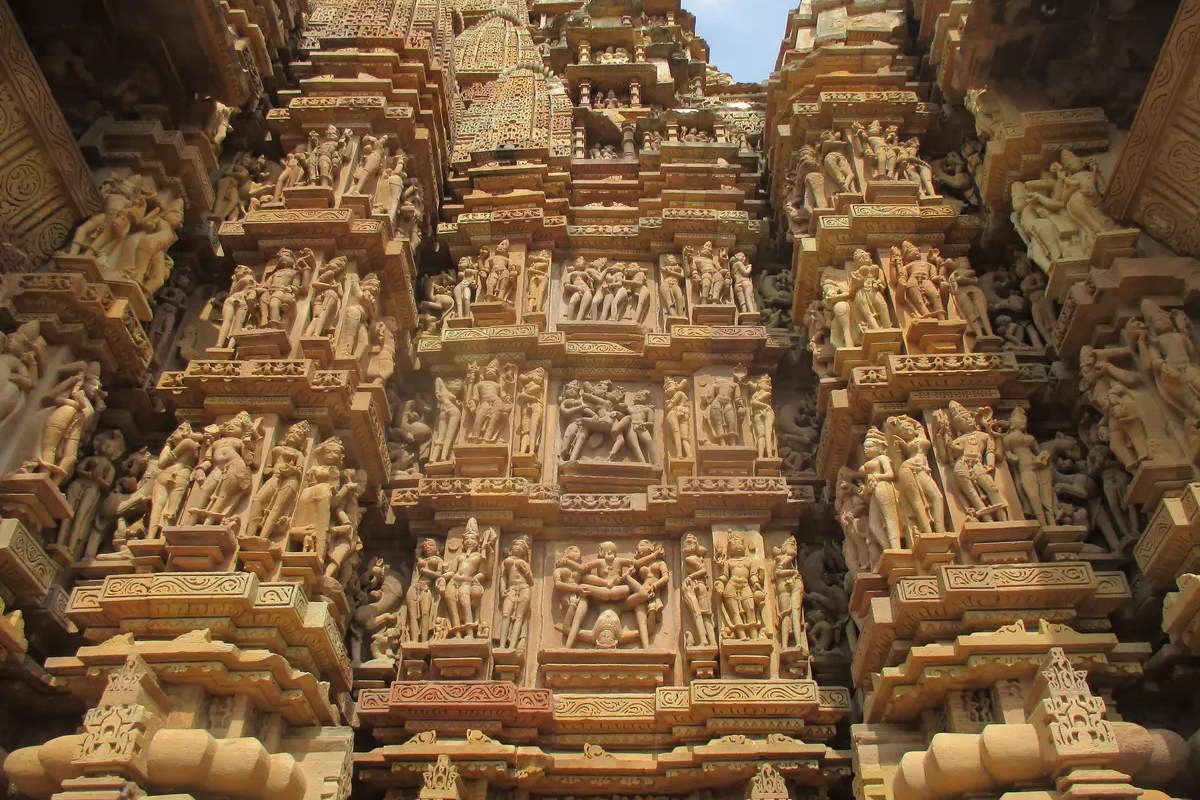
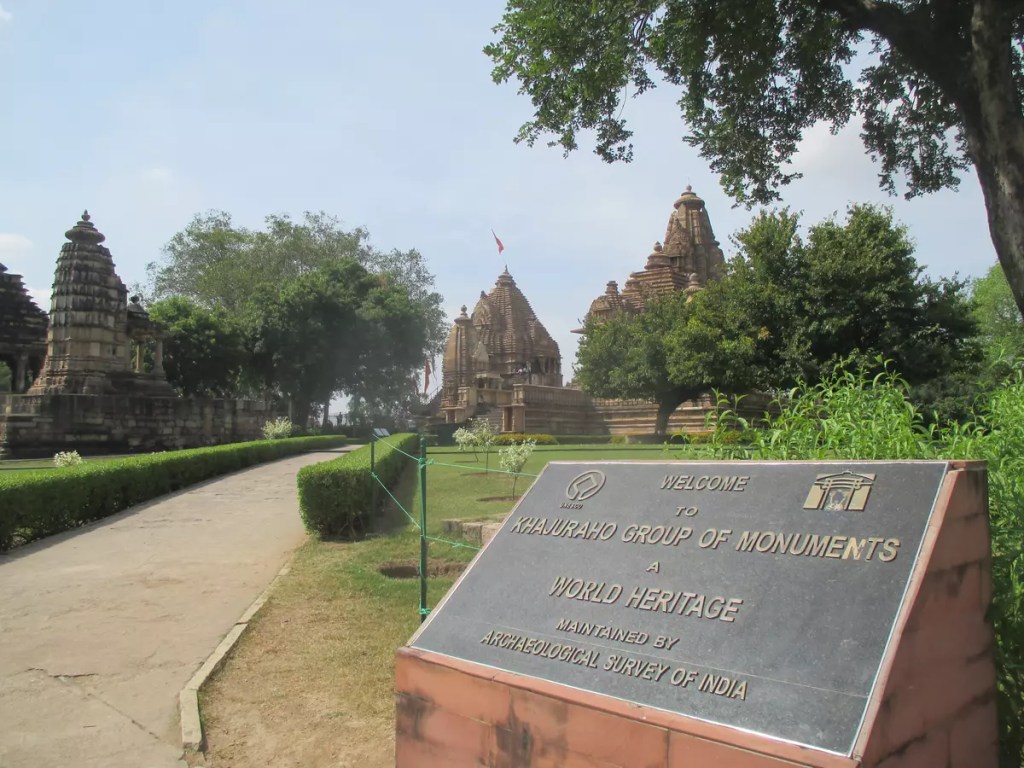
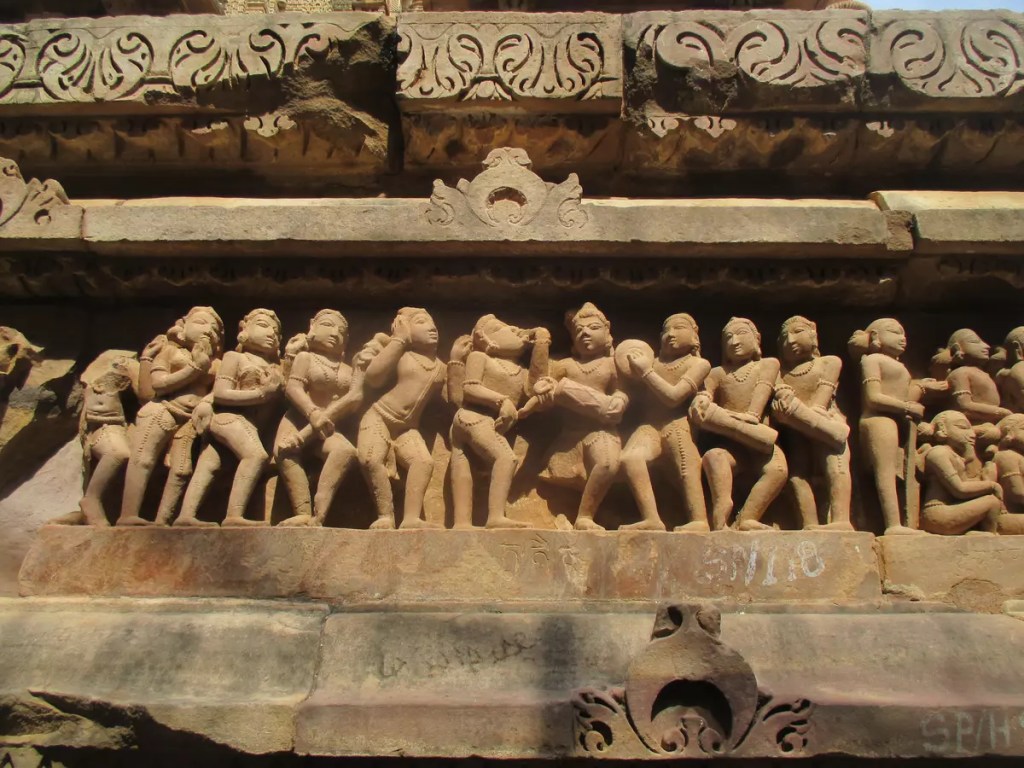
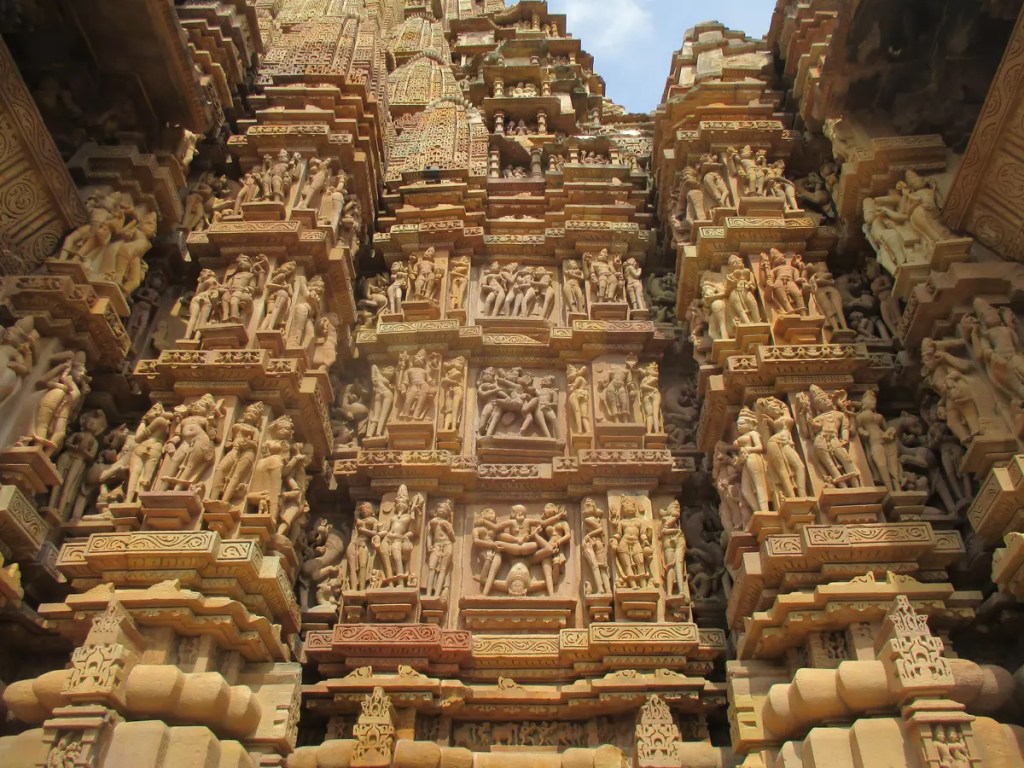
As of today, Khajuraho is well known for its ancient temples and erotic sculptures. Set within a dense forest of palm the group of temples were discovered by a British army engineer in 1830. Originally said to be 85 in total, only 22 have survived time. These temples were built between the 10th and 12th Centuries by the Chandela dynasty. The temples are dedicated to Hinduism and Jainism and have been divided into three groups: Western group, Eastern group and Southern group of temples. They are a part of the UNESCO World Heritage site.

The western group of temples is the centre of all activities for tourists visiting Khajuraho. I got settled in a hotel at walking distance from the temple. Booking via GoIbibo gave me an instant discount of around 50% — a win-win situation.

It was almost 10 am when I set out to explore the town. Since it was Diwali people from nearby Villages had come in large to celebrate. They held amazing folk dances songs and acrobatic performances on the street. To be mentioned here the roads near the Western group of temples are a traffic-restricted Zone. Click here to see the video of the street performances that I shot there.

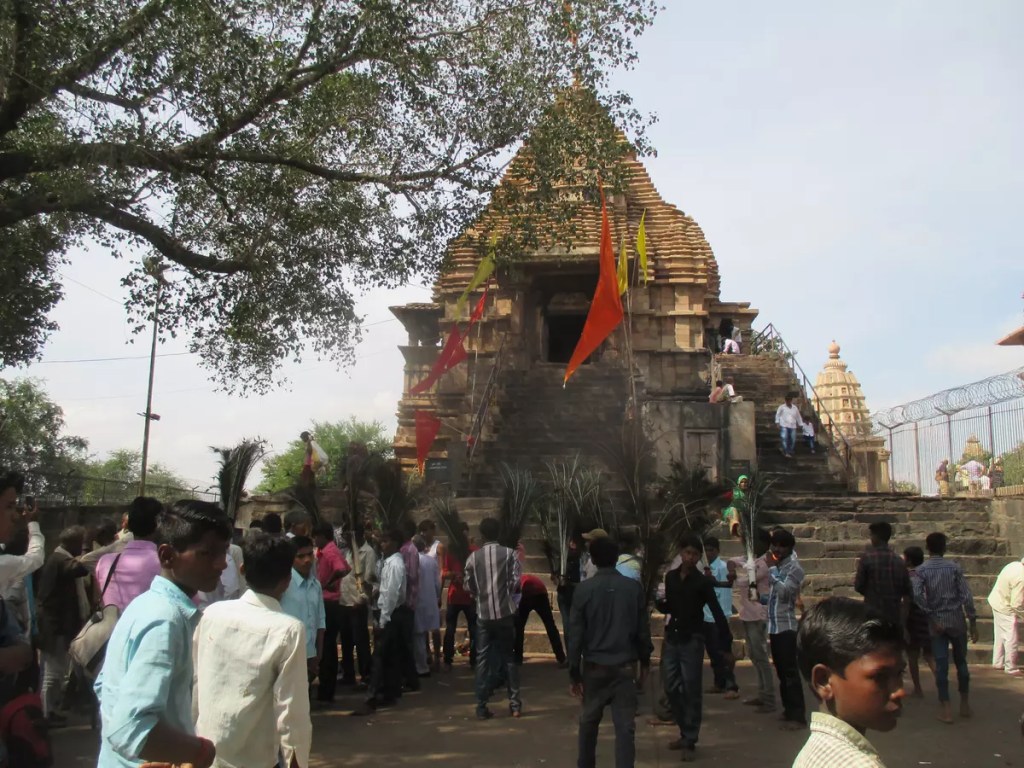
My first destination on the list was Matangeswar Mahadev Temple. Contrary to most temples here, this is still a living place of worship. The temple is a part of the Western group of temples but is outside the enclosed area. The temple is dedicated to Lord Shiva and has an 8-foot-high lingam; the highest I have seen to date.

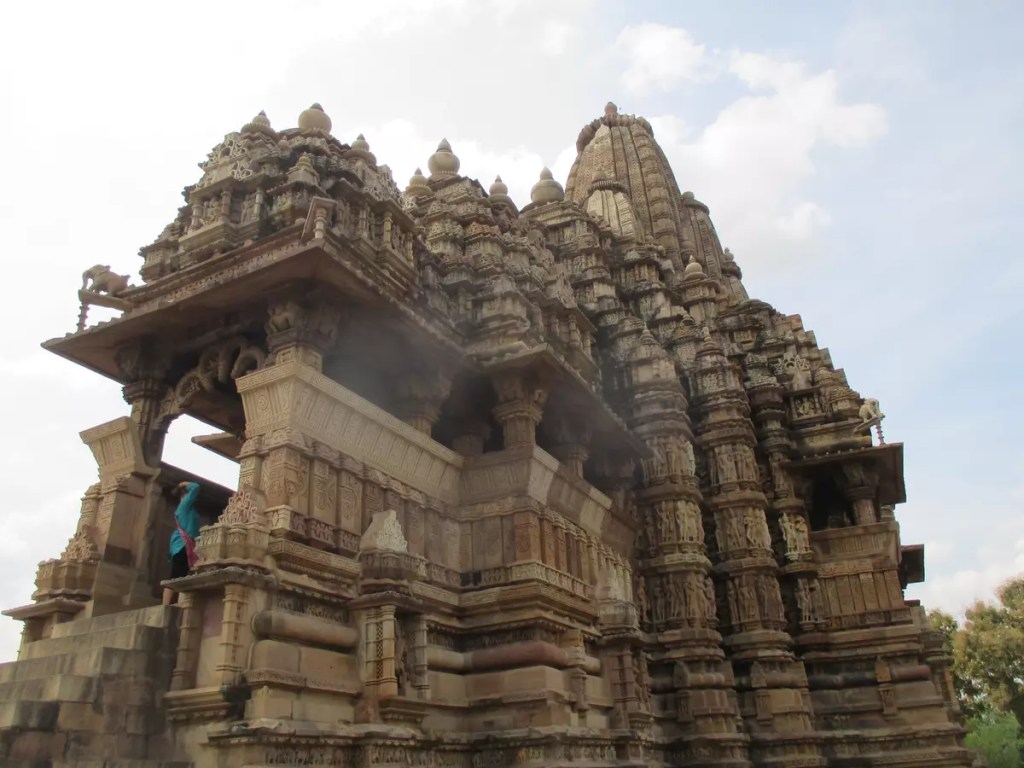
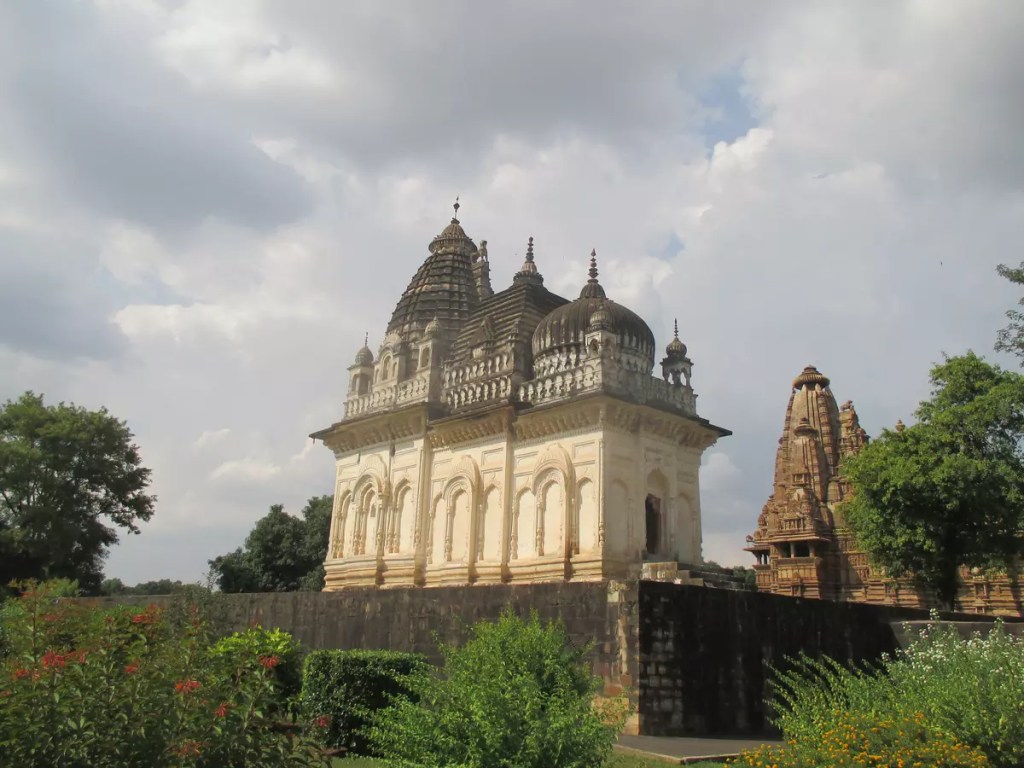
From here I went into the enclosed area of the Western Group of Temples. This is a ticketed premise maintained by the Archaeological Survey of India. There are eight temples within the complex spread over a well-maintained lawn. A guided path takes one to each of these temples. The first temple I encountered going through the left was the Varaha Temple dedicated to the Boar incarnation of Lord Vishnu. The body of the Boar statue is sculpted with numerous small figures. The Lakshmana temple is dedicated to the four-headed aspect of Lord Vishnu — Vaikuntha Chaturmurti. The Kandaria Mahadev Temple is the largest and the most ornate among the temples here. The chief deity of the temple is Shiva. On the same platform as Kandaria Mahadev Temple is the Devi Jagdambi Temple. Similar in architecture to the Devi Jagdambi Temple, Chitragupt Temple is dedicated to the Sun God — Surya. The next temple is dedicated to Shiva who is also known as Lord Vishwanath or “Lord of the Universe”. Facing the temple is Nandi Mandap with an idol of the Bull Nandi.

It was late afternoon when I completed the tour of the Western Group of Temples. Next, I headed to the State Museum of Tribal and Folk Art located around a kilometer from the Western Group of Temples. This place has a fine collection of tribal and folk arts and artefacts from across the state. A very few number of tourists are aware of and visit this place.

Light and Sound show is organised every evening on the lawns of the Western Group of Temples. The show takes one back to the times of the Chandela kings when the temples were first constructed. Spoiler alert: The voice-over has been done by the legend with the legendary voice Amitabh Bachan.

Later that night before settling down I went to have dinner at one of the popular restaurants in the town of Marwadi Bhojanalaya. The place, located near Shivsagar Lake is frequented mostly by tourists looking for some authentic Indian food.

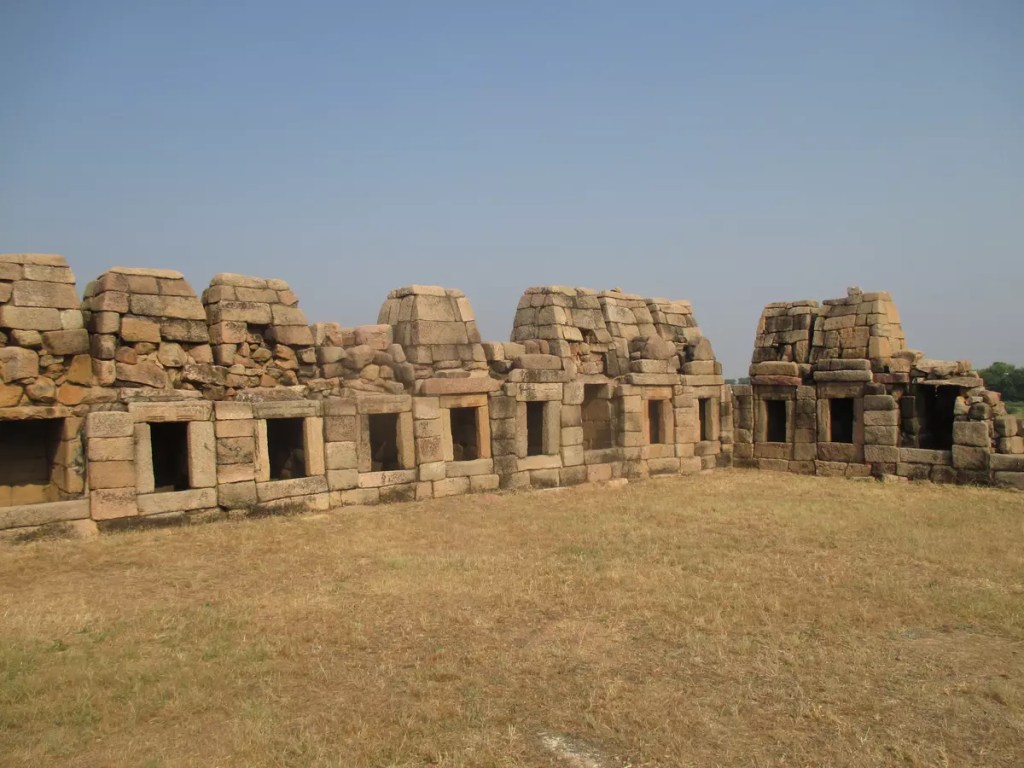
The next day the turn was to visit the remaining temples. Though it is advised to take an auto or two-wheeler; I decided to the contrary and find my walk through these temples. I checked out of the hotel by 8 am and headed towards Chausath Yogini temple located behind the Shivsagar lake. This is among one of the oldest temples in Khajuraho and is dedicated to the 64 yoginis or the manifestation of the Mother Goddess Shakti. Set in an open courtyard the temple is composed of 64 small temples that are said to once contain idols of the 64 yoginis. As told by a watchman, due to the neglect over the years to the temple the idols relocated to Bhedaghat in the current Jabalpur district along the bank of river Narmada.

After this, I headed east towards the Brahma temple, a walk of 2 km from Chausath Yogini temple along the Jain Mandir road. This is a relatively small temple with minimum decoration and houses a four-faced lingam hence the name.

Around 400 m northward are the Vamana and Javari temples. Both Vamana and Javari Temples are dedicated to Lord Vishnu. Vamana Temple houses the Vamana avatar of the Lord.

From Javari temple making way through small alleys, I reached next to Ghantai temple which is a ruined Jain Temple dedicated to the Jain spiritual teacher Adinath.

The main cluster of the Jain group of temples formed by the Parsavanatha Temple, Adinatha Temple and Shantinatha Temple is another 500 m towards the east. The Parsavanatha Temple is dedicated to Parsavanatha. The entrance to this temple has an inscription of the most perfect magic square. As like the Ghantai Temple, this temple is also dedicated to the Jain spiritual teacher Adinath. The Shantinatha Temple is dedicated to Shantinath, another spiritual teacher in Jainism.

Dulhadeo Temple, the first in the list of Southern Group is around 1 km south on the banks of Khudar River.

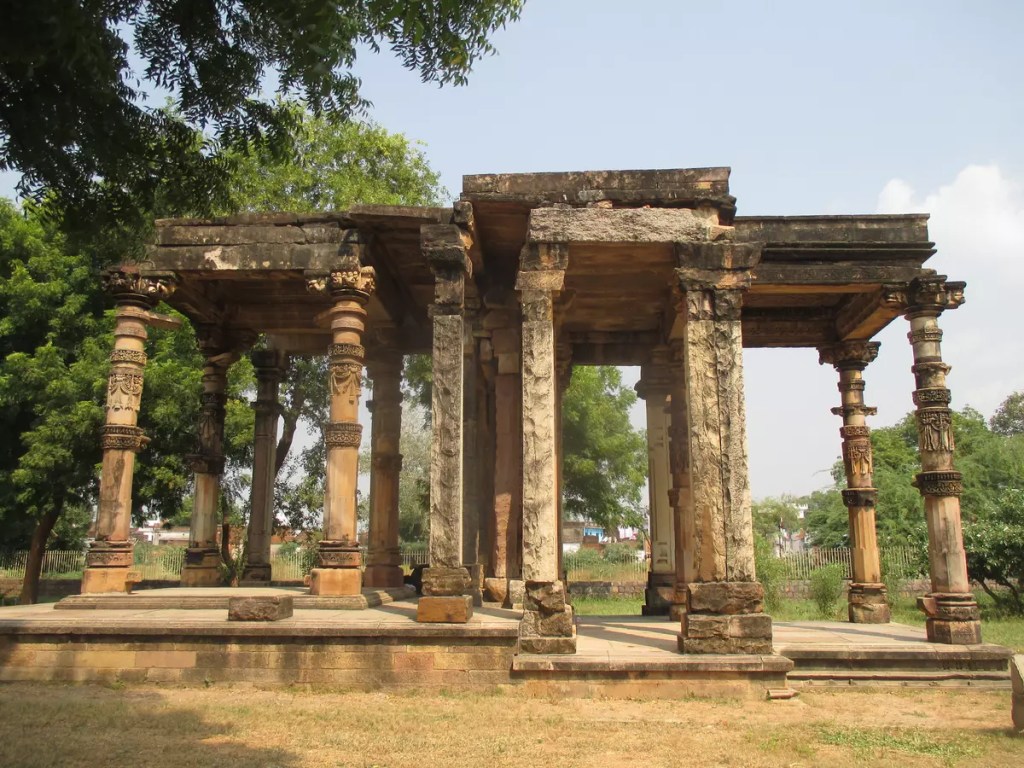
Continuing along the road further south to the village of Jatkara where asking any local will guide you towards a farmland across which the Beeja Mandal Temple ruins stand.

From here facing south I could see Charturbhuj Temple, the last in my itinerary. The watchman there guided me a shortcut through the field track to the temple.

So my walk through the temples ended near sunset. I walked a bit more to reach Bamitha Road near the airport. My return journey started with an auto to Bamitha, then by bus to Satna and a final over-crowded general coach train ride to Allahabad.

For more pictures from my trip to Khajuraho, visit my Instagram profile and follow the hashtag #ag1805x_in_Khajuraho. The story was also published on Tripoto.
Planning your trip to the Scotland of the East

Fact check:
Location: Shillong
State: Meghalaya
Country: India
Altitude: 1525m

Reaching there

For the people coming from the rest of India and other countries, Guwahati in Assam will act as the hub. Guwahati (Maligaon) is the headquarters of the Northern Frontier Railway zone of the Indian Railway. The Guwahati (GHY) and Kamakhya (KYQ) railway stations have trains to most major cities in India. The city has Lokpriya Gopinath Bordoloi International Airport (GAU) to cater to the tourists preferring airways. Buses are available from several places in West Bengal and Bihar to Inter State Bus Terminus (ISBT) in the city.
Guwahati not only serves as a hub for visiting Shillong but all the seven sister states of North East India. The four-lane Guwahati-Shillong Road (GS road) or NH-6 connects the two cities. TATA Sumo and buses ply at frequent intervals from Paltan Bazar. From here one can also hire taxis for Shillong. The first thing that welcomes you to Shillong is the majestic Umiam Lake. It was created by damming the Umiam River in the early 1960s. Apart from the scenic beauty, this place offers water sports facilities to enthusiasts.

Stay

Hotels of every budget range are available in the city. Homestays at Sohra, Mawlynnong and other adjoining areas can give a first-hand experience of the life of the locals.

The plan

Day 1: Start your trip by exploring the places within the city limits.

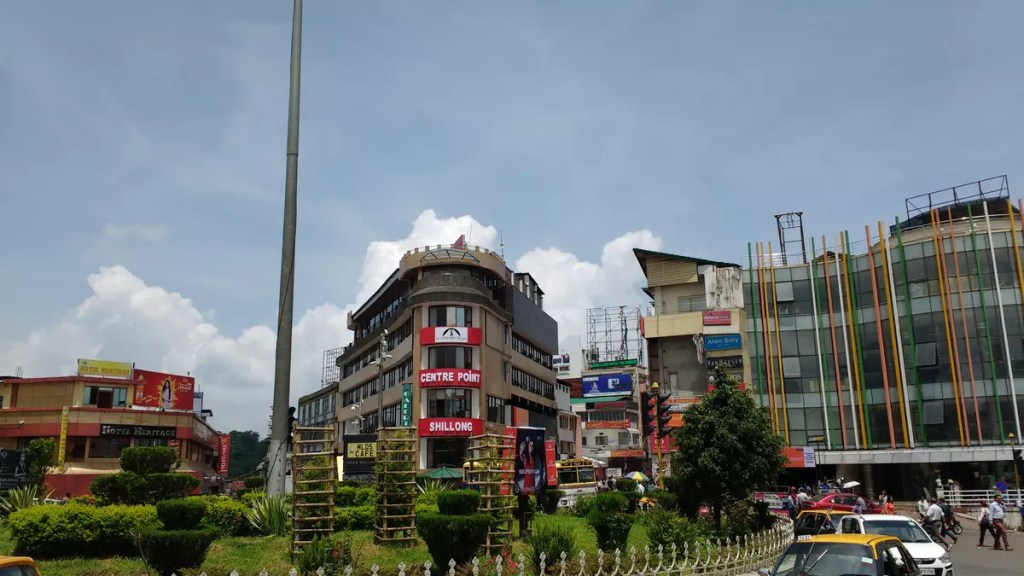
Khyndailad or Police Bazar is considered the centre point of the city and this is where the exploration starts. Tourist cabs and busses can be availed from this point. The place is also a popular shopping destination and hangout for the locals. Several governmental establishments are set up in and around PB.

The first spot on the bucket list, Capt. William Sangma State Museum is a government museum that offers insight into the lifestyle of the people of the state. It is considered one of the centres for studies into the history and culture of the state.

From here you can head to Lady Hydari Park. It is a well-manicured garden with a mini zoo cum deer park attached to it.

Crinoline Falls is a cool spot within the city limits located near the park.

The Cathedral of Mary Help of Christians at Laitumkhra locality is one of the most picturesque churches in the city.

Day 2: Further exploring the city.

The Don Bosco Centre for Indigenous Cultures is a centre that focuses on the rich cultural heritage of North East India. It offers a unique fusion of all sister states under one roof.

Shillong is also home to the only known museum in India dedicated to moths and butterflies. The Butterfly Museum is located about 2 km from Police Bazar.

Nestled within tall and elegant whispering pines, the eighteen-hole Shillong Golf Course is one of the finest golf courses in the world.

Ward’s Lake near Police Bazar with a boating facility offers a serene place to relax in the evening.

Day 3: Road trip to Sohra.

56 Km from Shillong, Sohra or Cherrapunjee once held the record of having the highest rainfall in the world. The Meghalaya Tourism Department conducts bus tours for tourists daily. The bus tour can be booked in advance at their office at PB.

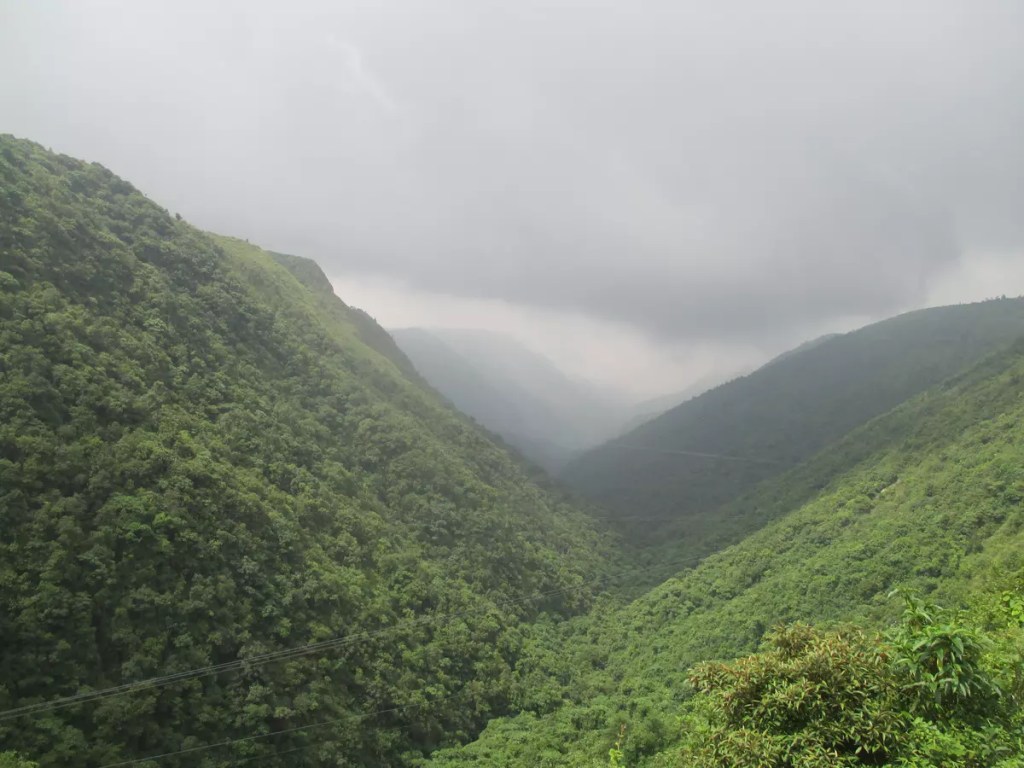
The first stopover of the trip is the Mawkdok Valley Viewpoint along the Duwan Singh Syiem Bridge. This is the entrance to the Sohra circuit. From here the landscape abruptly changes into picturesque deep gorges.

Mawsmai Nongthymai Eco Park built just above the Seven sister falls is the next spot on the list. As you stand on the viewpoint here, the waterfalls plunge deep down beside you. The entire waterfall can be viewed from another point while driving along the road.

The state of Meghalaya is home to some of the world’s longest caves. As of 2015, 1580 caves have been identified in the state. Mawsmai Caves have the distinction of being the only caves in Meghalaya that are lit enough to enable tourists to enjoy the natural formations in awe. Though the caves are long only a distance of 150 m is open for tourists.

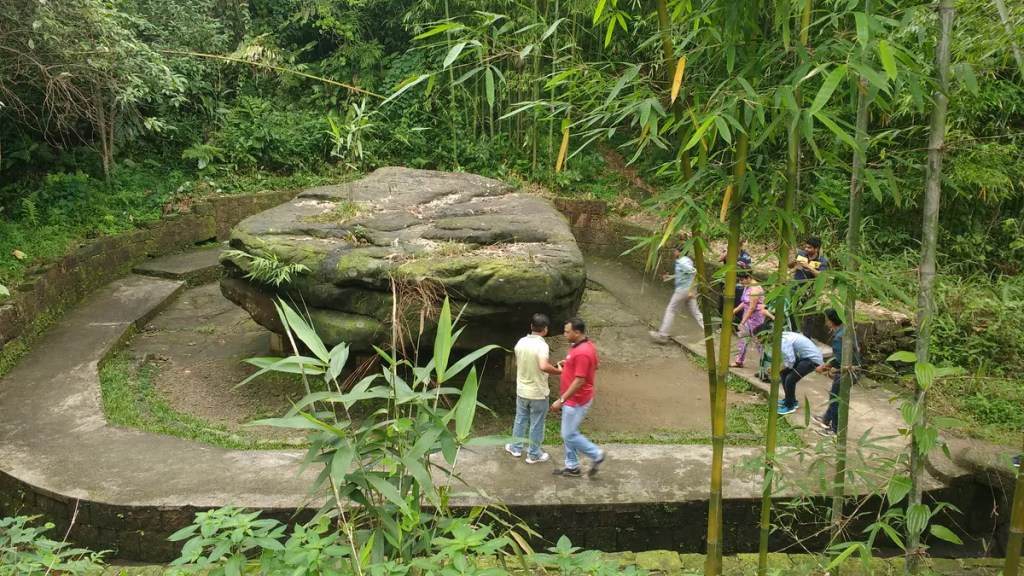
Mothrop Rock or Khoh Ramhah is another major tourist attraction in the circuit. The impressive rock formation is in the shape of a giant cone. Legends have it that the stone is a fossilised cone-shaped basket of an evil spirit. However, the beauty of the place is enhanced by the flow of the stream through the rocks, which takes the shape of a rapid waterfall when seen from behind.

Thangkarang Park laid on the rocky cliffs offers a panoramic view of the plains of Bangladesh. One can also see the Kynrem Falls cascading down majestically in three stages. The park is home to several endemic plants of the region.

The Ramakrishna Mission is an important landmark overlooking the hills of Cherrapunjee. Apart from the temple, the institution houses a school and a tribal museum.

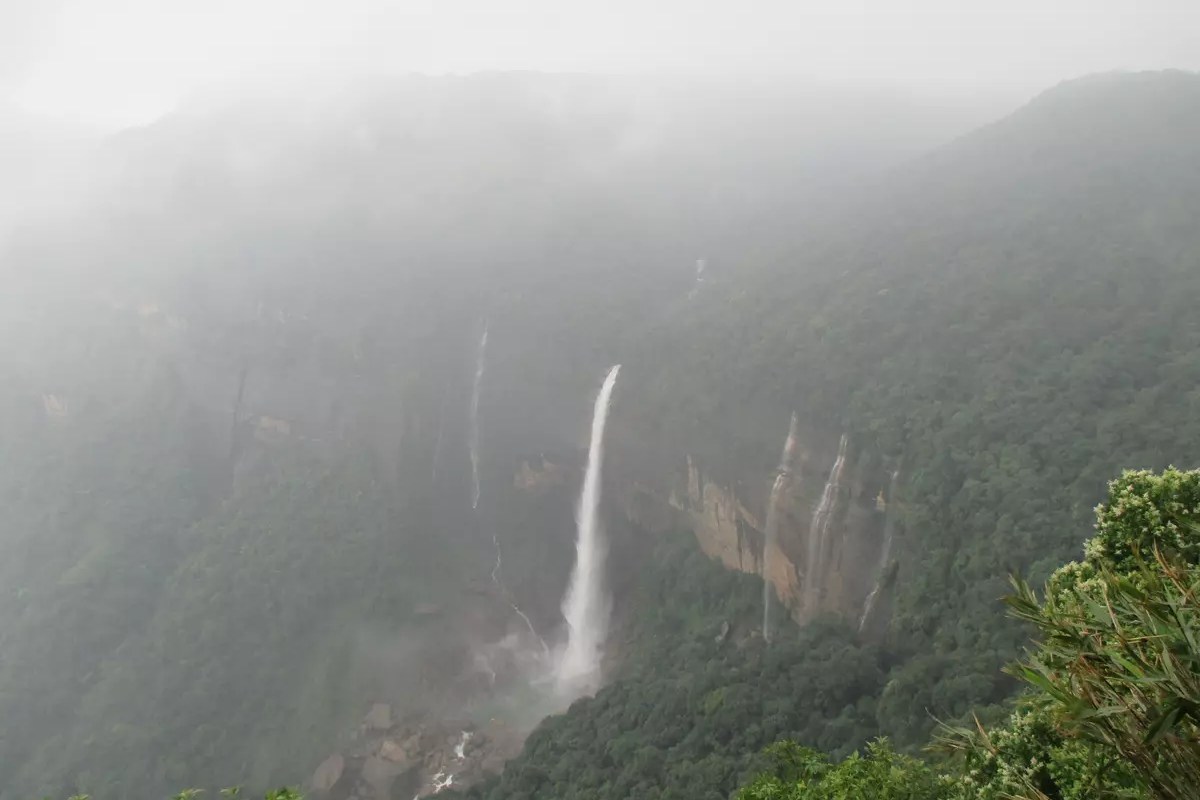
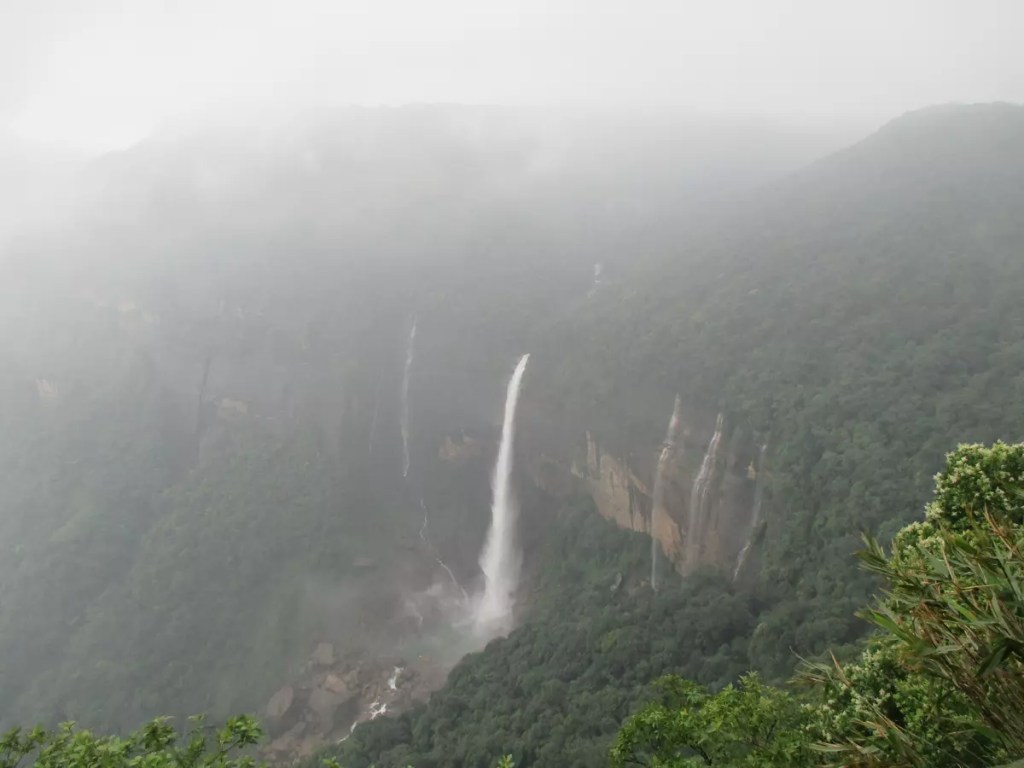
The NohKalikai Falls is a beautiful waterfall, cascading down from the top of the gorge to the mystic deep green pool below, reminding one of the tragic legend associated with it. This waterfall has the tallest plunge in India with a height of 1115 feet. Take a walk beyond the viewpoint and follow down the stairs to get a view of the waterfall from below.

Instead of returning to Shillong you may stay at Sohra and go for a trek to the Double Decker Living Root Bridge the next day.

Day 4: Living root bridge trek.

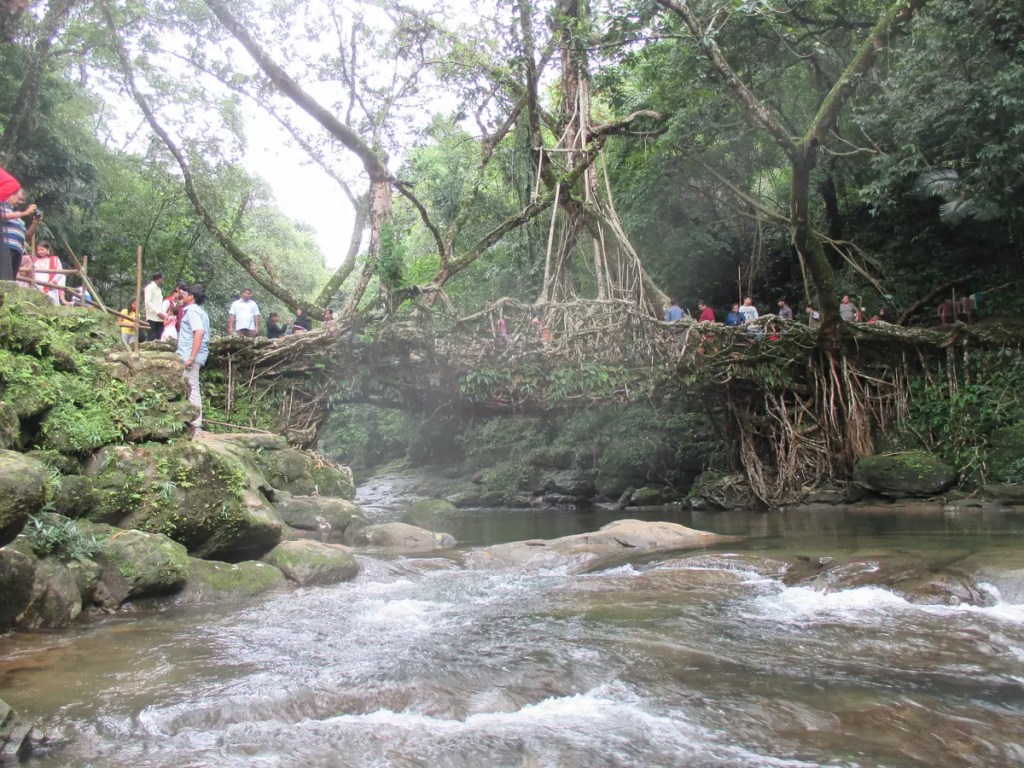
Living root bridges are a form of tree shaping common in the state of Meghalaya, especially in the Khasi and Jaintia hills region. The secondary roots of the rubber tree (Ficus elastic) are guided to grow across the river by using the hollow trunk of the betel nut tree. The bridge grows stronger with time as the roots become firmer. One of the popular living root bridges is at Nongriat near Cherrapunjee. This is a double-decker root bridge and requires a downhill trek of 2-3 three hours to reach the spot. Check out the India Hikes website for details about the trek.

Day 5: Visiting the cleanest village in Asia.

Much before the Government of India started Swachh Bharat Abhiyan this small village of Mawlynnong was bestowed the title of Asia’s Cleanest Village in 2003 by Discover India Magazine. This magical village offers a wonderful view of the plains of Bangladesh. A viewpoint atop a tree has also been constructed by the village council for the tourists.

The conducted tour by the Meghalaya Tourist Department that starts from Shillong covers several other spots en route. Kynroh Arliang viewpoint along the NH-40 provides a wonderful view of the canyon.

Riwai single root bridge requires much less effort to reach than the one at Sohra and is most frequented by tourists.

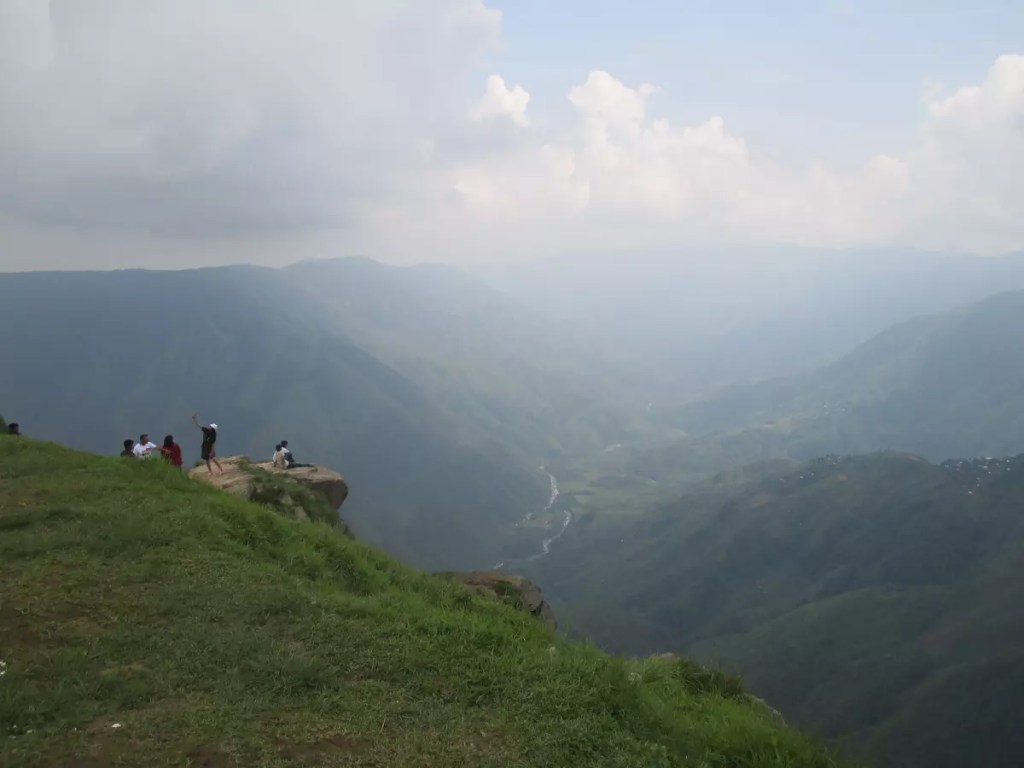
But the real magic of the place is when you cross the bridge, trek up the hill and reach the viewpoint in the village. Constructed and maintained on a private land there are two platforms – one that extends out of the hill while the other perched high on a tree, but both made of bamboo. A canyon formed by three hills opens to the plains of Bangladesh. Several waterfalls can be seen taking a silent plunge from the hills while a stream flows deep down in the gorge. This spot is not well known but has a marked trail.
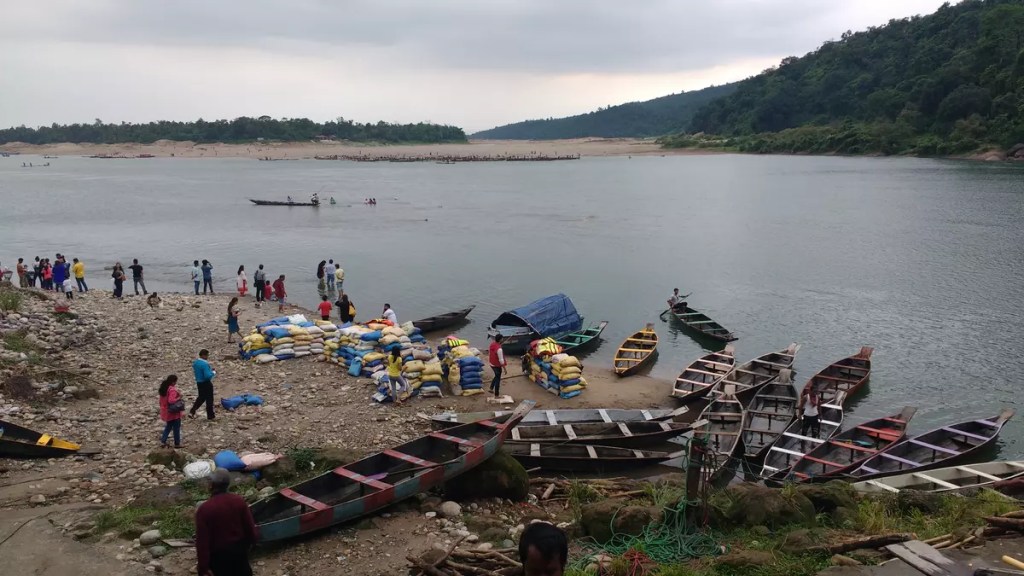
The last destination of the day’s trip is the Dawki border and river. The Dawki River is famous for its crystal-clear water. One can see the riverbed as you cruise along the river. At this spot, the river bounded towering hills on both sides entering the plains of Bangladesh.

On the way to Dawki, Bophill Falls is a popular spot among tourists.

Day 6: The wrap-up.

Head to the Shillong Peak viewpoint to get a bird’s eye view of the city of Shillong.

The Elephant Falls or the three steps waterfall is another majestic fall set in the dells of fern-covered rocks. A walk along the well-paved footpath can take you to two other small falls Wei Iaplam Falls and Wir Phang Falls.

The Laitlum Grand Canyon is virgin when compared to other tourist spots here. At Laitlum one can see breathtaking gorges and steep winding stairways that snake their way down to the lush valley. ‘End of hills’ as Laitlum translates, will make you fall in love with Meghalaya all over again.

The best time to visit

Throughout the year. Monsoon is the best time to see the waterfalls but there may be cloud cover. In winter the views may be good but the amount of water in the falls streamlines. Routes for trek may be slippery during monsoon.

References

End note

This is not an exhaustive list of places to visit in Shillong. A detailed list can be found on the official tourism website.

A day in Dhanushkodi

Dhanushkodi, located in the state of Tamil Nadu, is one of the officially declared ghost towns of India. The place lies at the southeastern tip of Pamban Island. The town was destroyed during the 1964 Rameswaram cyclone and remains uninhabited in the aftermath. An estimated 1,800 people died in the cyclonic storm on 22 December including 115 passengers on board the Pamban-Dhanushkodi passenger train. The entire town was marooned and the Government of Madras declared Dhanushkodi a Ghost town, unfit for living.

As of today, this ghost town has emerged as a popular tourist spot due to its connection with the great Indian epic Ramayana. Dhanushkodi marks the starting point of Adam’s Bridge or Rama Setu. The name Rama’s Bridge or Rama Setu refers to the bridge built by the Vanara sena of Rama which he used to reach Lanka and rescue his wife Sita from the Rakshasa king, Ravana. Rama setu may be just a mythical story but the presence of shallow land suggests the existence of a land connection between India and Sri Lanka.

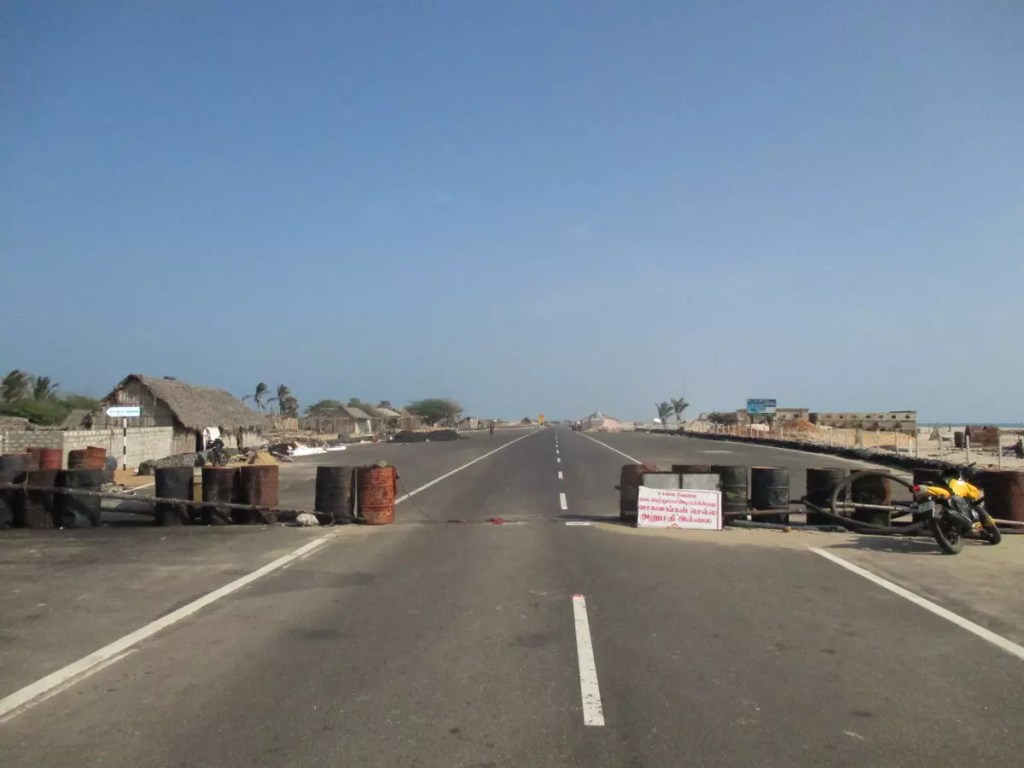
The nearest habitable town to Dhanushkodi is Rameswaram about 20 Kms away. Local buses operate at regular intervals to Dhanushkodi. Taxi on hire can also be easily found in the city to take a ride to Dhanushkodi. Since the road was destroyed in the fateful cyclone, vehicles are allowed to ply only till a police checkpoint From here the Dhanushkodi main town is 5 Km and another 5 Km to that is the last tip of the Pamban Island.

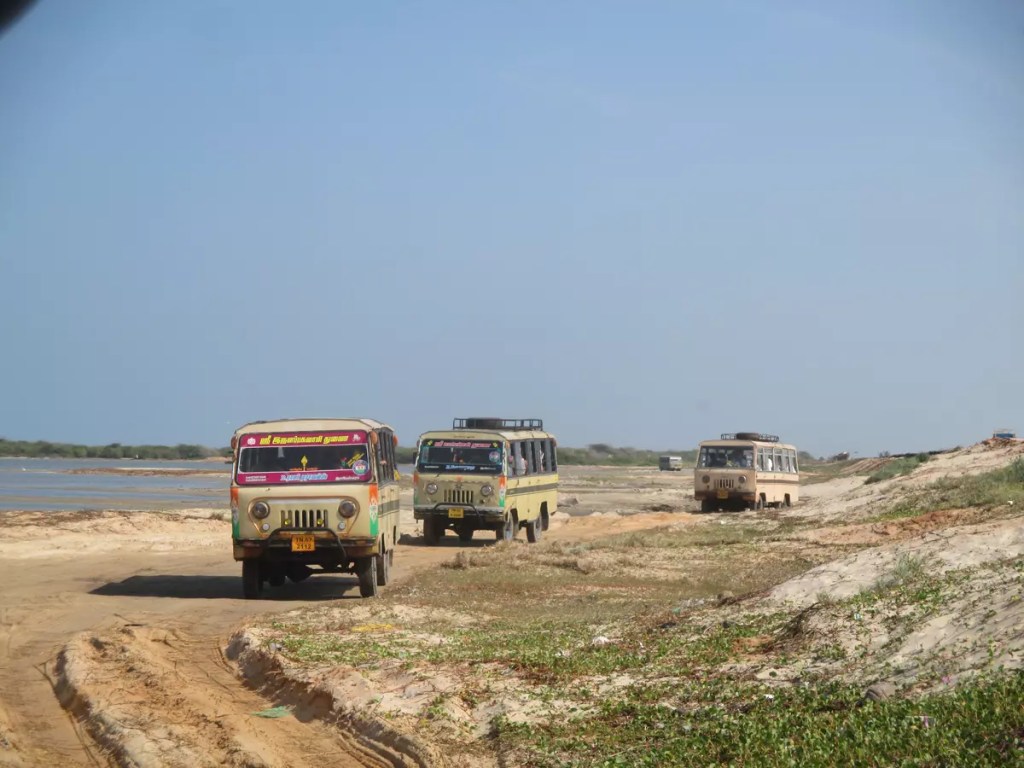
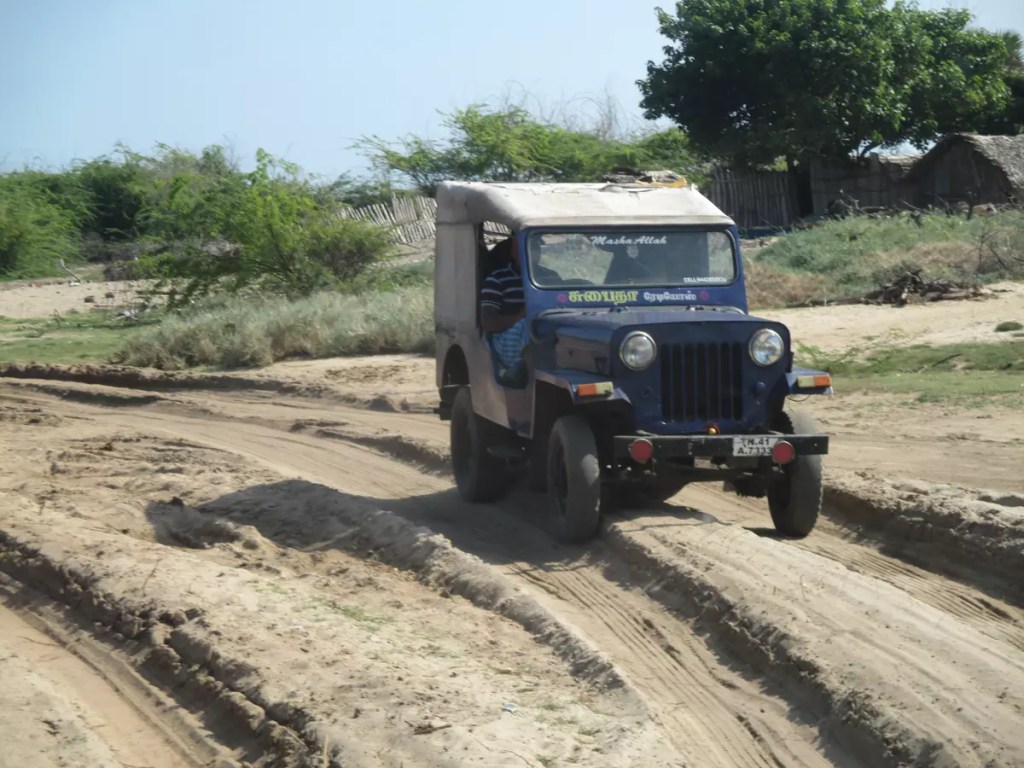
From the checkpoint, Mahindra Maxi cabs are available on share to cover the rest of the journey and this is where the dirt track of Dhanuskkodi is. This part of the island is extremely narrow and during high tides covers parts of the road. The track passes through the wet sand of Dhanushkodi. The Mahindra Maxi cabs are modified as 4 X 4 vehicles to cut through the wet sand. As per the vehicle owners, the cabs can serve only for 6 months in these conditions.

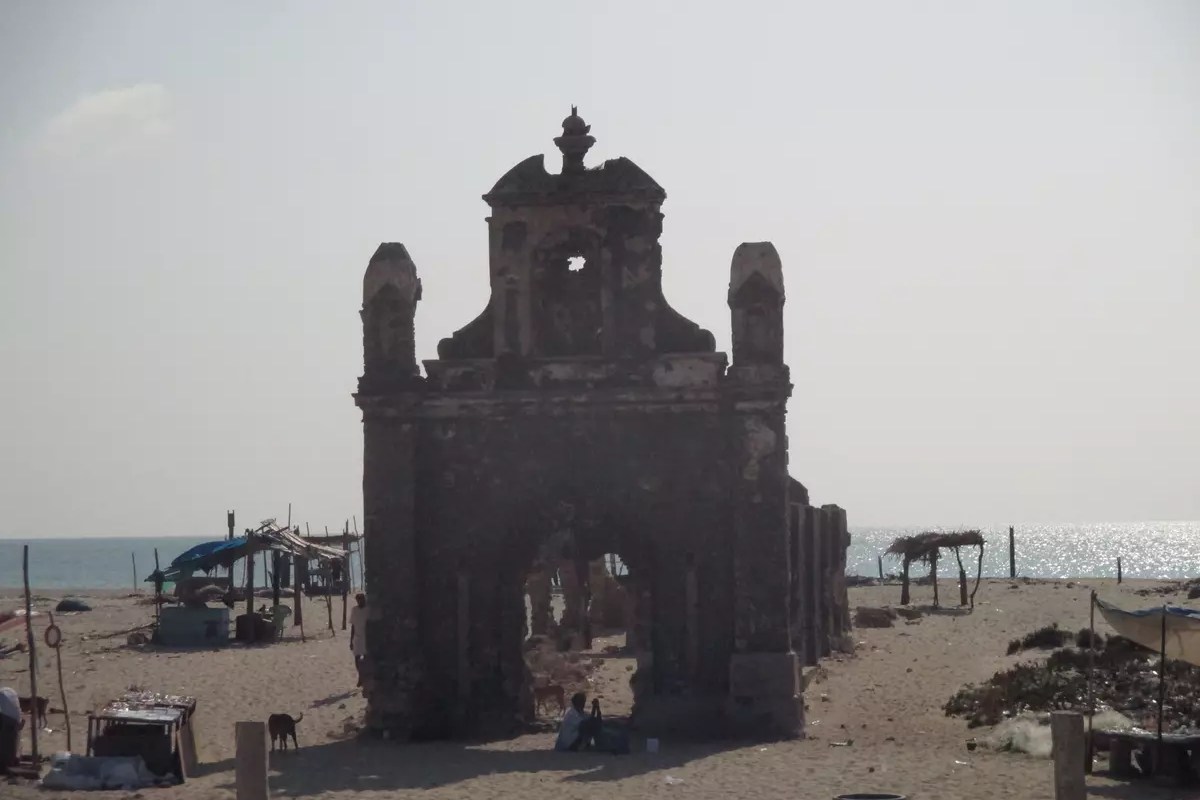
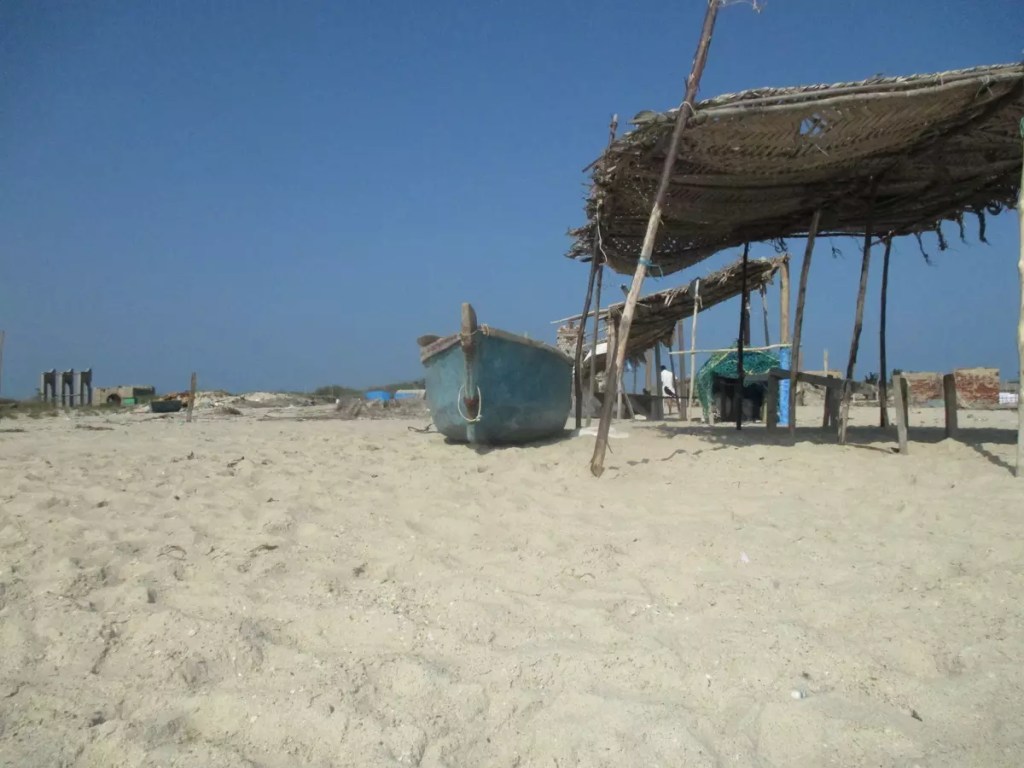
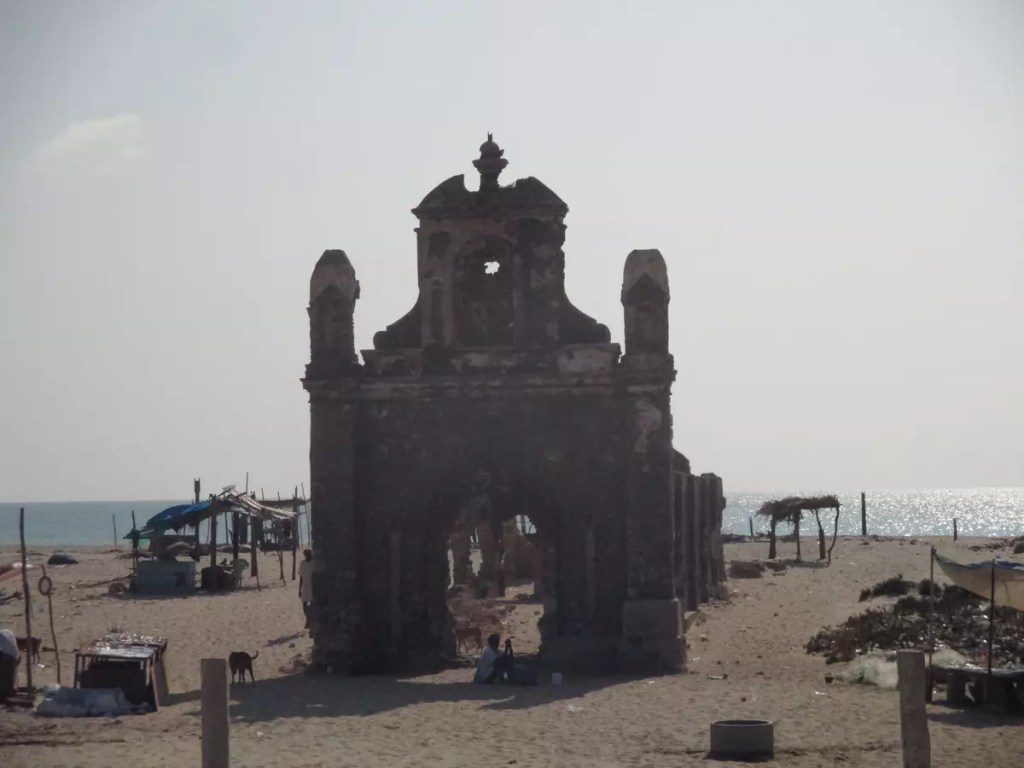
Covering the 5 Km distance can take up to 30 minutes. At Dhanushkodi one can see the remains of the old railway station, school, water tank and a few other buildings. A church on the shore may be the most recognisable structure in the erstwhile town. Due to the increased flow of tourists, small stalls selling snacks, sea shells etc have been set up by the locals.

As of January 2017, the National Highway 87 that connects the town was under restoration. It is expected to be completed by mid-2017. When completed one can take a wonderful ride to the tip of the island with blue sea on both sides of the road.

An Xtended weekend in Pondicherry

Pondicherry was on my cards ever since I settled down south here in Karaikudi. It was about 300km away but one year went by and it was still on the bucket list. September 2016. A three-day long weekend on Ganesh Chaturthi — I finally convinced myself of the trip.

2nd September 2016. Friday.

I boarded the Cape-Pondicherry Express from Karaikudi Junction at 7:40 pm. I had a waiting-list ticket which luckily had got confirmed to sleeper class (SL) upper berth.

Day 1. 3rd September 2016. Saturday.

Woke up at around 4:10am. The train was at halt at Villupuram Jn. Here the locomotive reverses its direction to pull away from the main route to Pondicherry. It was pitch dark but the Indian Railway vendors were already into business with their tea coffee.

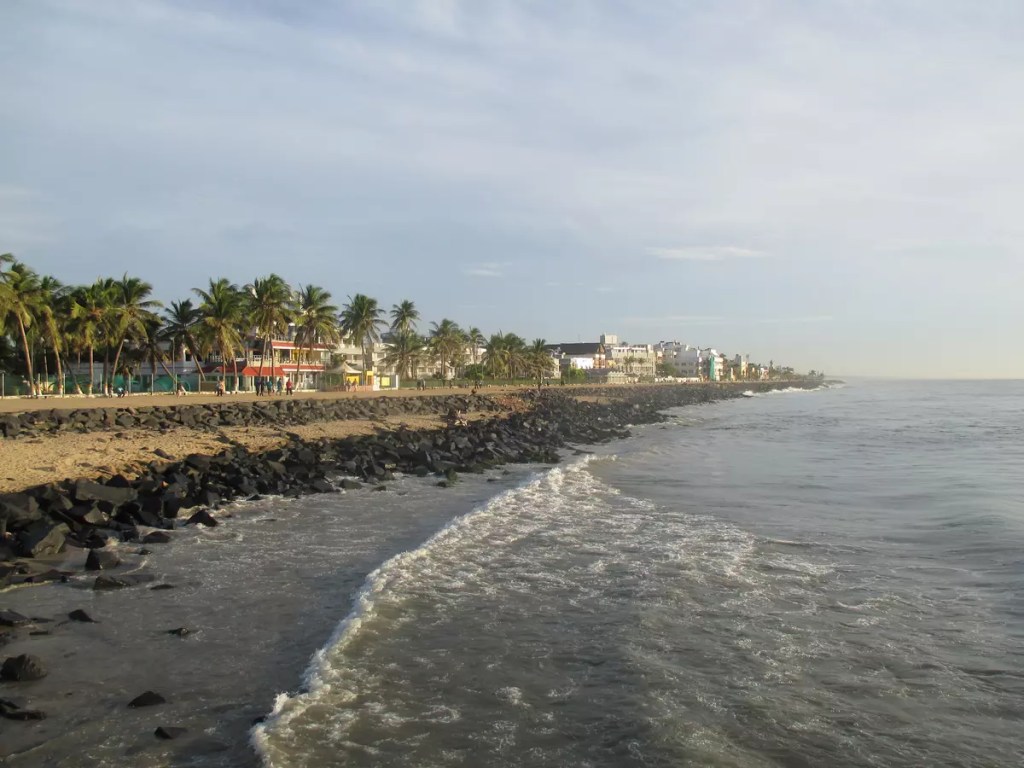
An hour more the train finally pulled into Puducherry station. I made it out of the station and headed to Rock Beach. As I walked the 700m distance I could hear the loud roaring of the waves and then the pitch-dark Bay of Bengal lay before me. The Goubert Avenue runs along the rock beach. No vehicles are allowed from dusk to dawn leaving it solely for pedestrians. The beach was pretty filled with early risers. I found a place to settle down at least till it was time for the guest houses to open.

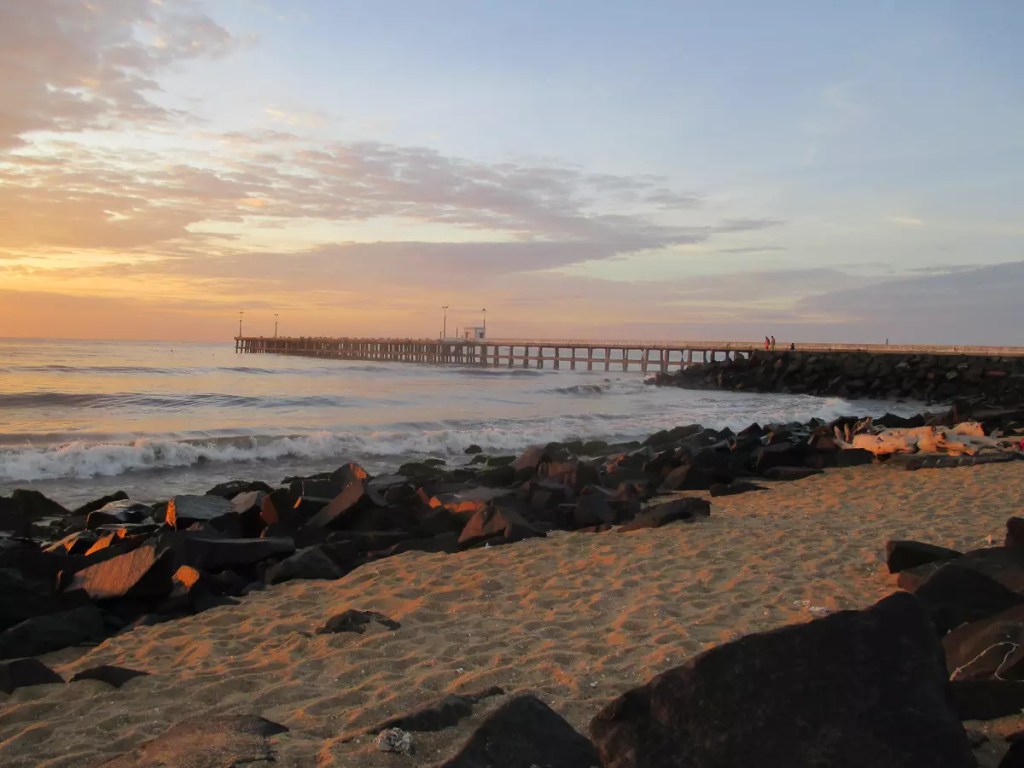
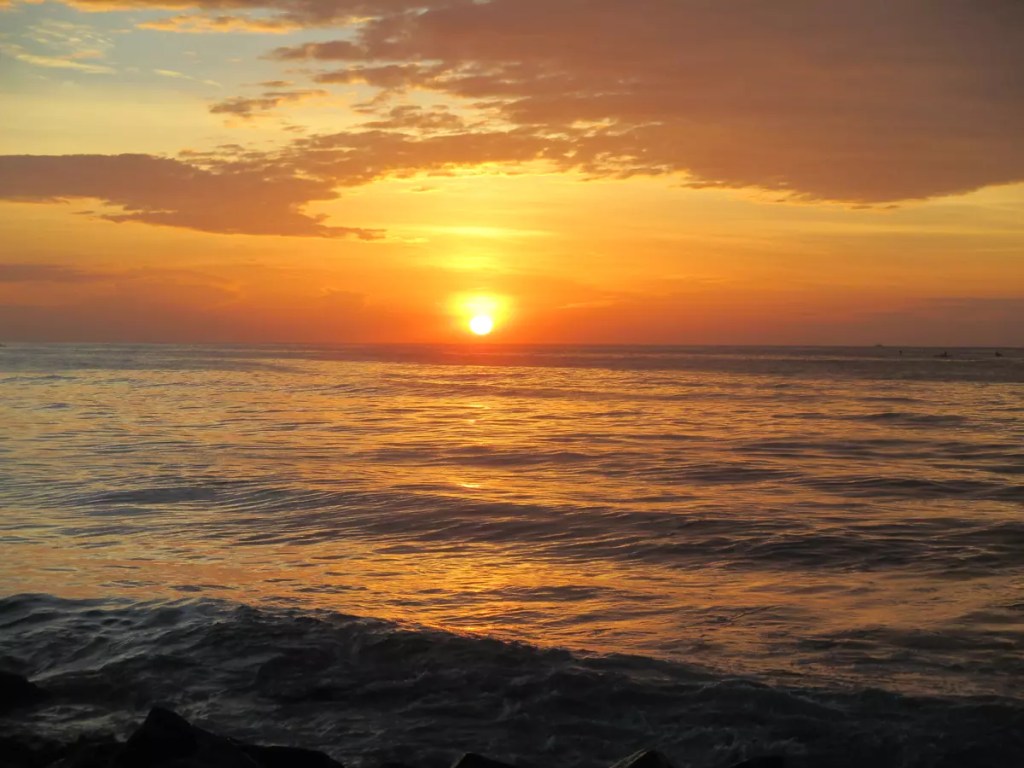
The view that started unfolding before me was something like straight out of a poem by Robert Frost or John Keats. Cool breezes were hitting me. The black sea slowly started turning blue as if an alchemy had been done. A few boats were in the sea and far on the horizon a patch of orange hue. Slowly it started to become brighter; filling the entire place with its vibrant energy. From Orange to yellow, it turned and the sky was clear blue. It took just a bit more than 2 minutes to declare it’s morning.

I took a walk to the famous Pondicherry bridge. Must it have been open one could take a walk far into the sea. But unfortunately, it has been closed to tourists.

I recharged myself with a cup of ginger tea and started my hunt for accommodation. The YHAI hostel was full for the extended weekend while the New Ashram guest house doesn’t provide a dormitory for one person. However, I was able to locate another dormitory at walking distance from the sea.

My first destination of the day was the tourist information centre on Goubert Avenue. The lady here generously explained to me about the layout of the city, the places to visit and the mode of transportation.

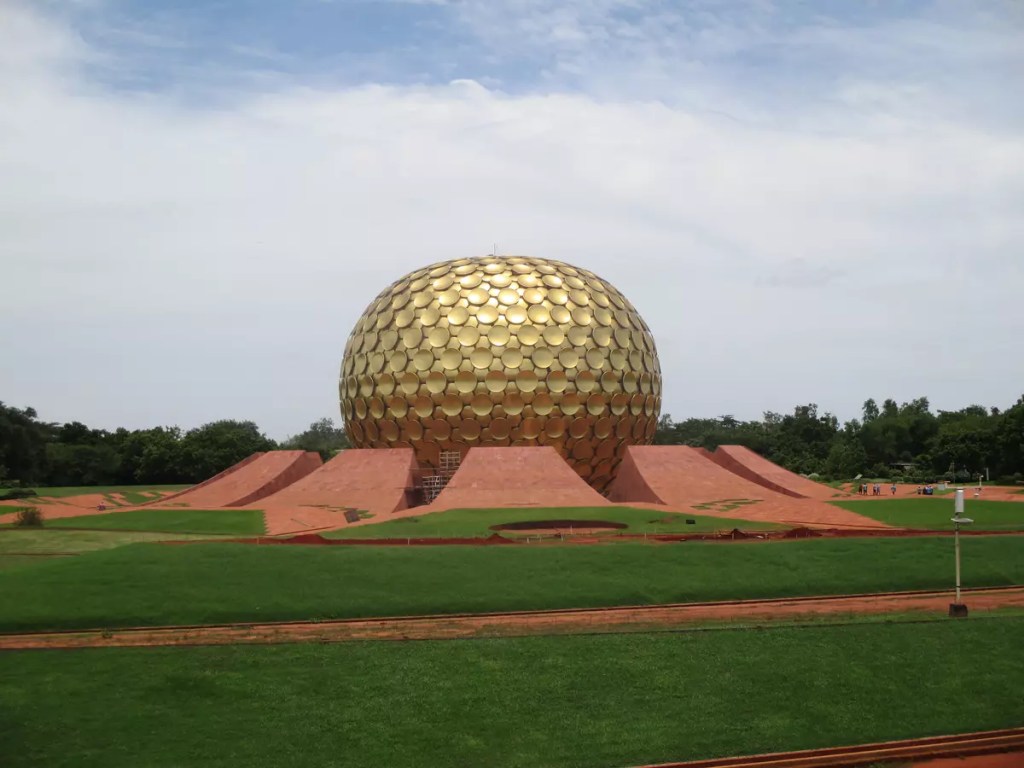
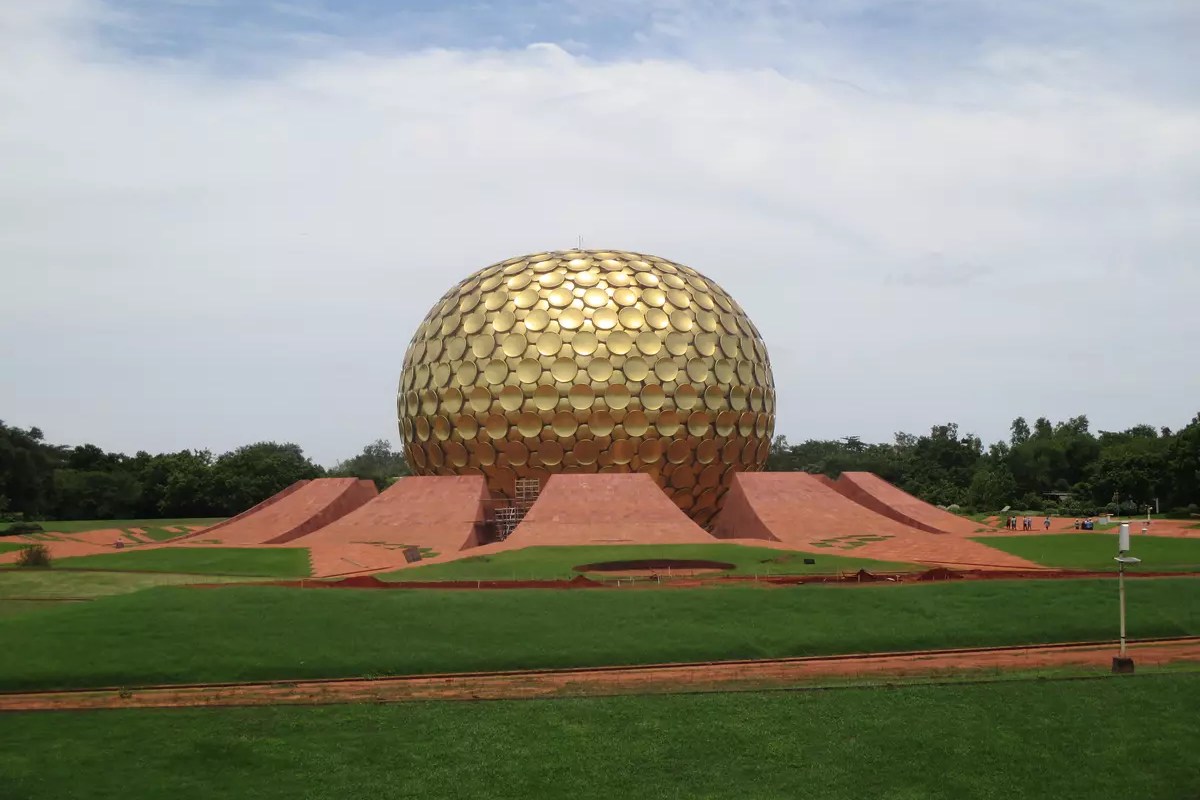
I decided to start my exploration by visiting the experimental town of Auroville, located about 14km North of the main city. I boarded a bus that ran along the East Coast road and disembarked at the Auroville bus stop. From here I had to continue in an auto to the visitor centre. Auroville is said to be an experimental town based on the principle of brotherhood. At the inauguration ceremony on 28th February 1968 representative of 124 countries and 23 Indian states placed a handful of earth from their homelands in a lotus-shaped urn at the centre of the future township, in a symbolic gesture of humanity. From being a barren plateau of largely red earth back then, Auroville has been transformed into a lush green landscape in which a city is progressively beginning to take shape, radiating out from its centre, the Matrimandir. Matrimandir is not a ‘tourist’ site; it is a place for individual silent concentration.

Visiting inside the Matrimandir requires a pass to be obtained in advance from the visitors centre. However, a daily pass is issued to view the structure from a viewpoint.

By the time I left Auroville, it was late afternoon. A friend joined me and on his advice, we headed to Rue Dupuy for a delicious full-course Bengali lunch complete with fish and sweets. The rest of the evening was spent lazing around the Rock beach.

Day 2. 4 September 2016. Sunday.

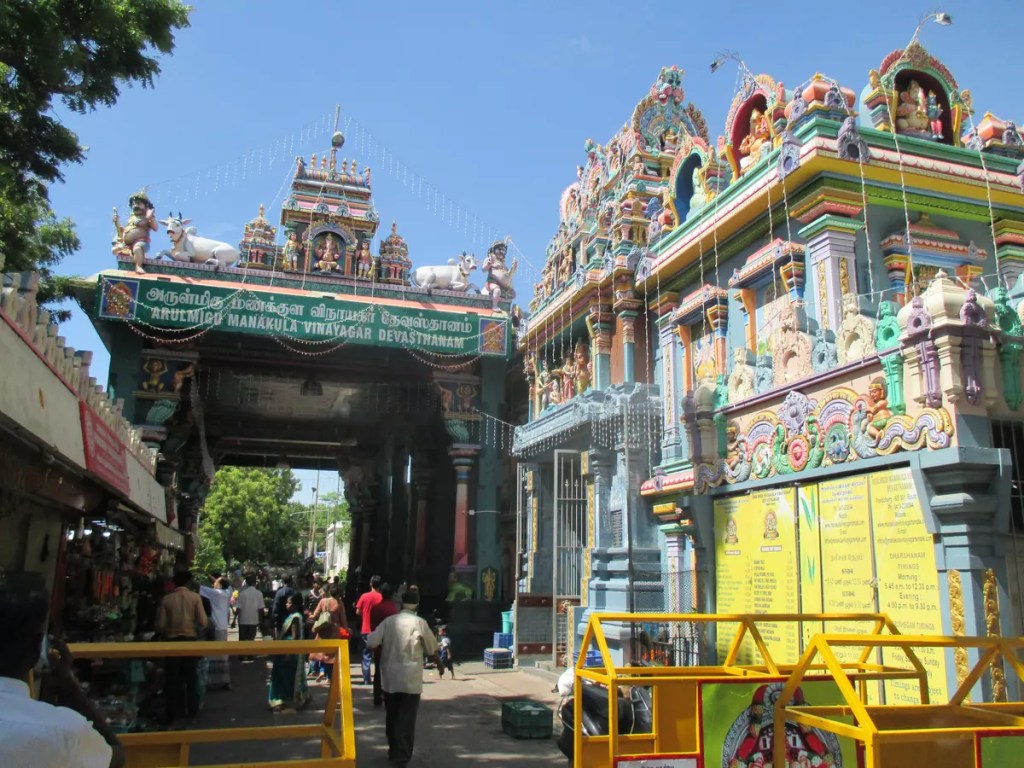
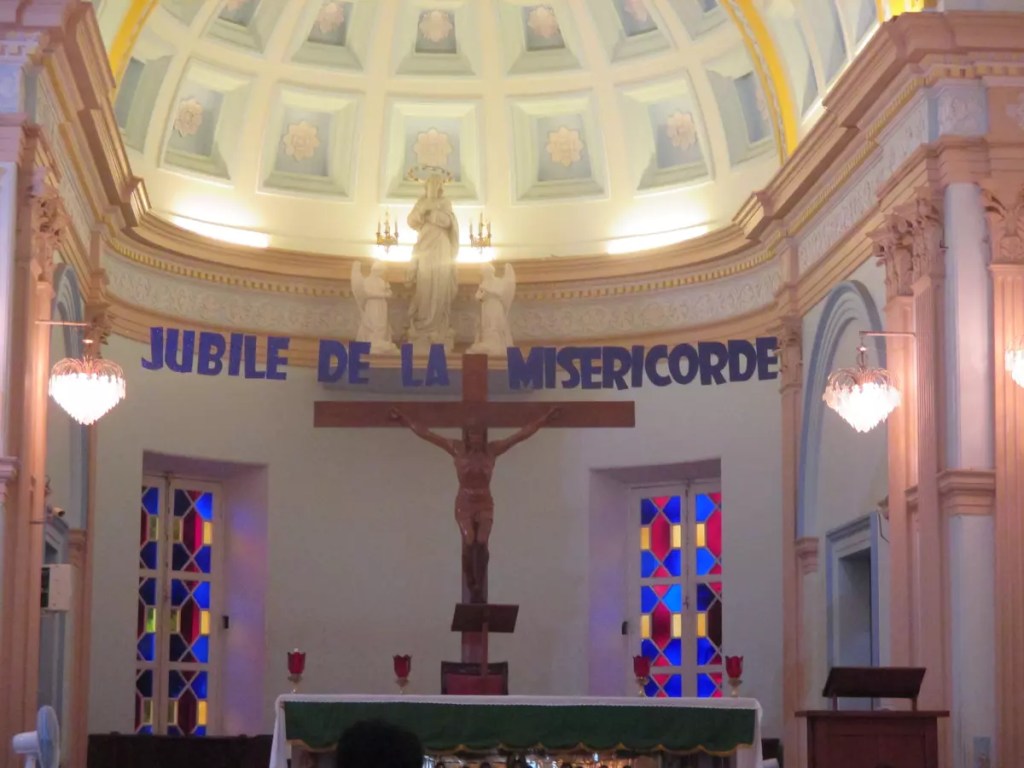
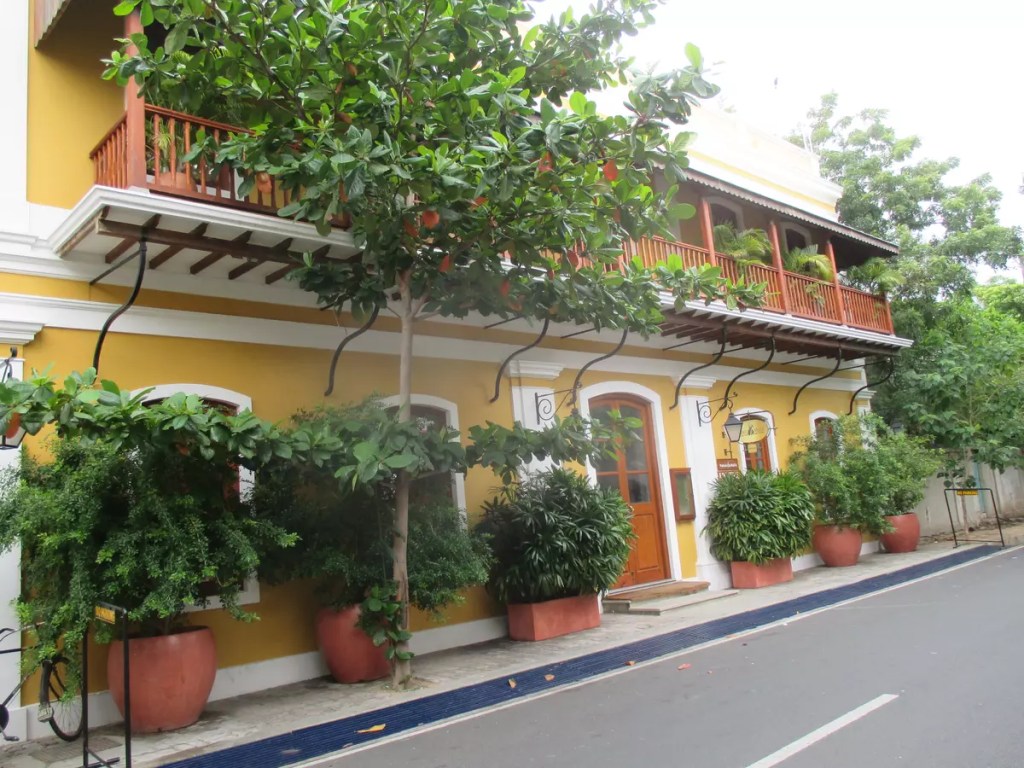
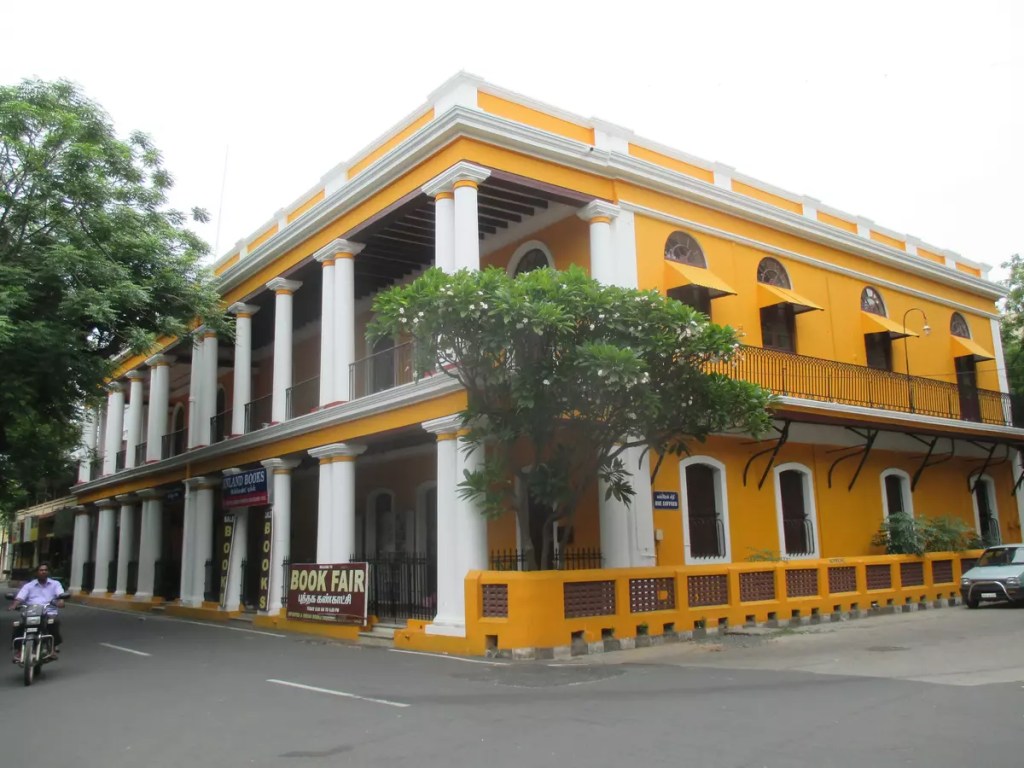
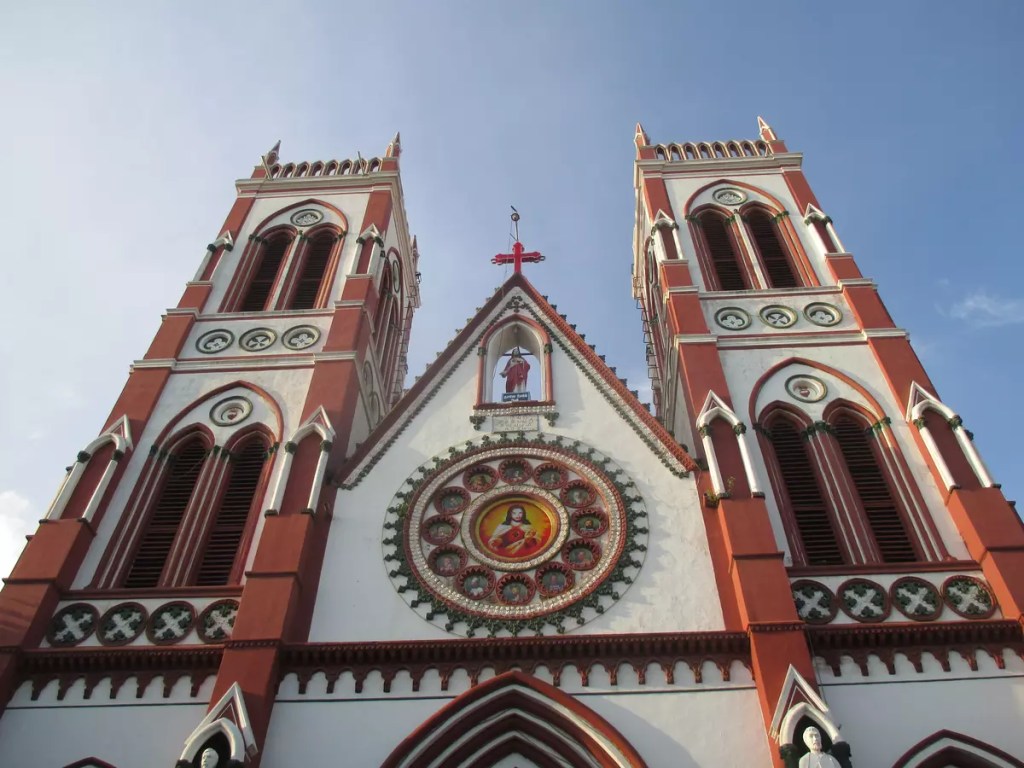
While scanning articles on Pondicherry I happened to get my hand on a map from INTACH about Heritage walks in Pondicherry. My day two was reserved to follow the trail and discover the city. I started at Notre Dame des Anges Church located near Rock Beach and passed through several other buildings like Alliance Française, Chamber of Commerce, Assembly, Manakkula Vinayaga Temple, Sri Aurobindo Ashram, museum, French Consulate and a few others. This trail covers the part of the town popularly called the White Town. It was/is this part where most French-style buildings can be found. You can find the trail map here. It is advisable to start the walk early to avoid the mid-day sun. It takes around two-three hours to complete the trail.
restaurant in the French Quarter

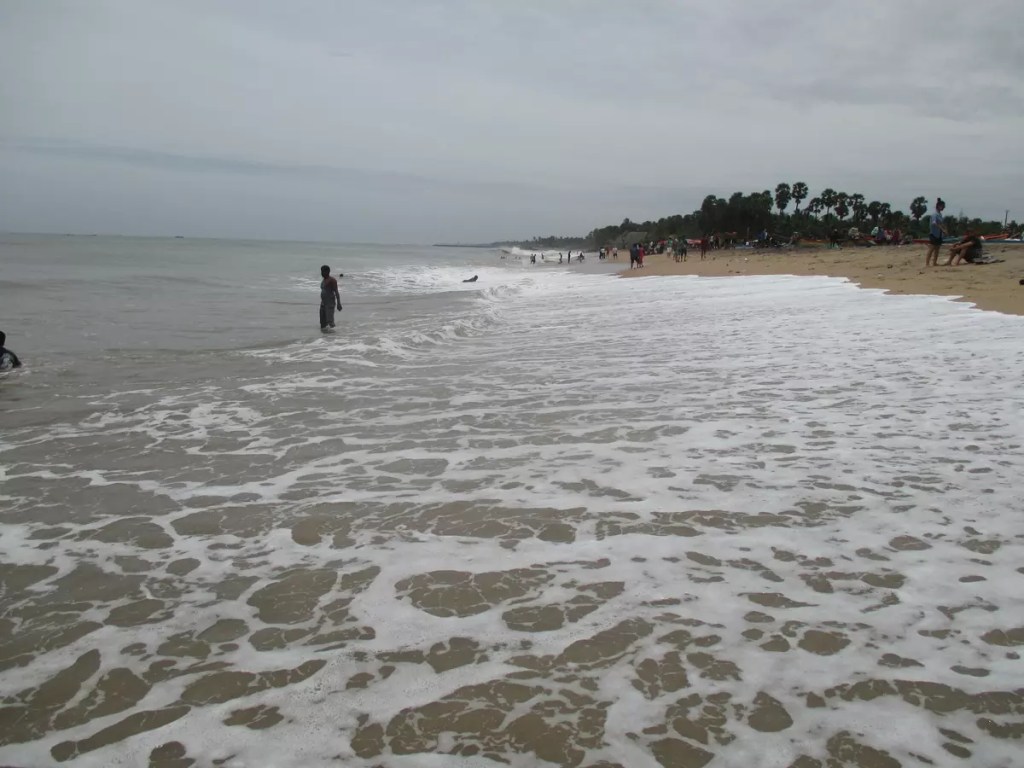
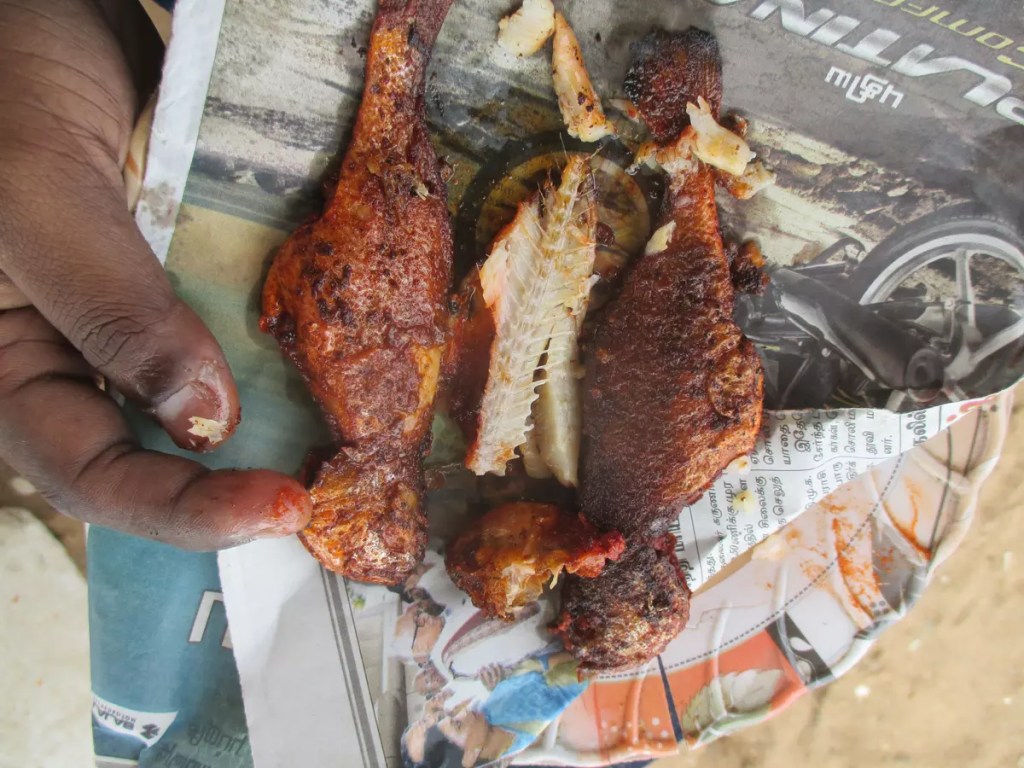
After completing the trail I headed to Auro Beach. This is a fisherman’s beach with lots of stationed boats and a few stalls selling fresh fried fish. The tides at this sandy beach are very calm and ideal for getting wet.

Pondy Photo 2016 — a photography exhibition was being held during the time I was visiting. The exhibition had displays all over the town in art galleries, roadside walls and the main festival venue the old port of Pondicherry. The theme of the year’s exhibition was water. The dilapidated buildings of the old port area were turned into a perfect setting for displaying photographs and installations.

Free advice: Sunday in Pondy is a good day for street shopping.

Day 3. 5 September 2016. Monday.

Final day. My plan was to spend the day at Paradise Beach about 7km outside of the city centre and then take a train back to Karaikudi. Paradise Beach is a private beach and has strictly controlled access. The beach is accessible via boats from Chunnambar Resort on Pondy-Cuddalore Road. As I reached the place I was told that the beach was closed for maintenance.

With no intention to go back to the city, I headed to Chidambaram to visit the famous Nataraja Temple. This is one of the few temples where Lord Shiva is present in his Dancing Avatar. Yet again I was able to reach the temple just a few minutes after it shut the gates for lunch. The gates would reopen only at 4.00 pm in the evening. With not much time in hand, I decided to visit it another time. I headed to the bus stop to board a bus to Trichy from where I would be able to continue to Karaikudi. My bus to Trichy decided not to go further than Kumbakonam and I had to get another bus to Trichy.

From Pondicherry to Karaikudi I had to change four buses travelling a much longer route than usual. A day that was planned to be in Paradise turned out to be a day of bussing across Tamil Nadu. I reached Karaikudi at around 11.00 pm.

Zindagi Na Milegi Doobara — version India

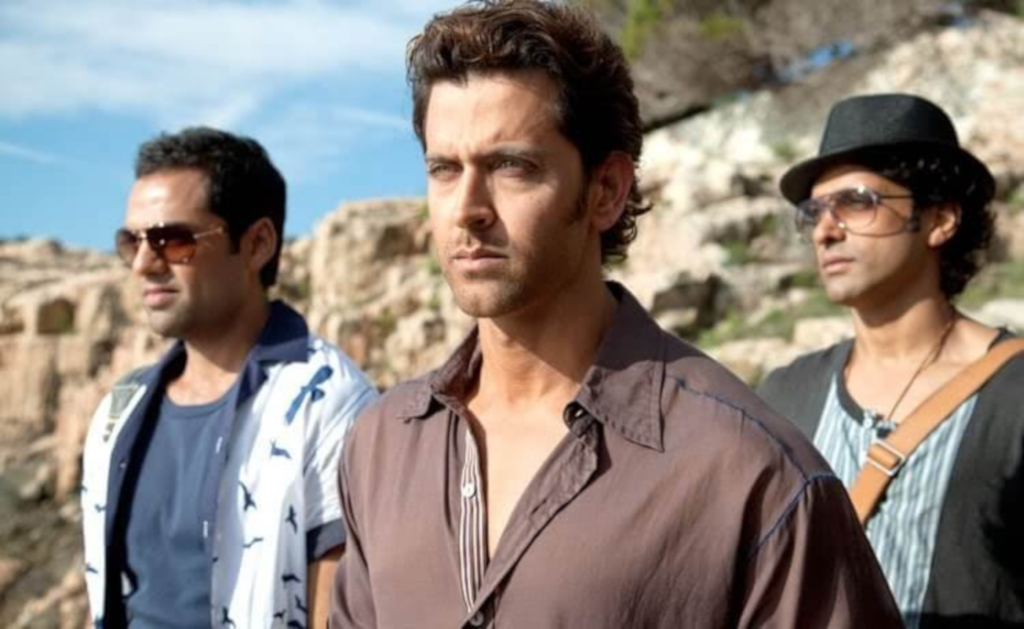
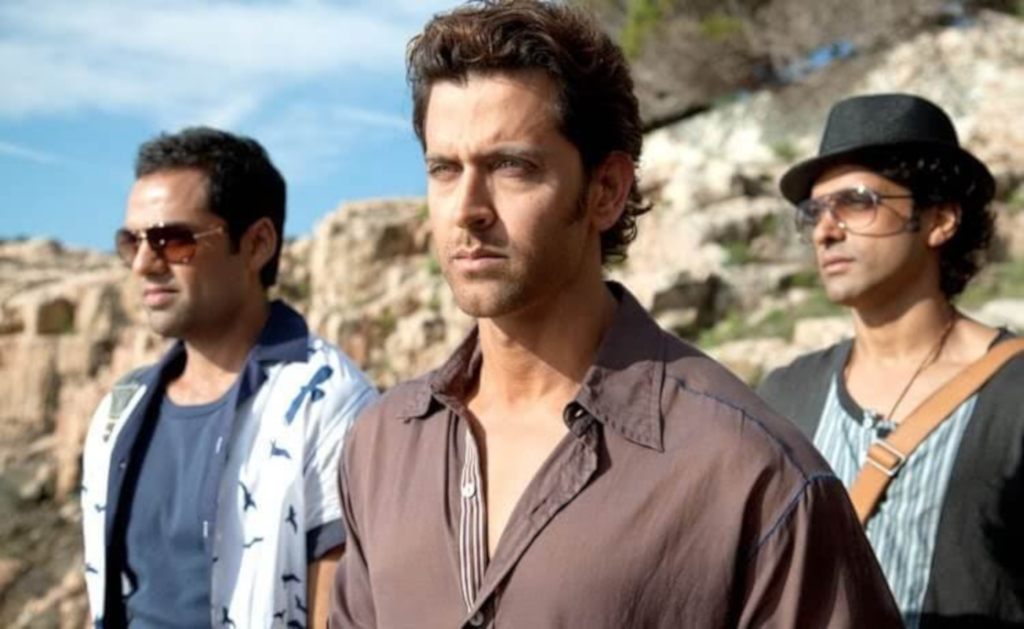
ZNMD. This movie must have inspired countless souls to travel. Why not? The road trip that Imran (Farhan Akhtar) & his school time buddies Kabir (Abhay Deol) & Arjun (Hrithik Roshan) take across Spain is simply breathtaking. Cherry on the top. The surprise sport. Each one would choose one sport and the other two had to participate. Deep sea diving in the coral reefs of Costa Brava, La Tomatina festival in Buñol, Seville for sky diving and the climax bull run in Pamplona. It must have at least once got into the mind to go and try it ourselves. But! Spain it is. Passport, visa, flights – the cash crunch is gripping tight. Maybe someday (which may never come) when I have sufficient money I will go. But for now, I was looking for jugaad to this experiences within India and surprisingly it exists.

Deep sea diving

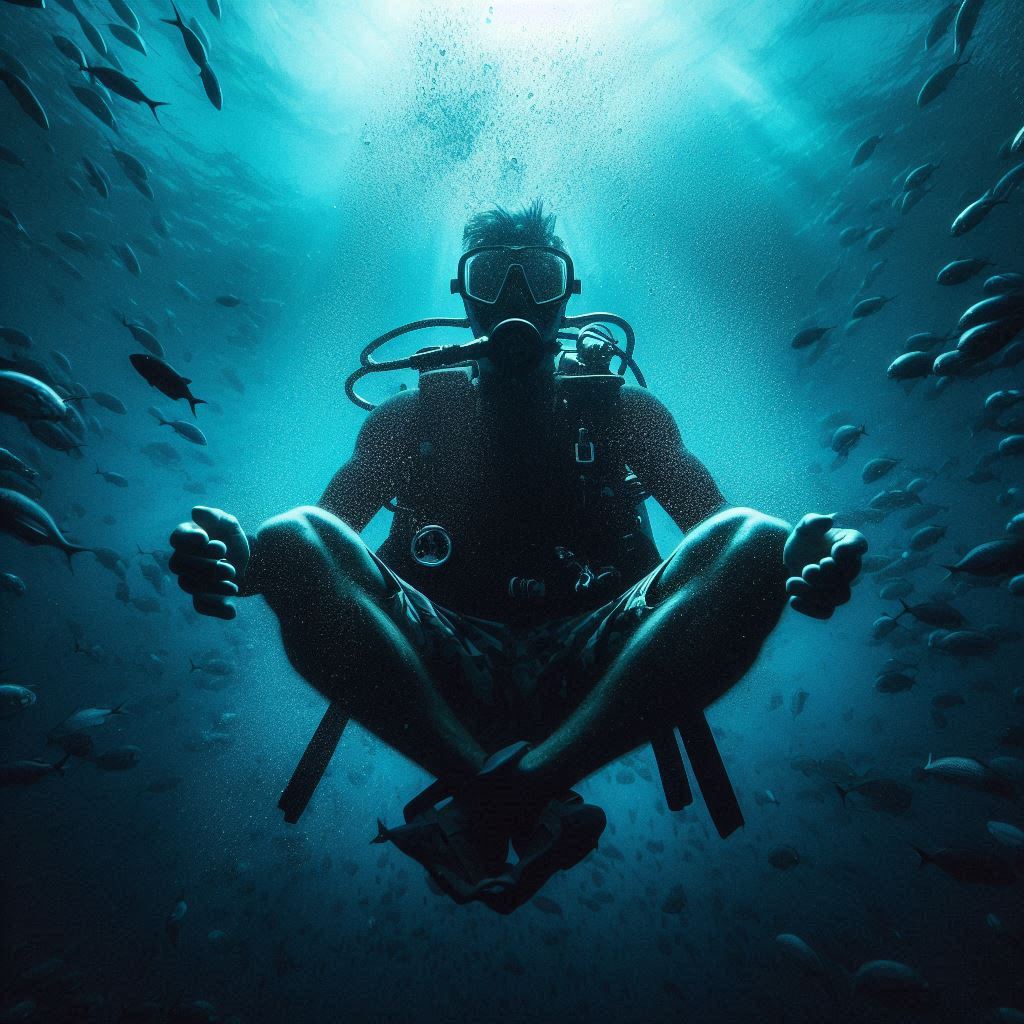
About 7500 km coastline, 2 seas, 1 ocean, 2 island clusters and 0 deep sea diving spot. This is hard to believe. Beyond the beautiful beaches is a territory less ventured. Deep sea diving spots are spread almost throughout the entire coastline and the two island clusters. The top seven spots according to Triphobo are Havelock Island, Lakshadweep, Goa, Pondicherry, Islands of Netrani, Malvan and Kovalam.

La Tomatina

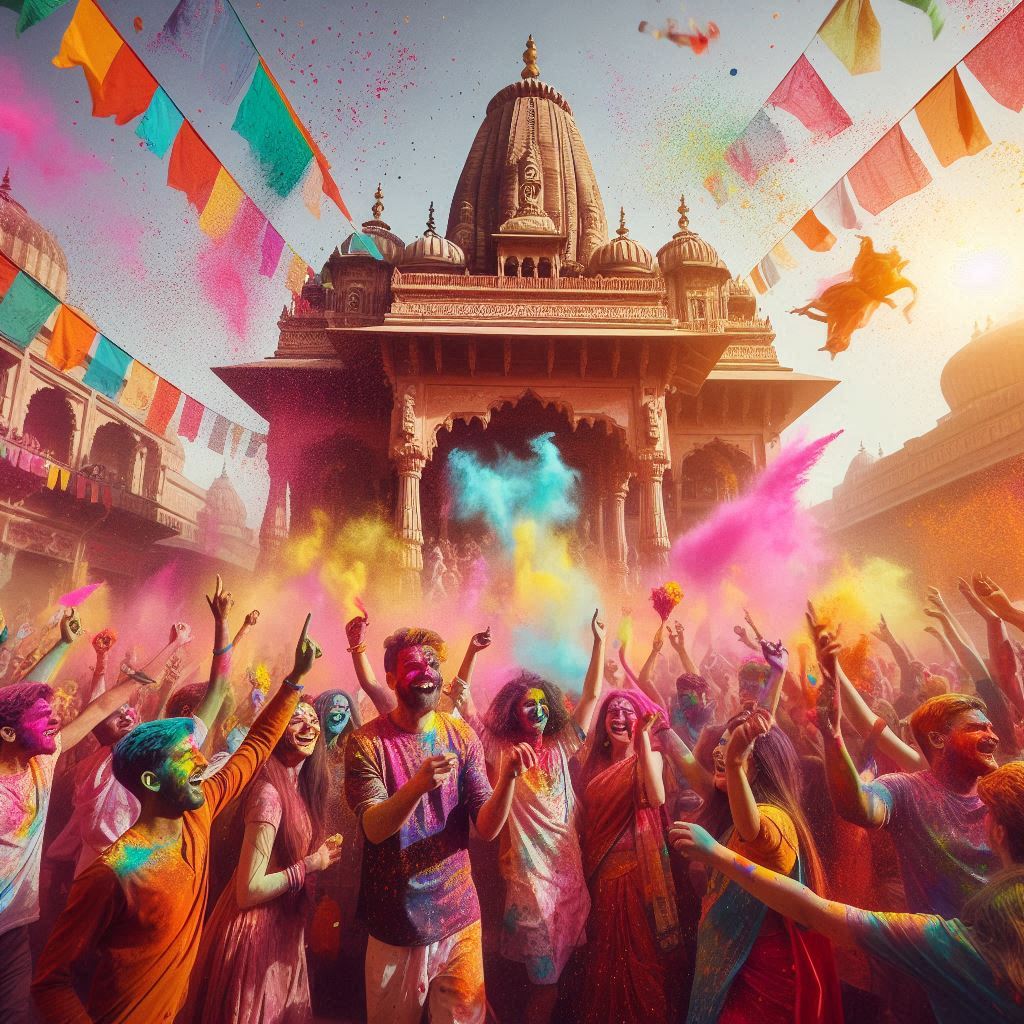
La Tomatina (Spanish pronunciation: [la tomaˈtina]) is a festival native to Buñol in which participants throw tomatoes and get involved in this tomato fight purely for entertainment purposes. Since 1945 it has been held on the last Wednesday of August, during the week of festivities of Buñol. To experience this festival in India one must head to the Scotland of East — Shillong. The festival was celebrated for the first time in May 2016. As per reports, the organisers made use of tomatoes discarded by local vegetable sellers. An alternative to this can definitely be our own festival of colours — Holi. Though Holi is celebrated all across the country some of the top places are Barsana, Shantiniketan, Mathura and Vrindavan.

Sky diving

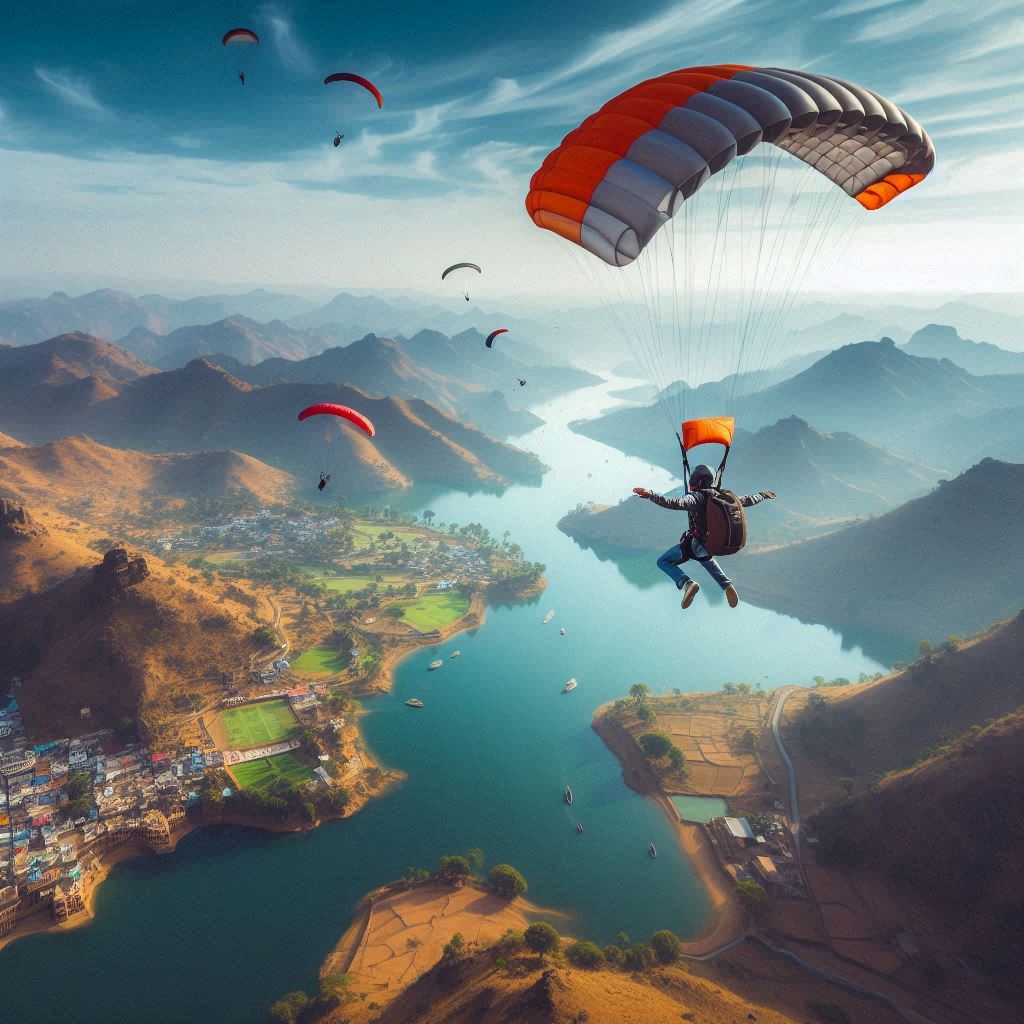
According to Wikipedia, parachuting, or skydiving, is a method of transiting from a high point to Earth with the aid of gravity, involving the control of speed during the descent with the use of a parachute. It may involve more or less free-fall, a time during which the parachute has not been deployed and the body gradually accelerates to terminal velocity. Some popular destinations for this sport in India are Mysore, Pondicherry, Aamby Valley and Dhana. Alternatively one can also try paragliding at Bir Billing, Manali and Yelagiri.

Bull run

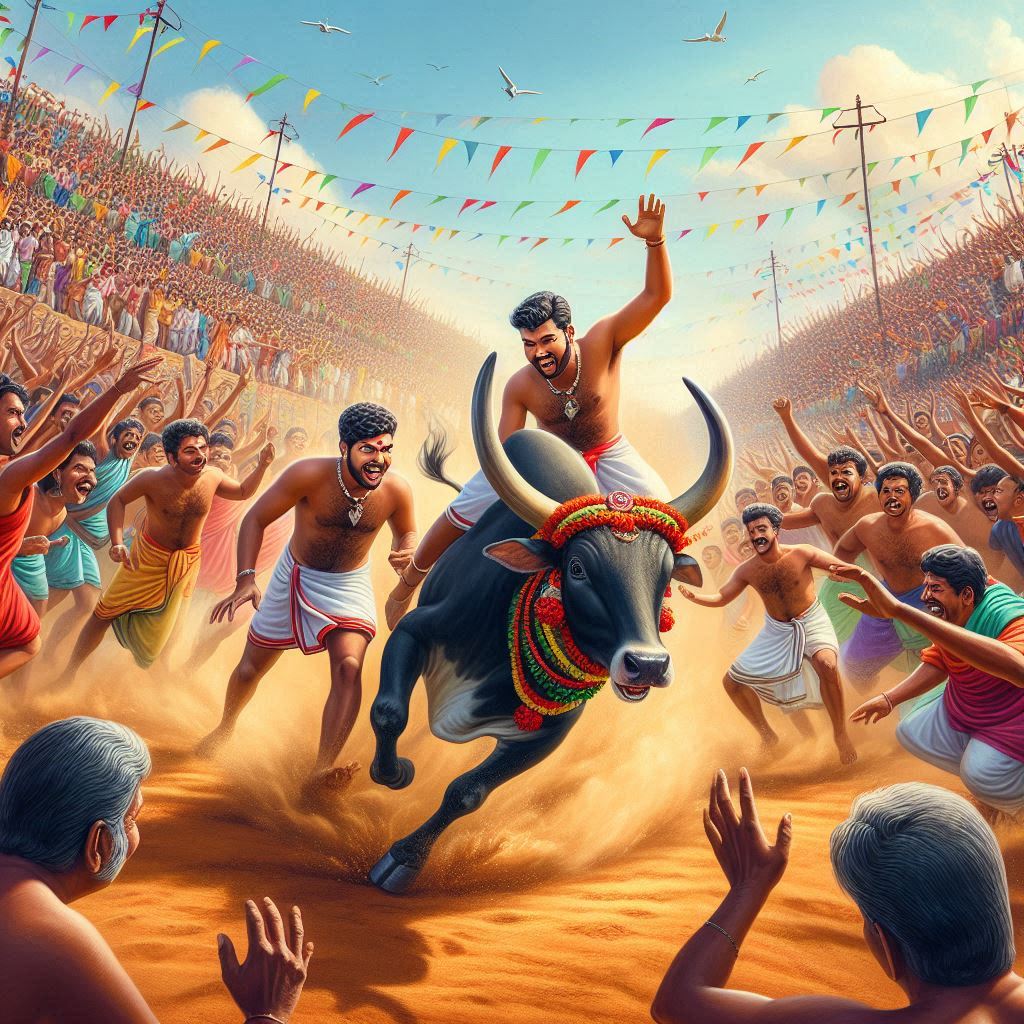
The Running of the Bulls is a practice that involves running in front of a small group of cattle, typically six, of the toro bravo breed that has been let loose on a course of a sectioned-off subset of a town’s streets. The most famous running of the bulls is held during the eight-day festival of Sanfermines in honour of Saint Fermin in Pamplona. In India the nearest similar sport is Jallikattu. Also known as Eruthazhuvuthal or Manju virattu, is an event held in Tamil Nadu as a part of Pongal celebrations on Maatu Pongal day. The sport involves taming the bull by holding onto its hump only. If the contestant holds onto the neck, horn or tail, then the contestant will be disqualified. Bulls are bred specifically by people of the village for the event. In May 2014, the Supreme Court of India banned the practice, citing animal welfare issues. On 8 January 2016, the Government of India passed an order exempting Jallikattu from all performances where bulls can not be used, effectively reversing the ban. However, on 14 January 2016, the Supreme Court of India upheld its ban on the event, leading to protests all over Tamil Nadu.

P.S: The list of destinations for each of these sports is not limited to the ones mentioned here. They are the one that comes on the first page of a Google search.

Someone truly said, “The world itinerary altogether fits in India itself”. Find your best pick and explore. Just one excuse:

“Dilon mein tum apni betabiyan leke chal rahe ho
Toh zinda ho tum!
Nazar mein khwaabon ki bijliyan leke chal rahe ho
Toh zinda ho tum!”

Travel tips for students who do not earn yet

As a student, we always dream of travelling. But once we start calculating the expenses, we pack this dream and bury it till when we will start to earn. Who knows if we will ever get time when money keeps rolling to us. Pack your backpacks and let the dreams flow out. Be a bit strict with yourself on how you spend and yet be free to enjoy your life. These are some tips from my personal experience of having touched down at 14 Indian states and 2 Union Territories. Happy travelling.

Destination

Choose your destination wisely. This is the first and the most important step in starting to stop the draining of money. The destination you choose will decide how much you will spend on the trip. Ditch that exotic destination. You can always travel that when you have a thick wallet. Choose something that’s near to your current location. India has a varied choice to offer. There may be more places nearby to explore than you ever thought. If you are not based in the metros of India; paying a visit to them is not a bad option. They have certain benefits to offer to a traveling student as I will discuss soon. In case you are based in a city and want to escape city life, some gate-away is definitely waiting for you.

Stay

If you are comfortable spending your night with just a mattress and a pillow then this tip is for you. YHAI offers probably the cheapest lodging option with an average price of ₹100/-. Their youth hostels are located at all major locations in India and offer a clean and hygienic dorm facility. But you have to follow certain discipline while staying there. I have personally stayed at YHAI Bangalore and Mysore and the experience was pretty good. I tried looking for accommodation at their hostel during my last visit to Pudducherry but I was late. So it is advisable to book in advance if you are planning to stay there. The alternate I accommodation I found in Pudducherry is another option to stay while travelling. The ashrams and their guest houses. This is mostly applicable to spiritual locations across India. Same as YHAI you may have to abide by certain rules while staying there. Staying in a dorm can connect you with other members who may be able to guide you on your travel plan. This tip remains unchanged if you are planning to stay with a local. Couchsurfing looks like another upcoming option while travelling in India. They connect you with hosts who are willing to allow you to stay at their place for free. I am yet to try this. For hotels: search on hotel aggregator sites but book directly on call. The process as I have heard increases the cost. Looking for hotels to reach the destination may also be a good option as most small hotels are not online. As an Indian, you may have a well-established relative network. Dear friends use this now. The last tip on finding accommodation – make friends. They may help you find cheaper deals or let you stay at their place (my stay on a trip to Mumbai, July 2016) or may even sneak you into their hostels and share their bed (offered on a trip to Hyderabad, January 2016).

Travel

As I told you earlier where you want to go will decide how much you spend. Choosing a location that’s on the Indian Railway network can cut down a lot of expenses but only if you promise to travel in non-AC coaches. For places not on the IR map, check if they have frequent road connectivity from your place. The intercity bus network in Assam and Tamil Nadu is good (to be noted: from my experience).

Getting around

A location that provides ample options for public transportation is according to me the best destination. Indian cities and most towns have excellent public transport systems to avail. Cities like Kolkata and Mumbai with its well laid out suburban train network can take you to any corner of the city at the cheapest price. Additionally, they are backed up by buses and share autos to keep your travel cheap. The underground rail system in Delhi and Kolkata is the best option to crisscross the city fast. For smaller towns, they mostly have buses or autos to get you around. For still smaller places use your legs. Walking around the French town of Pudducherry or getting mingled with the crowd in Kolkata or Mumbai will be definitely the best experience. With smartphones in everyone’s pocket, it’s no longer hard to look for distances between places and find how to travel. For over 3 years I have used Google Maps to find my route in Kolkata and I must say they are about 90% accurate in producing details even regarding bus route numbers. If you don’t have a smartphone like me the pan-wala and co. is always there to help you.

Food

Again ditch that exotic restaurant and go desi on the streets. I feel they have a unique yet varied taste to offer. They let you taste the local cuisine as well as some imported stuff with a remixed taste.

Travel accomplice

Go solo or with a team? Both have advantages and disadvantages. Going solo can make you flexible but at a few places, your group can bring down accommodation expenses. At certain destinations booking a hotel room may be cheaper when you are in a group as you are going to share your prices. The same principle applies when you are in a good restaurant or even hiring a vehicle to get around. The best thing about going solo is you can decide where and how you want to go, where will you stay, what you eat etc. You are your own boss and don’t have to wait for consensus for your group. Yet I must confess that my college trip to Himachal Pradesh with the entire batch of 70 will be the most memorable one.

Research well

Study about the place you are going. Read travel articles. Browse websites related to your destination. You may be able to skip hiring a guide. Apart from travel websites and Wikipedia try checking the Archeological Survey of India’s website for details regarding sites maintained by them. State and district government websites also have a pretty good share of information. If your destination has a major university their website may host some details regarding the place. I agree they have a fantastic story to tell but let’s keep it for the next time. Don’t hesitate to look for advice from Facebook groups or friends who have already travelled to the place.

Funding

As I learned from a travel blogger, travelling is all about priority. The amount I spend to travel, someone may be spending the same or even more on buying expensive branded accessories/wears or on food in a popular restaurant. As a student getting a paid internship can take you places (Bhavnagar & Mumbai, 2016). But please do respect your commitment towards the internship and of course explore the place.

This is not an exclusive list of tips to travel cheap. Find your own way to cut down costs. With more trips to come; more tips will be added.

Acknowledgement: I would like to thank each and every one who has been a part of this journey and those who will be; family for their support, friends for encouragement and strangers for showing the way.

P.S.: This post is also on Tripoto.