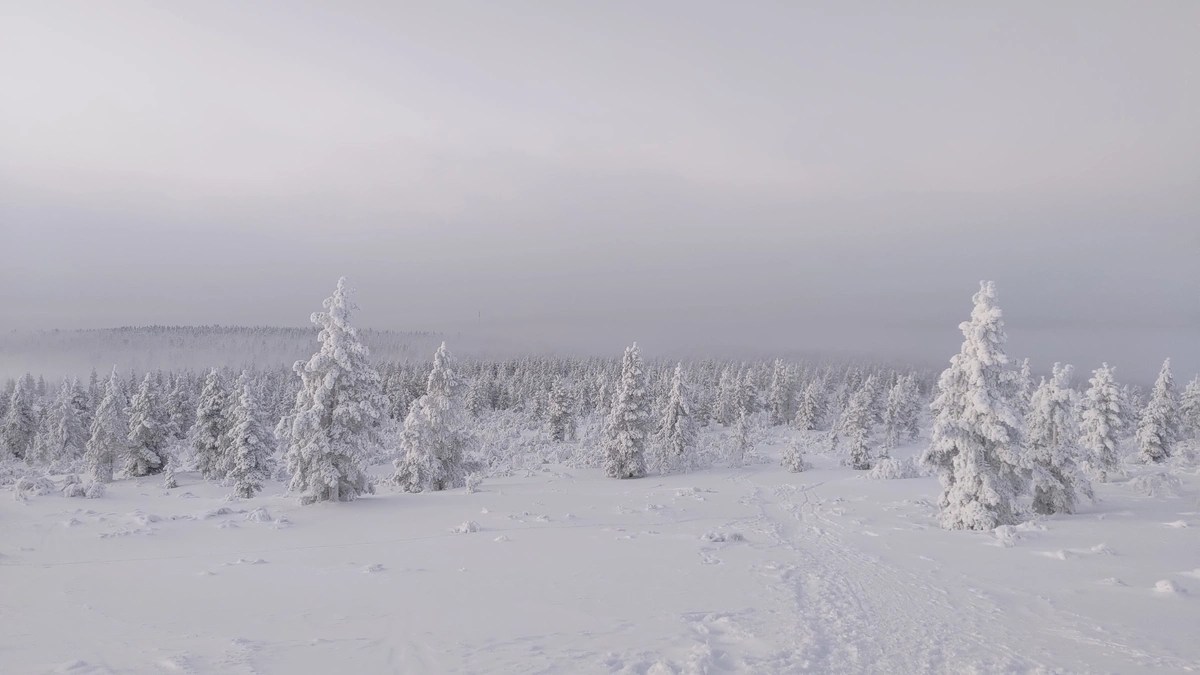
Kiilopää — the hidden gem of Finnish Lapland

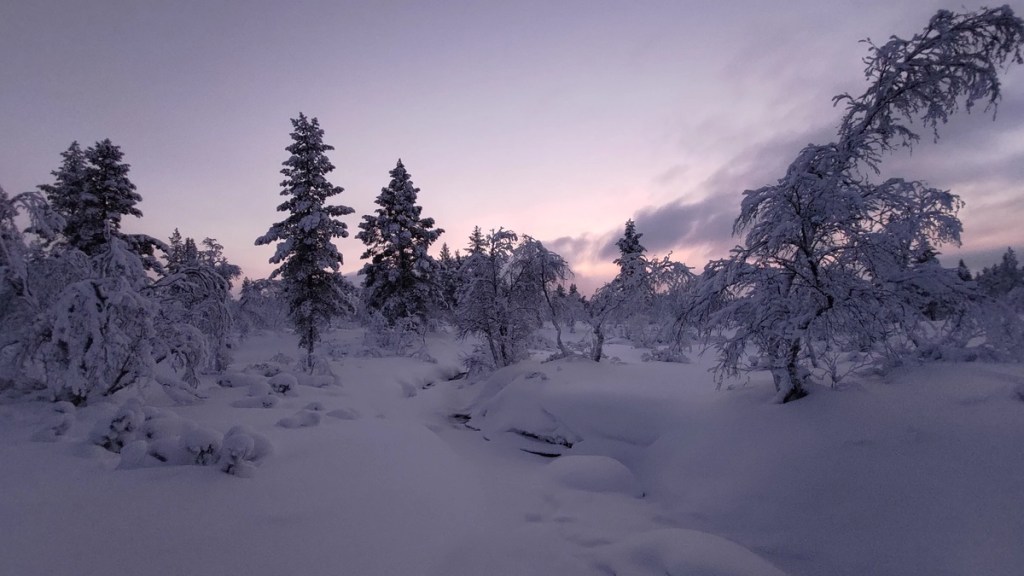
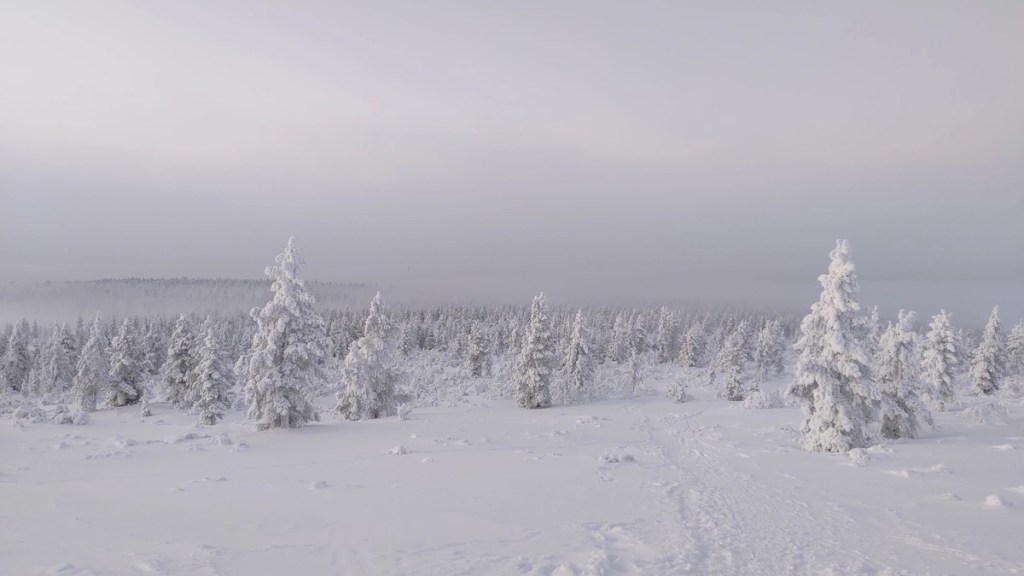
Moving past the tree line on the way upto or down from the Kiilopää fell.

I do not know if this is still a hidden gem, but when I visited in December 2021, it seemed like an oasis amidst the overcrowded, touristy towns. Having come from Rovaniemi, the place gave an utterly opposite vibe. While there were black and red or blue winter suit-clad, penguin-looking tourists everywhere in Rovaniemi, there were hardly any people there. Saariselkä, about 15 km north of Kiilopää, is where you would find most winter tourists visiting this region. So, if you ask me, ‘How did I end up here?’ it was thanks to a nice hostel that was part of the Hostelling International network and one of the few in Lapland accessible by public transportation. Additionally, it provided affordable accommodation for one person, even during the peak tourist season. Read on to know more about this hidden gem of Finland.

Why visit Kiilopää?

Before we move ahead, I should clarify this: I will probably not be able to categorise Kiilopää as a village or town. It is rather a fell in Finnish Lapland. At its base is a hiking centre operated by Suomen Latu, the Finnish Outdoor Association, where I spent a few days of winter. Kiilopää is one of the gateways to the wilderness of Urho Kekkonen National Park. So if you are seeking wilderness adventures, irrespective of the time of the year, this might be the place to visit. The rolling hills here are a distinct geography that you can experience in Finland.

How to reach Kiilopää?

Kiilopää is located close to the European route E75, which runs vertically through Finland. At the time of writing this blog, at least three buses on their way further north to Ivalo and Karasjok from Rovaniemi take a detour from the highway to visit Kiilopää. It takes about 3.5 hours to cover the 250 km distance from Rovaniemi. The updated schedules for the buses can be found on Matkahuolto.fi and Perille.fi. The nearest airport is located at Ivalo (45 km), which happens to be the northernmost airport in Finland. It is serviced by year-round FinnAir flights from Helsinki and seasonal (read winter) flights from other European cities.

Where to stay and eat in Kiilopää?

The Suomen Latu Fell Centre offers both hotel and hostel accommodations. As mentioned, their Hostel Ahopää is part of the Hostelling International network and has shared dorms for up to eight people in each. For food, you can cook at the shared kitchen in the hostel or enjoy local delicacies at the Fell Centre restaurant. I still remember having one of my best traditional Finnish Christmas dinners in this restaurant. The Fell Centre also has a small store from which you can purchase snacks and canned food; however, the nearest full-stocked grocery store is located in Saariselkä.

Apart from the Suomen Latu Fell Centre, several other resorts and cabins can be found in the area, including the Kakslauttanen Arctic Resort. It is one of those places you might have seen on Instagram reels, with rows of glass igloos. These resorts usually have a restaurant that you can drop by for food. While exploring the area on a bike, I came across the Laanilan Savottakahvila, which seemed like a nice pitstop to warm up in the cold weather. Another cafe that I discovered while writing this blog is at Luulampi, a junction for several hiking and biking routes in the area. Located inside the Urho Kekkonen National Park, the cafe can only be accessed on foot or by cycle and is open only outside the winter season.

What to do in Kiilopää?

Hike – Bike – Ski – Sauna!!! I suppose that sums up the things that you can do here in Kiilopää. According to the Luontoon.fi website, Finland’s centralised information source on outdoor activities, the Saariselkä, Kiilopää and Kakslauttanen area has approximately 200 kilometres of hiking trails, of which approximately 80 kilometres are located in the Urho Kekkonen National Park. Although these trails are primarily accessible in summer, at least some of them double up as ski and snowshoeing trails in winter. The hike to the summit of the Kiilopää fell would be one of my recommendations if you are visiting Kiilopää. On a clear day, the summit offers great views of the rolling hills that form a vast expanse of the national park. The hike is part of the 5.7 km Kiirunapolku Circle Trail and is usually considered an easy hike. In winter, however, a snowshoe might be essential as the latter part of the trail is not as frequented as the climb to the top following an anti-clockwise direction. Besides hiking trails, the area also has several marked cycling routes, including those that are also maintained in winter. You can ride a fat-bike all the way to Saariselkä and back through the snow-covered forest. The Kiilopää Adventures rental shop, located on the premises of the fell centre, rents out the necessary equipment/gears for hiking, biking and skiing. They also offer guided tours and are the point person for ground-level guidance for planning your own adventures. During my visit, they helped me chart out my snowshoeing and biking routes, and to date, it was one of my best winter experiences. However, there was one thing that I missed experiencing and would not recommend others make the same mistake. The Kiilopää Smoke Sauna is mentioned to be ‘one of the five must-experience saunas in Finland’. After you have soaked in all the adventures for a day, you can rejuvenate yourself by relaxing in the sauna, followed by a dip in the river Kiilopuro. The autumn and winter pictures I have seen of the sauna and the pool are one of the reasons that would take me back to this place, even if for a day.

  • A random view while fat-biking in the winter wonderland.
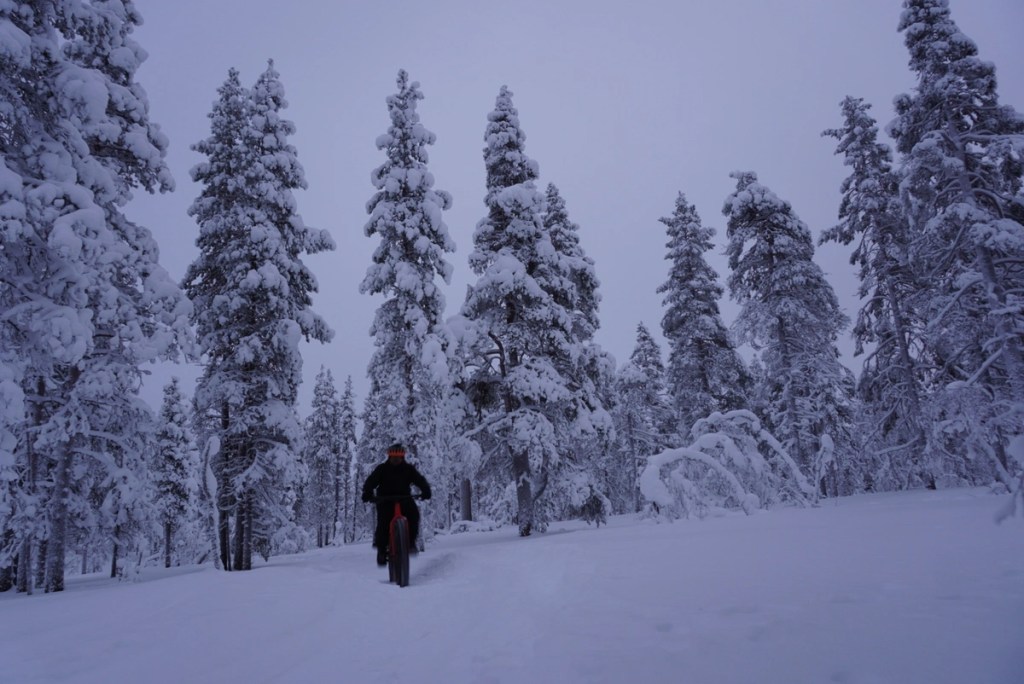
  • Fatbiking through the snow covered forests.
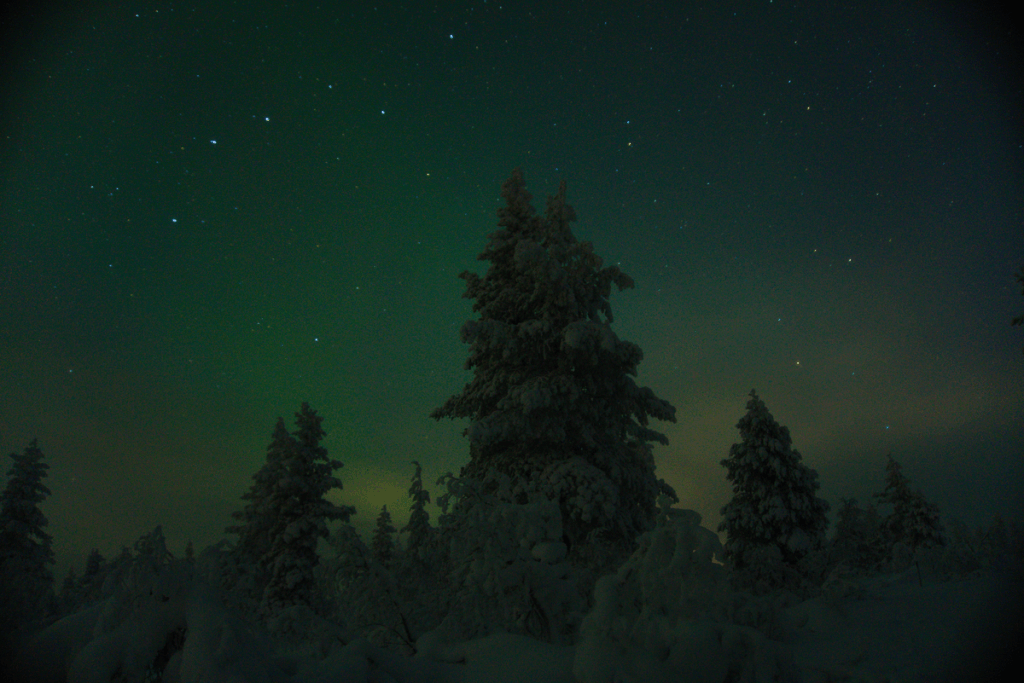
  • Chasing the auroras.
  • Back into the forest.
  • Moving past the tree line on the way upto or down from the Kiilopää fell.
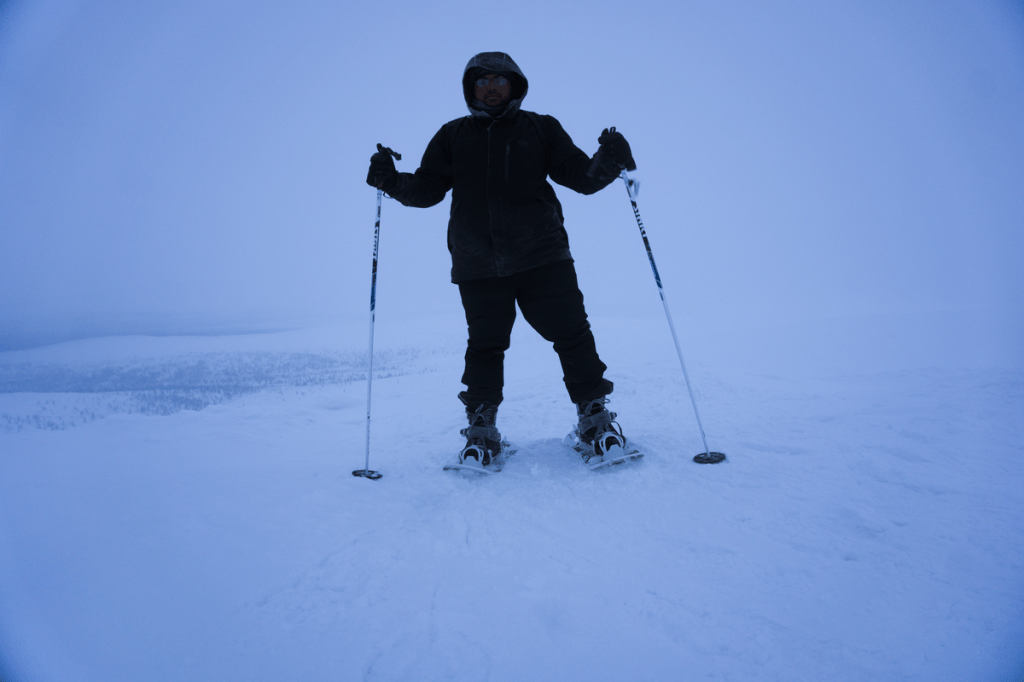
  • Snowshoeing along the Kiirunapolku Circle Trail.
  • View along the Kiirunapolku Circle Trail.
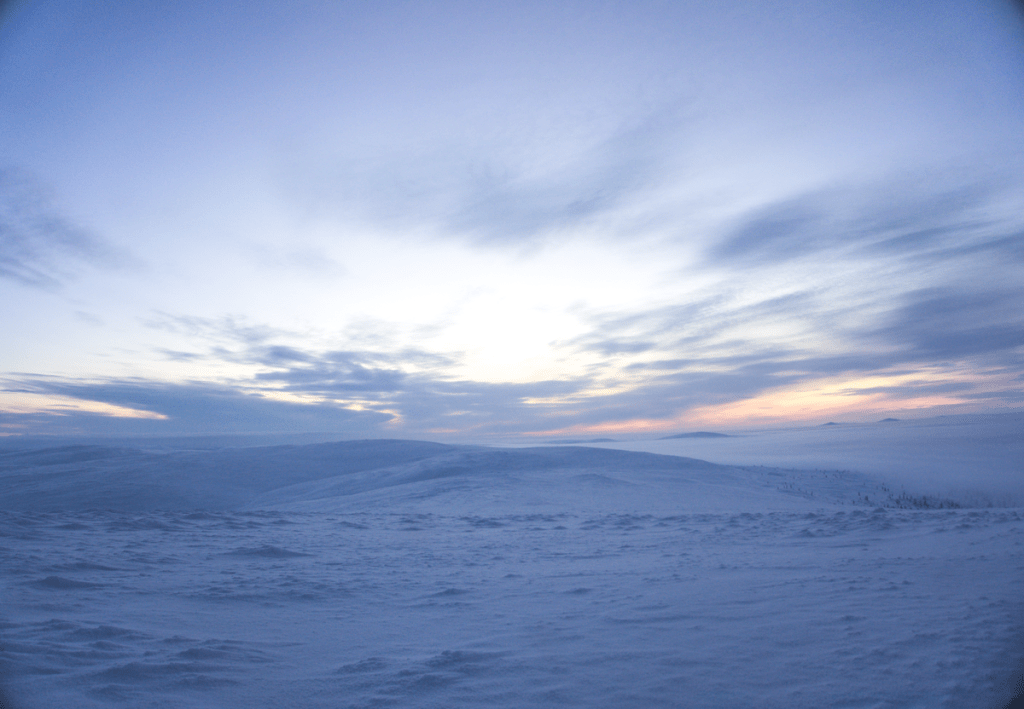
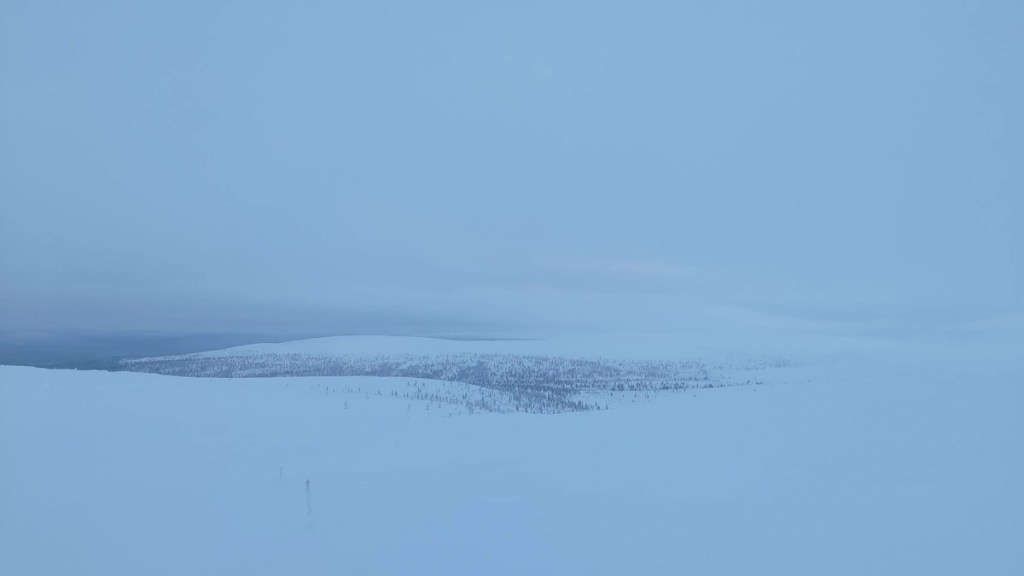
  • View from the top of the Kiilopää fell.
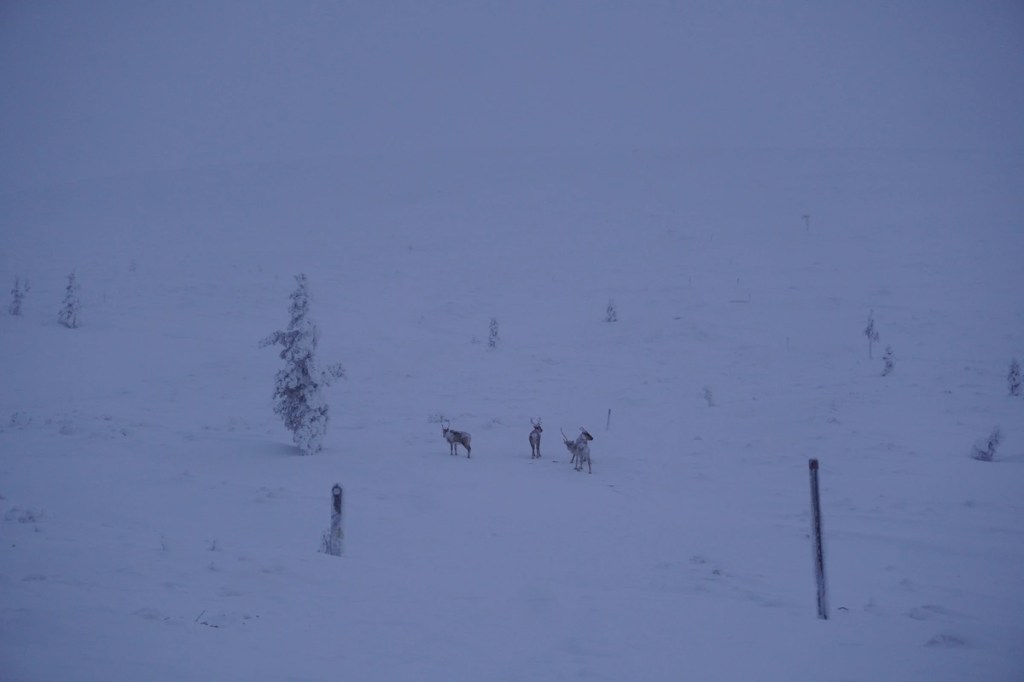
  • Luckily spotted some reindeer roaming in the wild.
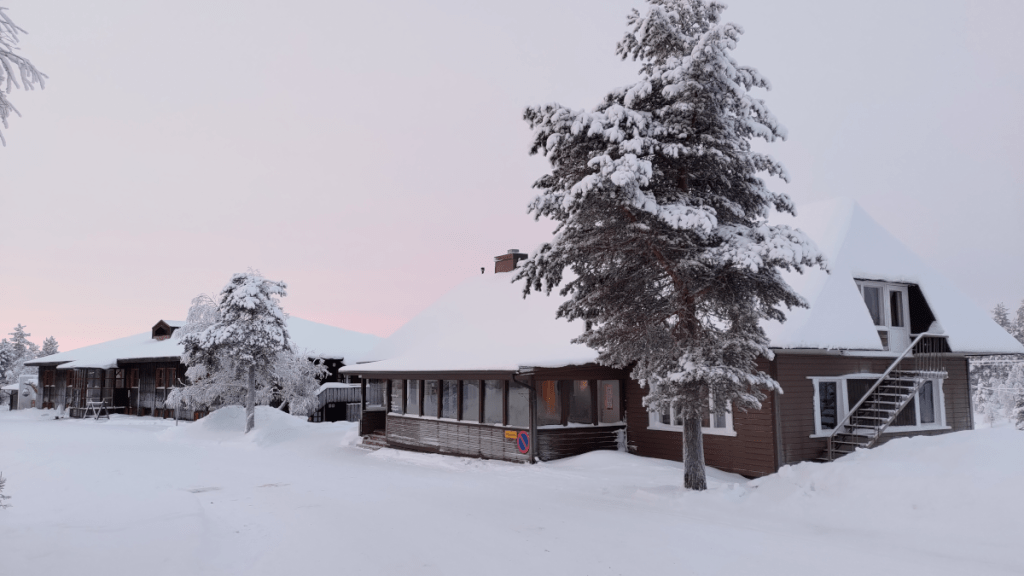
  • The Hostel Ahopää (Kiilopää) building

For more pictures from this trip and my other trips in Finland, please visit my Instagram and 500px.com pages.
A border town with two castles: Narva-Ivangorod

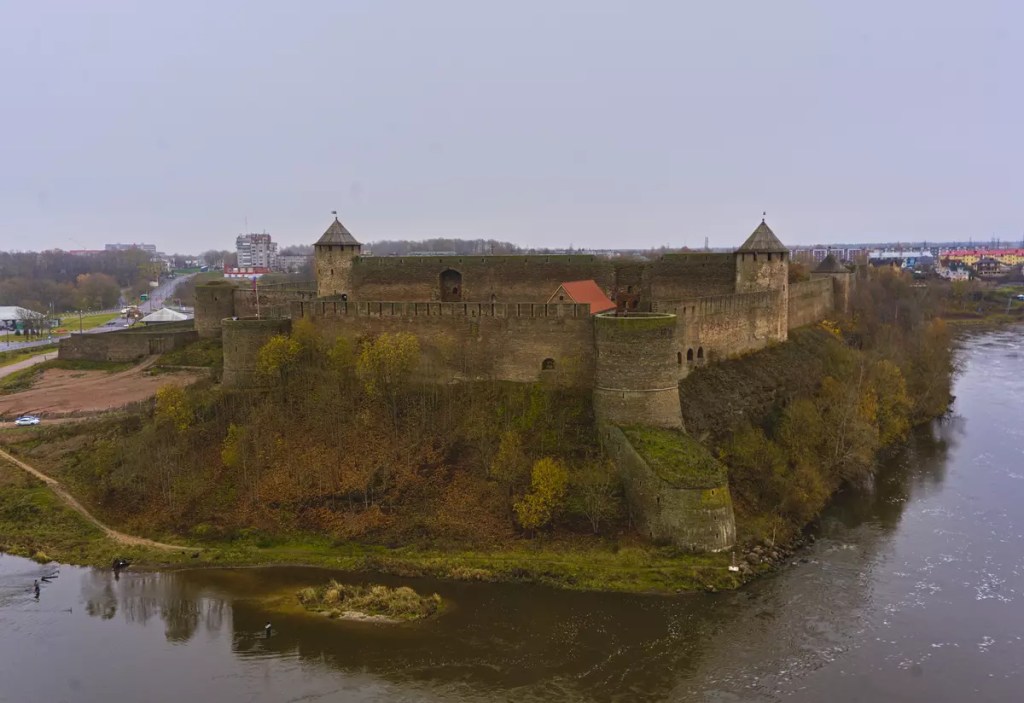
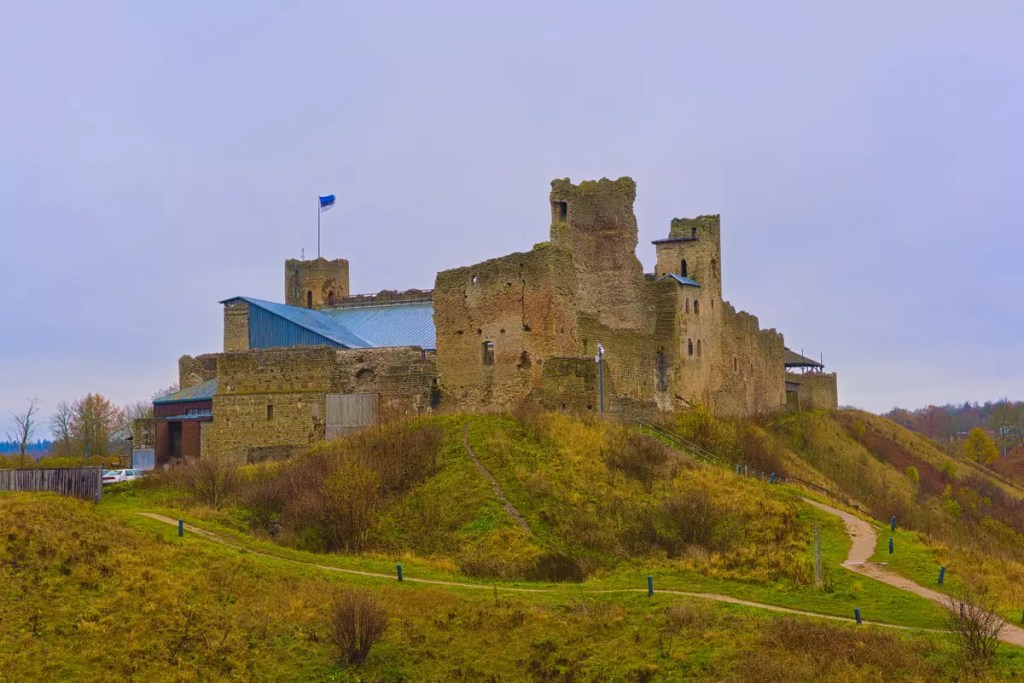
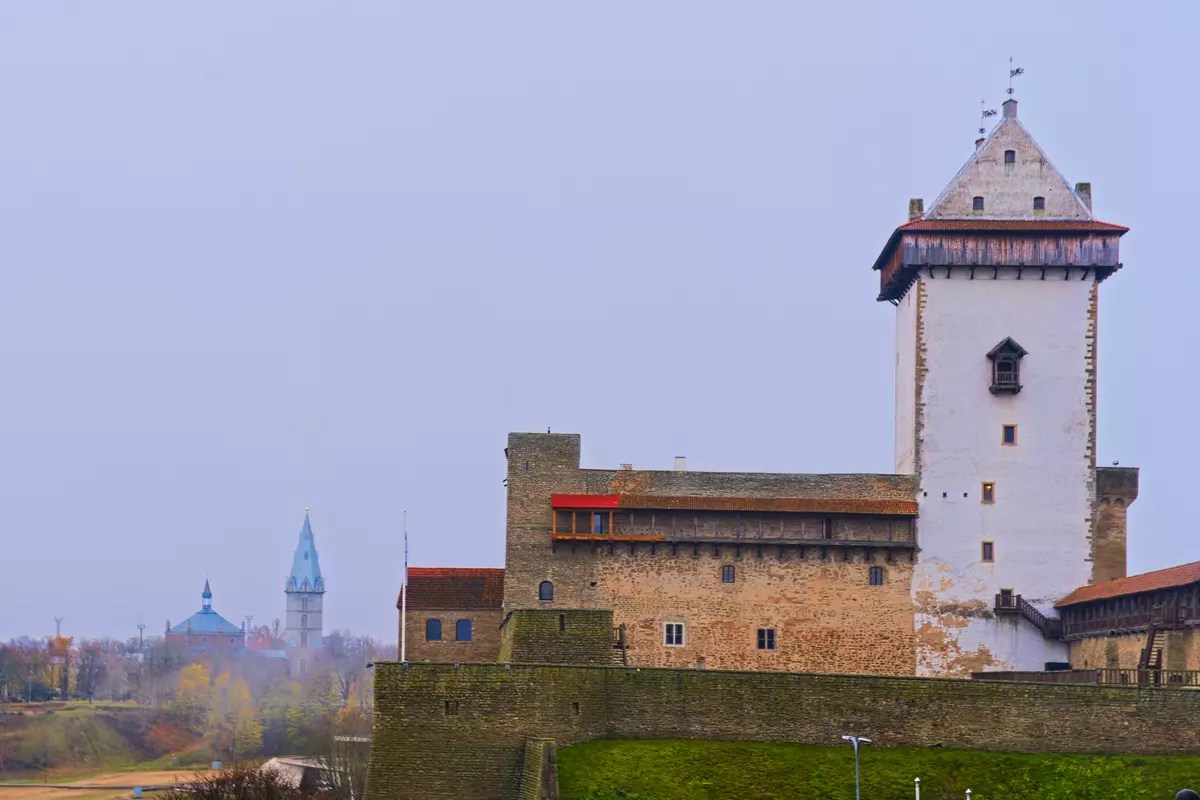
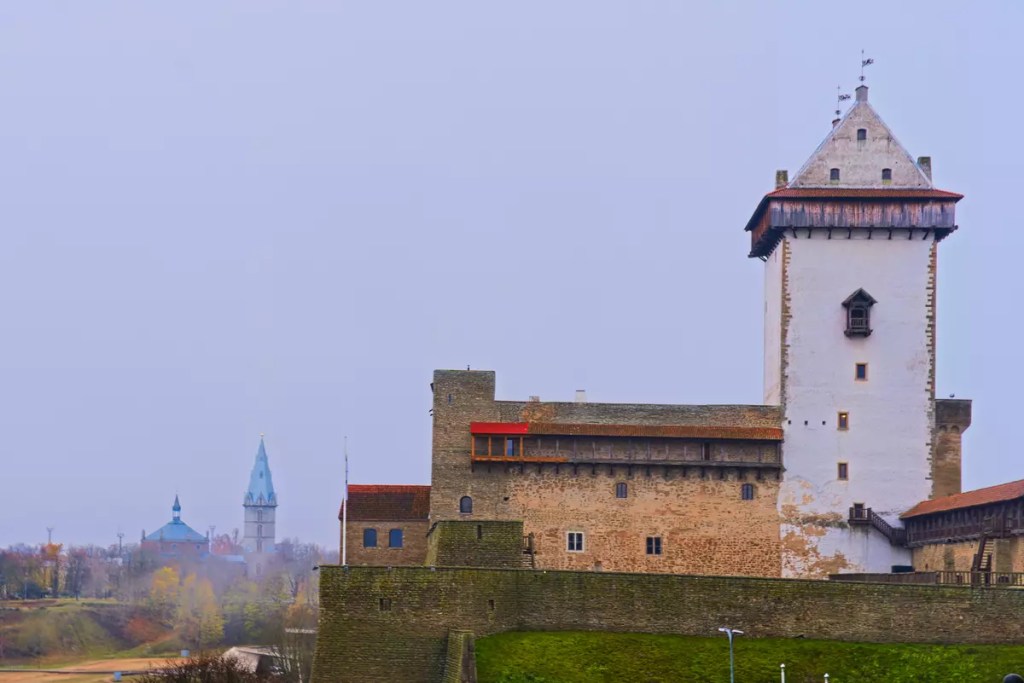
Herman Castle

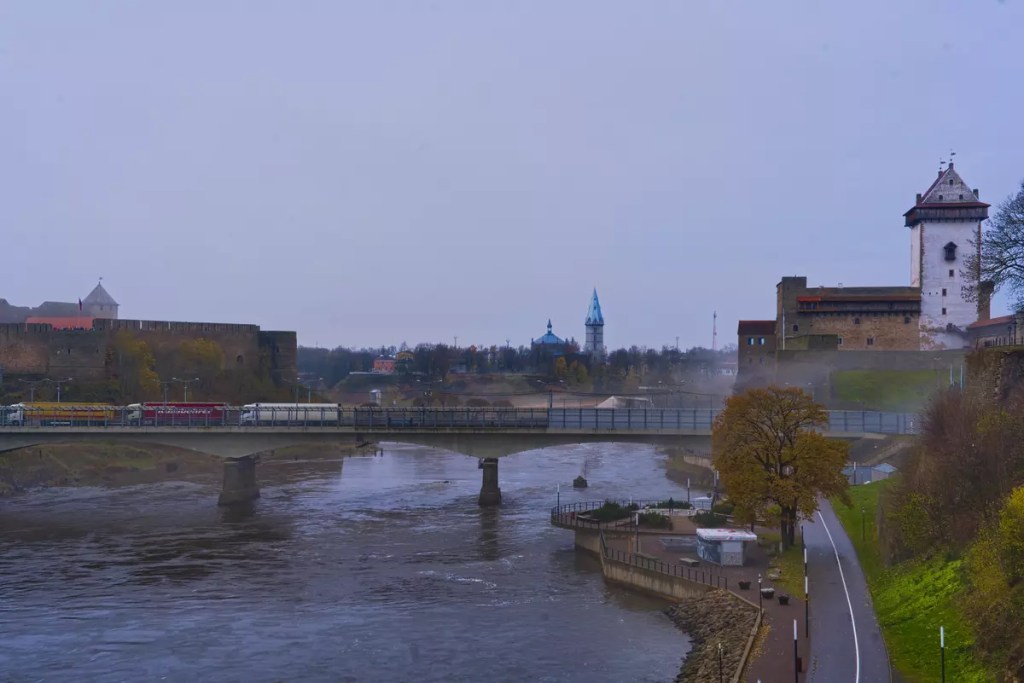
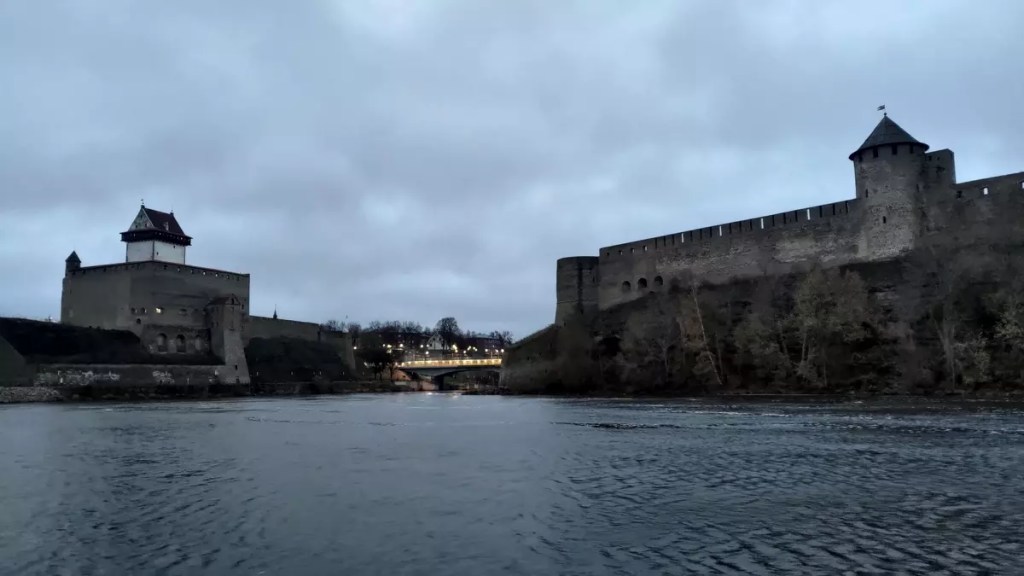
Have you ever visited a place where castles/fortresses from opposing groups face each other? If not yet, then you might want to add Narva to your bucket list. Narva is a town along the Estonian border with Russia. Geographically, it is the easternmost town of Estonia. The Narva River separates the two countries here before draining into the Baltic Sea. On either side of the river are two impressive buildings — the Narva Castle and the Ivangorod Fortress. The Narva Castle or the Hermann Castle was established in the 13th century when the area was part of the Danish Realm. On the other hand, the Ivangorod Fortress was established in the 15th century by the then Grand Prince of Moscow Ivan III. However, archaeological findings indicate that the earliest settlement in this area was in the 5th to 4th millennium BC. Today, Narva is the third largest city in Estonia after Tallinn and Tartu. Narva is connected to Ivangorod in Russia through a ‘Friendship Bridge’ making it possible to visit the two historic buildings in one trip, provided you have the necessary documents and the borders are open.

How to reach Narva?

Narva lies on the European route E20 that connects Shannon Airport in Ireland to Saint Petersburg in Russia. From Tallinn, the Estonian capital, Narva is 216 km towards the east and is connected by both busses and trains. The buses, which ply more frequently than trains, take about three hours while the latter takes a half hour less. Tickets can be booked on the T-pilet and Elron websites for the buses and trains respectively.

What to do in Narva?

Visit the Herman Castle: The obvious thing that you would do if you are drawn to this town is to visit the castle which is currently a museum and presents the detailed history of this area. My favourite part was the audio-visual presentation of how the earliest settlements came to be in this place and how the place developed to be the town we know today. You can also climb up the castle tower to have a look at the Ivangorod Fortress on the other side of the river.

Walk along the Narva River: The Narva Riverfront offers the best places to put the two castles in a single frame. The promenade, which is in the immediate vicinity of the international border, stretches between the Narva Harbour in the north and the Narva Joaoru recreational area in the south. The northern stretch of the promenade is overlooked by the walls of the Bastion Victoria on the Estonian side while the southern stretch follows the walls of the Ivangorod fortress on the other side of the river. It is along this stretch where you can find the remains of the oldest known fortified settlement in Estonia dating back to 1000 BC.

Explore the Narva Bastions: The 17th-century Narva fortifications consisted of seven bastions that protected it from enemy attacks. When I visited, only six of them were preserved and could be visited. Of these, the Victoria Bastion was the most powerful one with a 16-metre-high front wall facing the river. It is today possible to explore the interiors of the Victoria Bastion on guided tours but must be pre-reserved during the off-season. An unlikely attraction that you might encounter inside is the bats. These local bats including some rare species call the bastion casements their home, especially during the winter months. The top of this Victoria Bastion and the nearby Pax Bastion has been converted into a public park and is accessible at all times.

Where to eat?

I would like to specifically mention two places that I visited during my trip. The first one is Ravintola Petchki-Lavotchki at the Fama Keskus which serves traditional Russian food. I had seen some recommendations for this restaurant on the internet but it was the interestingly decorated exterior that attracted me inside. If I can recall correctly, I tried stroganoff for the first time here and it definitely did not disappoint. The other was a cosy cafe called Bublik. Cafe Bublik is recommended for its pastries and mouth-watering dumplings. Here, I tried Pelmini and would recommend you too. If you haven’t heard the name before, it is a meat-stuffed dumpling of Russian origin and is often regarded as the ‘heart of Russian cuisine’.

Bonus:

Rakvere castle: If you happen to be visiting Narva from Tallinn or heading towards it, you could potentially make a stopover at Rakvere midway and visit another medieval castle. The Rakvere Castle is ideally a small theme park representing everyday life in the 16th century. Among other things, here you can explore a medieval torture chamber, a death room and even hell.

  • Herman Castle
  • Ivangorod Fortress
  • Friendship bridge as seen from Pax Bastion
  • The view of the castles from Narva Joaoru
  • Narva art museum
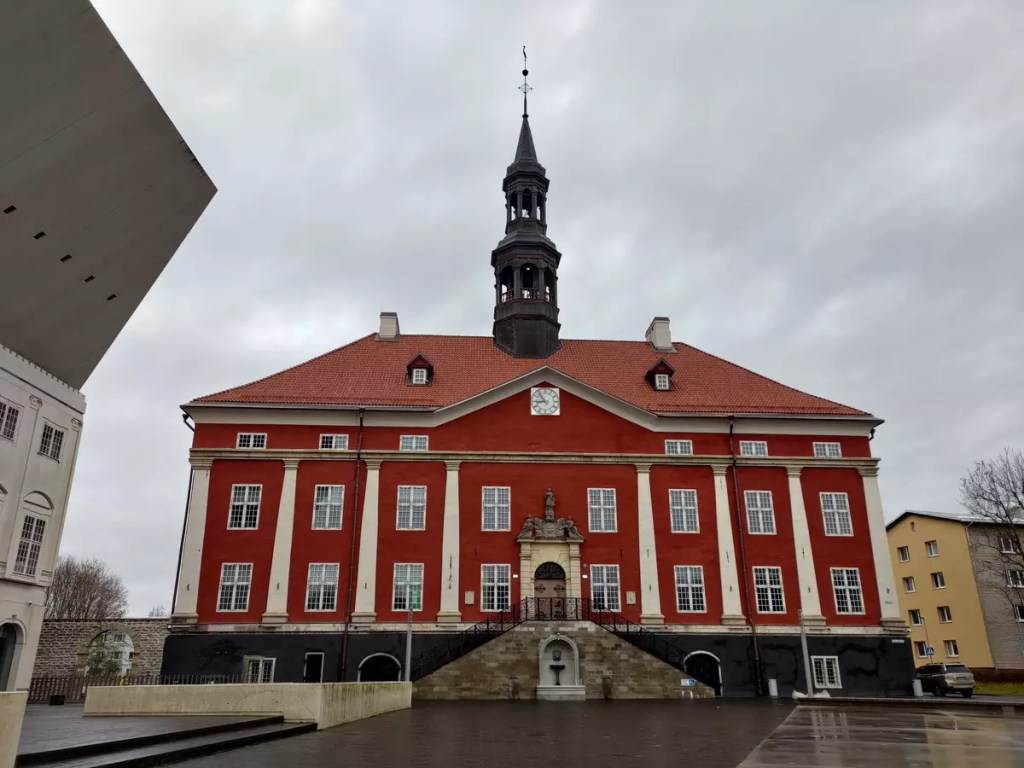
  • Narva town hall
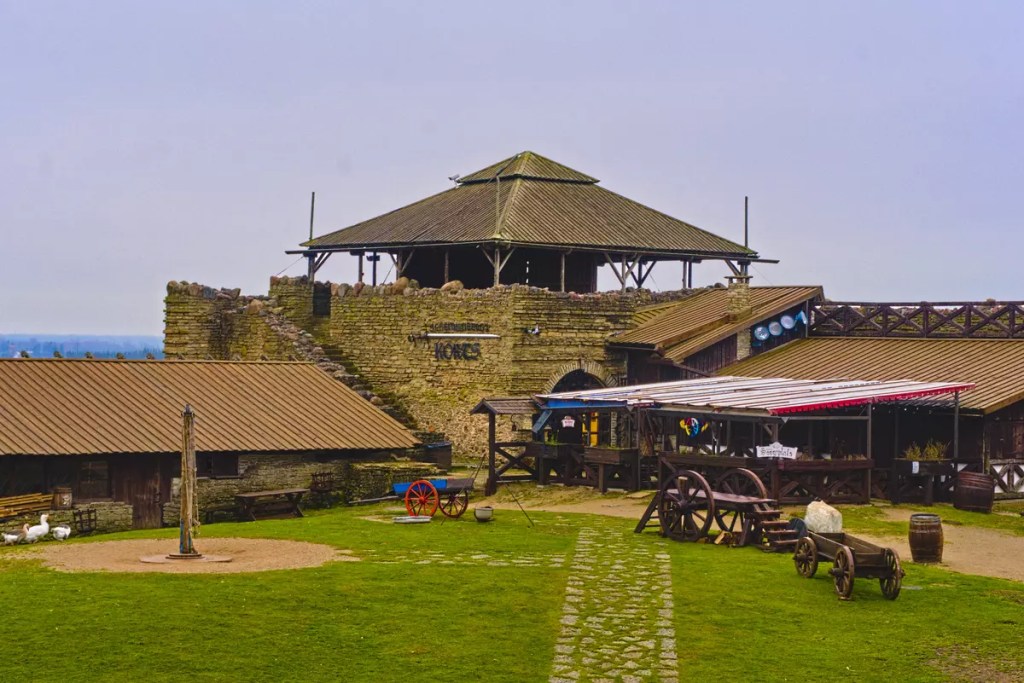
  • Rakvere castle
  • Rakvere castle

For more pictures, visit my page on 500px.com or Instagram.

Disclaimer: This post is based on my weekend trip to Narva in November 2023.

Šiauliai — a day trip from RIX

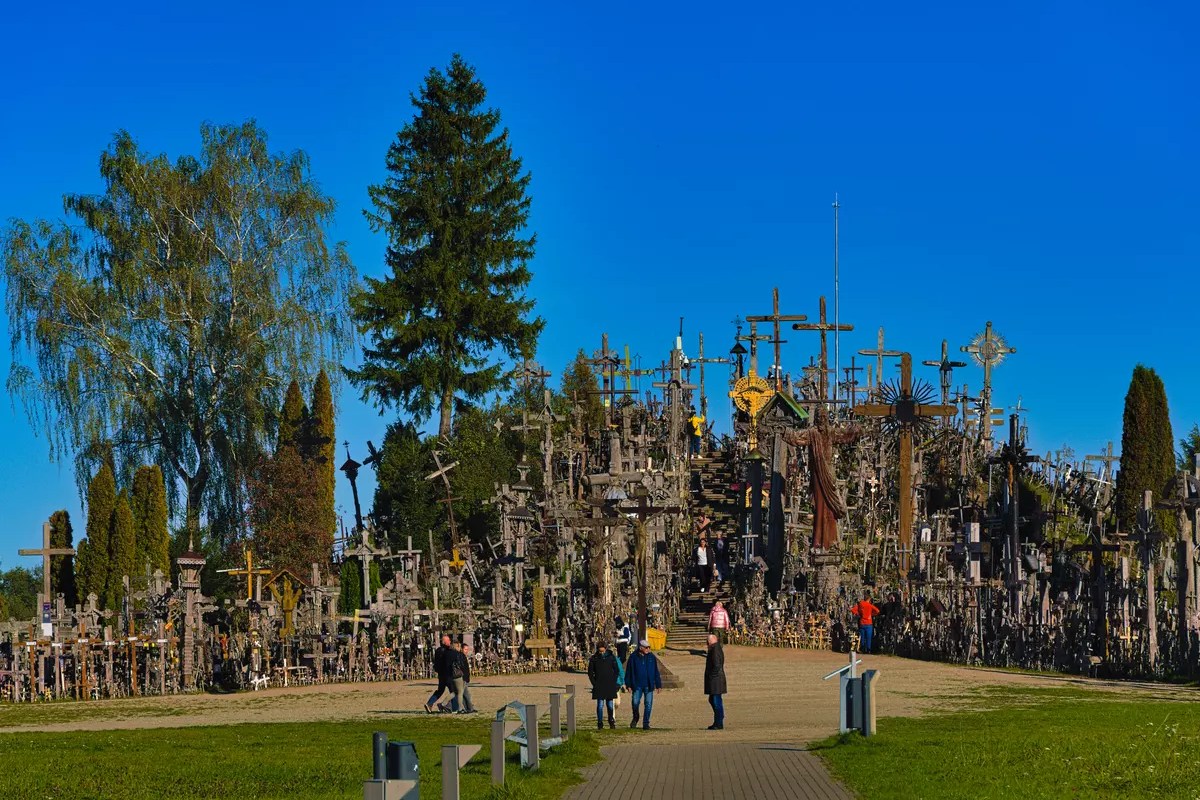
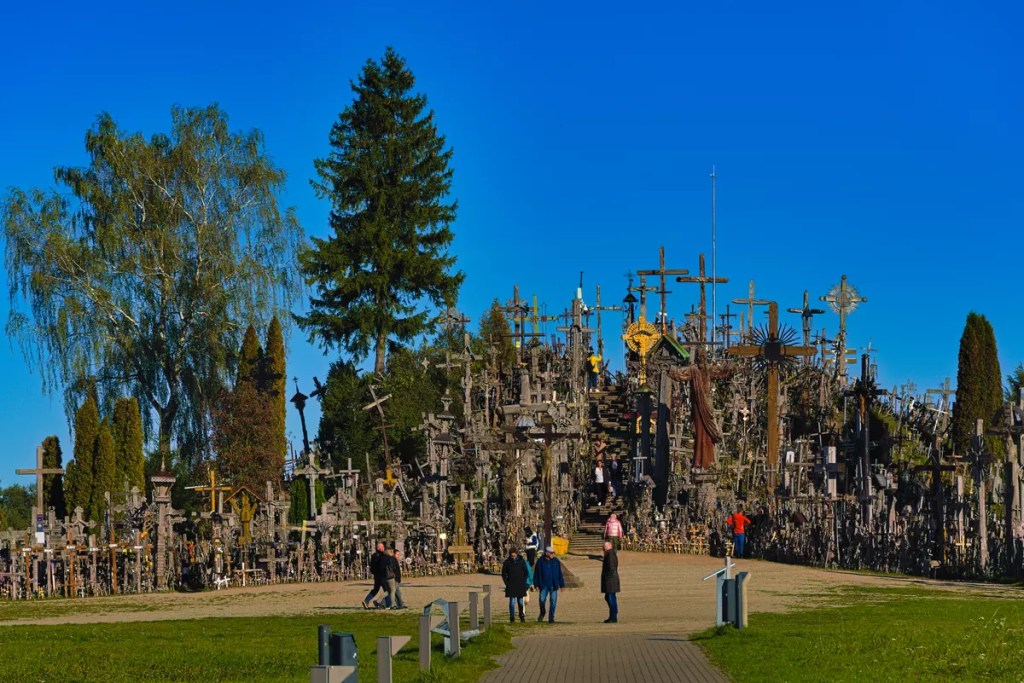
Hill of Crosses

This is one of the day trips that is made possible due to the free travel agreement within the Schengen area. A day trip that takes you across the border. From Latvia to Lithuania. From Riga to Šiauliai. Šiauliai is located in the northern part of Lithuania and is about 220 km from the capital city of Vilnius. It is the fourth-largest city in the country and the sixth-largest in the Baltic states. While the Vilnius-Trakai-Kaunas axis might be the most popular tourist destination in Lithuania, Šiauliai has found a place due to a unique attraction just outside of the city called the Hill of Crosses. It is located on the highway from Šiauliai to Riga making it closer to Riga than Vilnius. In addition, it was the timing of the available public transport that made it feasible to visit the Hill of Crosses from Riga during my 20-hour stop-over at RIX (Riga International Airport) while flying with Air Baltic.

What is the Hill of Crosses?

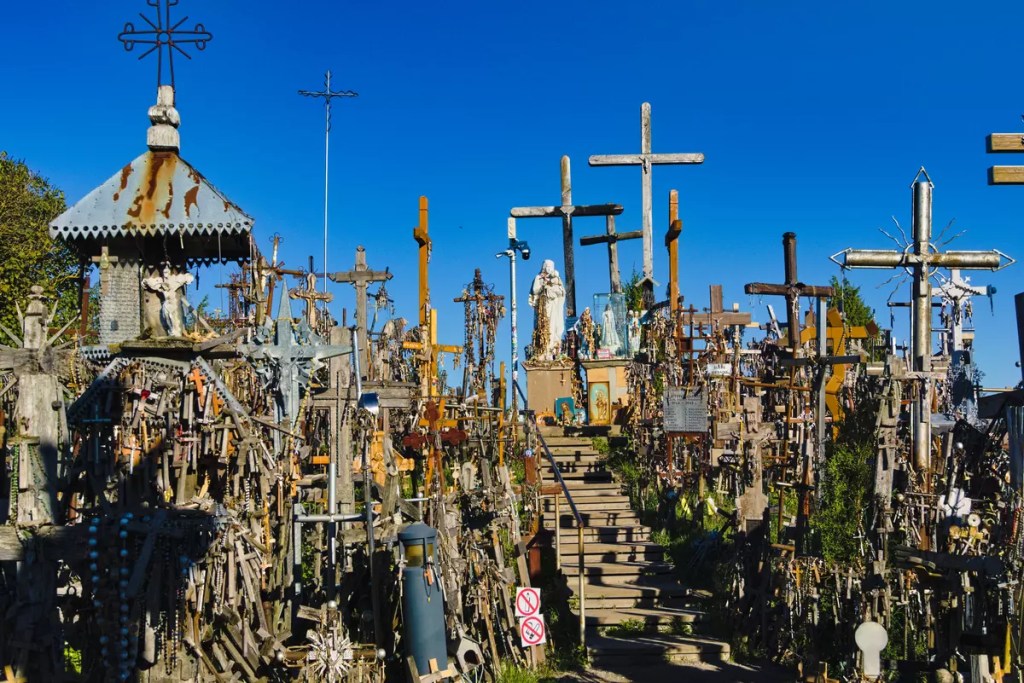
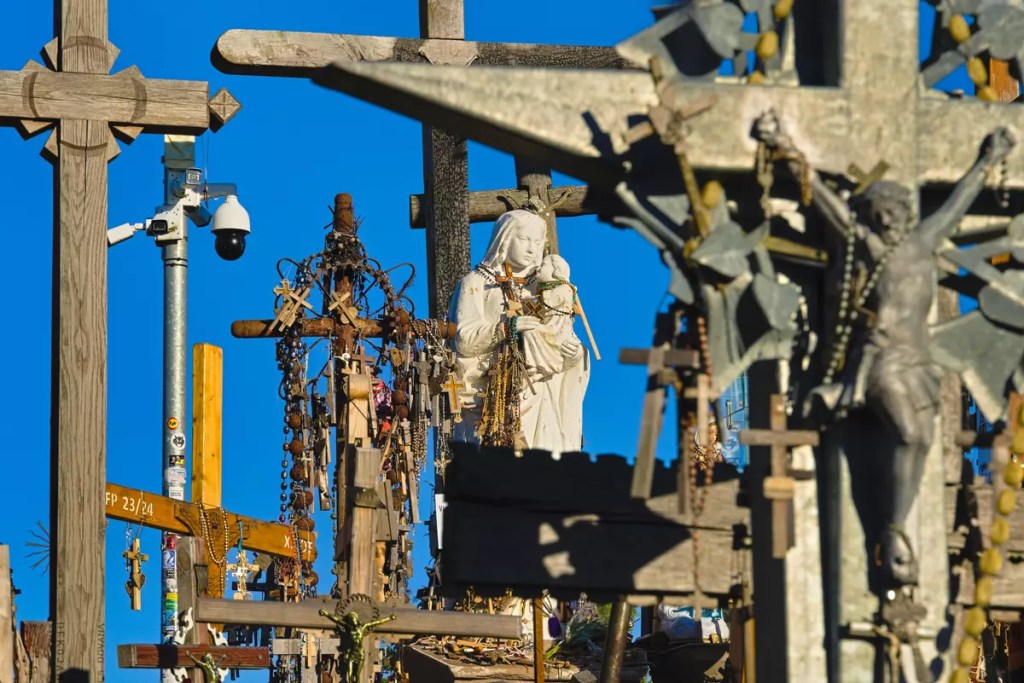
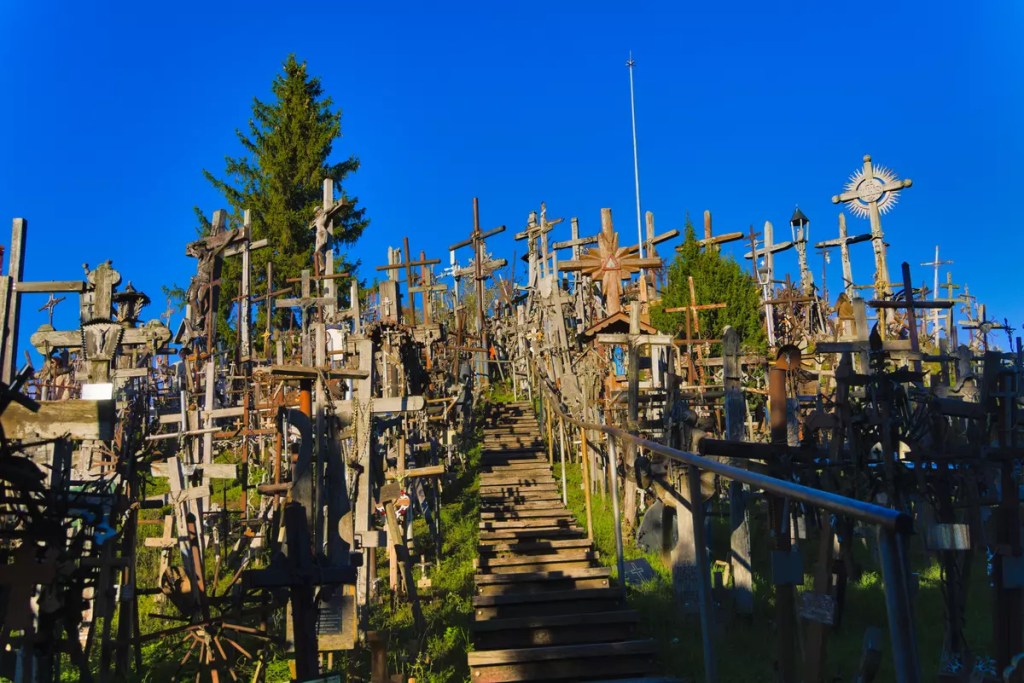
The history of the Hill of Crosses is believed to date back to the Polish–Russian War of 1830-31 although its first mention could only be traced back to writings from 1850. The first cross was supposedly placed at what was earlier the Domantai hill fort by the relatives of the victims of the rebellion. The number of crosses is understood to have increased further during another rebellion in 1863. Over the next few decades, the site became a symbol of the peaceful endurance of the Lithuanian people. This was however seen as a sign of resistance against the totalitarian government for the years following the Second World War when Lithuania was under Soviet occupation. During this period, the crosses at the hill were destroyed several times in an attempt to suppress any uprisings. When Lithuania finally regained its independence in 1990 and following the visit of the Pope in 1993, the place became a world phenomenon and the number of crosses exploded. Today there are an estimated more than 100,000 crosses on the hill with more being added every day and some withering with time.

How to visit the Hill of Crosses?

As mentioned earlier, the Hill of Crosses is located along the European route E77 in the direction of Riga from Šiauliai. From Šiauliai, you can take the bus that goes towards Joniškis and get down at Domantai bus stop. The Hill of Crosses Information Centre is 1.5 km from the bus stop. The bus runs at roughly one-hour intervals with possibly fewer trips on weekends. You can check the updated schedule on the autobusubilietai.lt website. It is possible to purchase tickets for some trips online while for others you will have to buy them from the driver with cash only. It is also possible to cycle from the city to the Hill of Crosses. There is a separate cycle and pedestrian route to the Domantai bus stop. City bikes can be rented from the Šiauliai Tourism Information Center located at the Šiauliai Boulevard.

The best and cheapest way to reach Šiauliai from Riga would be to use the FlixBus. There are usually a couple of departures every day and takes about two and a half hours. I took the one that left Riga Airport at 12:10 and returned from Šiauliai on the 21:40 departure. An alternate way to reach Šiauliai from Riga is on the LTG Link train service. However, there is seemingly only one service per day and is an expensive option. The train can be a better option if you are visiting Šiauliai from Vilnius as it takes about an hour less compared to the bus which takes about three and a half hours. The schedules for the trains and busses are available on the LTG Link and autobusubilietai.lt websites respectively.

A note of caution. If you are required to cross your border during your trip, it might be a good idea to carry your passport or other identification documents as there might be a random check.

What to do in Šiauliai?

I visited Šiauliai on a Saturday and had a few odd hours between 18:00 and 21:30 to explore the city exclusively. This, as you might guess, is not the best time to go sightseeing in a small city. Yet there are two things I could suggest doing to spend the hours before hopping on the bus to Riga.

Walk along the boulevard: The website of the Šiauliai Tourism Information Center mentions Šiauliai as the third city in Europe after Rotterdam and Erfurt to reclaim a part of street from the vehicles and turn it into a pedestrian boulevard. A short walk from the bus station, this is the part of the town where you would expect to see most people on a weekend. The nearly 1.2 km stretch of the Šiauliai Vilniaus Street, built in the 18th century, is today a place of leisure, recreation, entertainment and trade. The street has several cosy cafes and restaurants to explore.

Eat traditional Lithuanian food: Straight up I would like to recommend Restaurant Žemaitis if you are looking to try traditional Lithuanian food. This was one of the few places that was recommended to me by Google search and was open during my visit. If I had to rate it, I would give it 10/10 on all three aspects — food, atmosphere and service. I tried their soup kharcho and apkepti cepelinai. Cepelinai is regarded as the national dish of Lithuania. It is a grated or riced potato dumpling filled with ground meat and is served boiled or fried. Either way, it is a must-try when visiting Lithuania.

  • Hill of Crosses
  • Hill of Crosses
  • Hill of Crosses
  • Hill of Crosses

Check out more pictures from this trip on Instagram.

The only three places you need to visit in Copenhagen

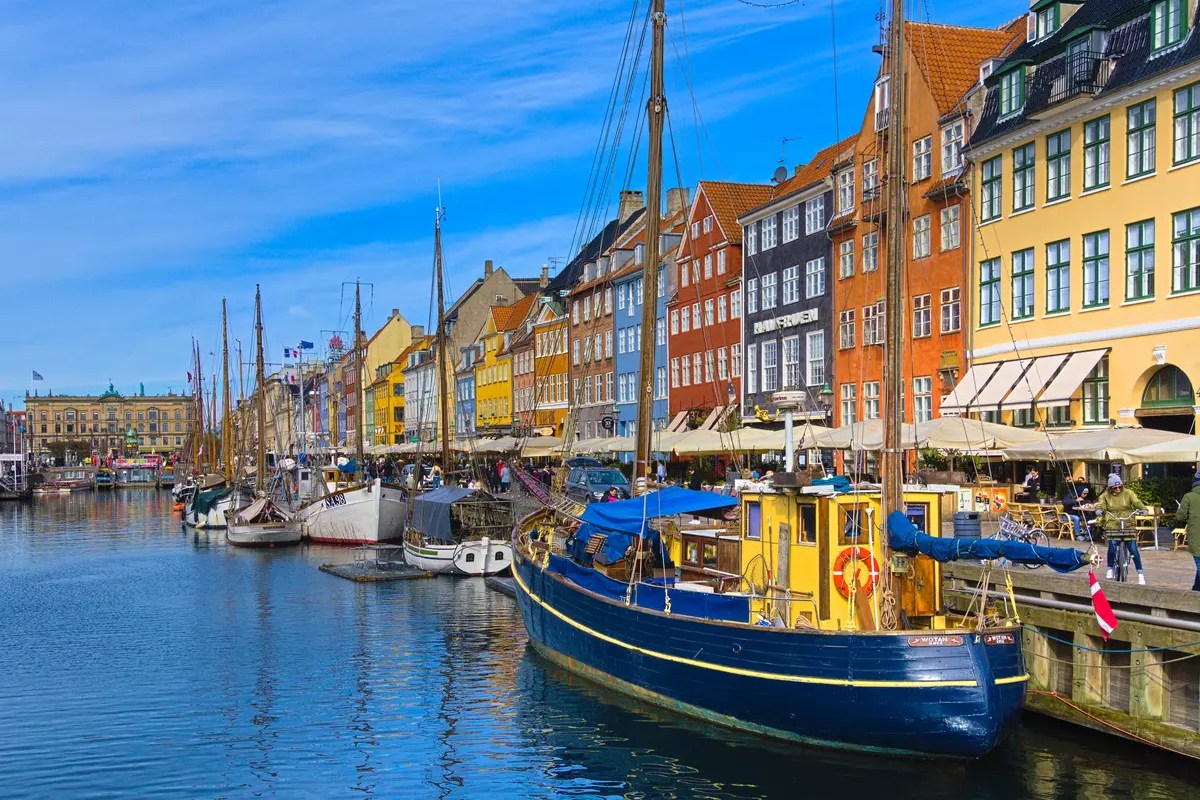
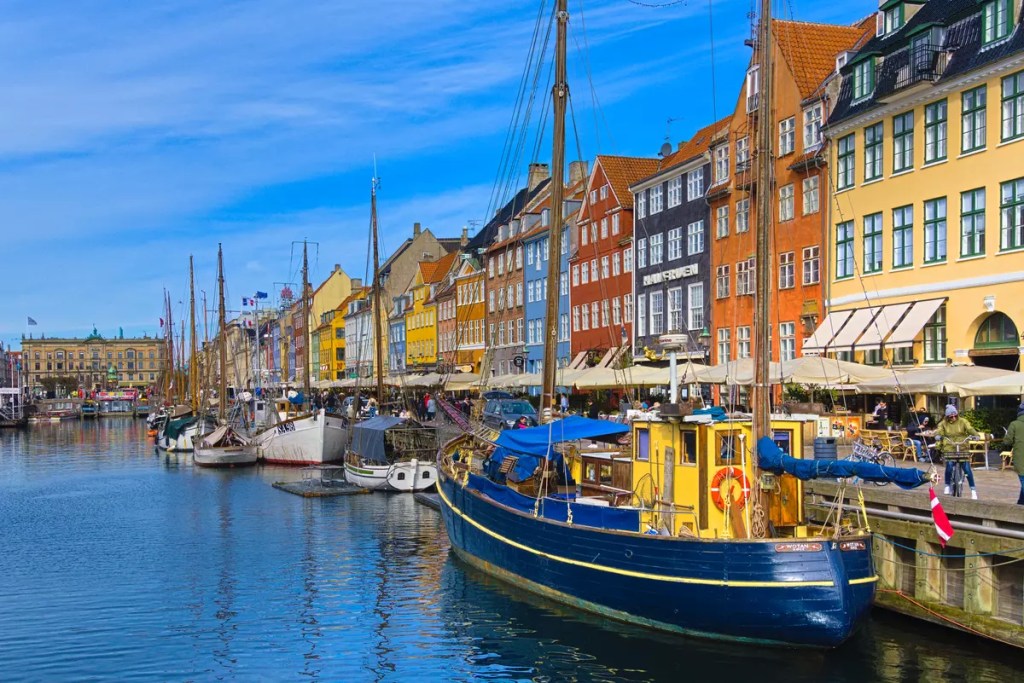
The colorful houses of Nyhavn

Nyhavn

This is the place from the classic picture of Copenhagen on Google search. The street with colourful buildings and canals and boats in it. Nyhavn is the Danish word for new harbour. The area dates back to the 17th century and was built as a gateway from the sea to the old inner city. Today, except for the sightseeing canal cruises no big ships enter this area. However, as a reminiscence of the old days, several historical wooden ships are harboured here. The other thing that adorns Nyhavn are its colourful buildings including one where the famous fairytale author Hans Christian Andersen lived. Most of these buildings now serve as restaurants and cafes spicing up the Copenhagen food scenes.

Reffen

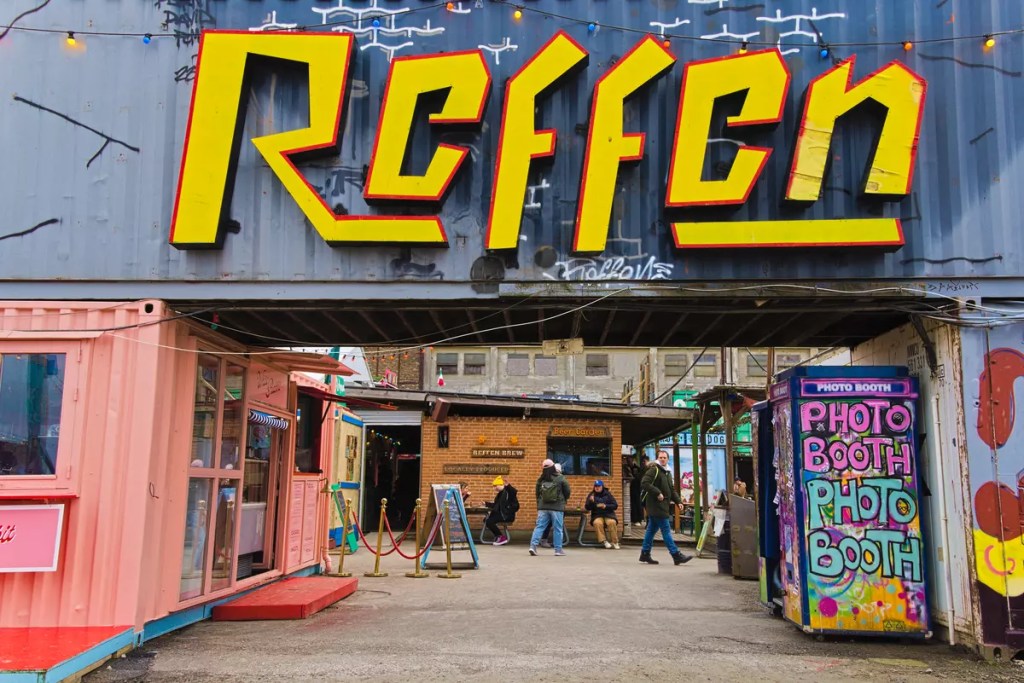
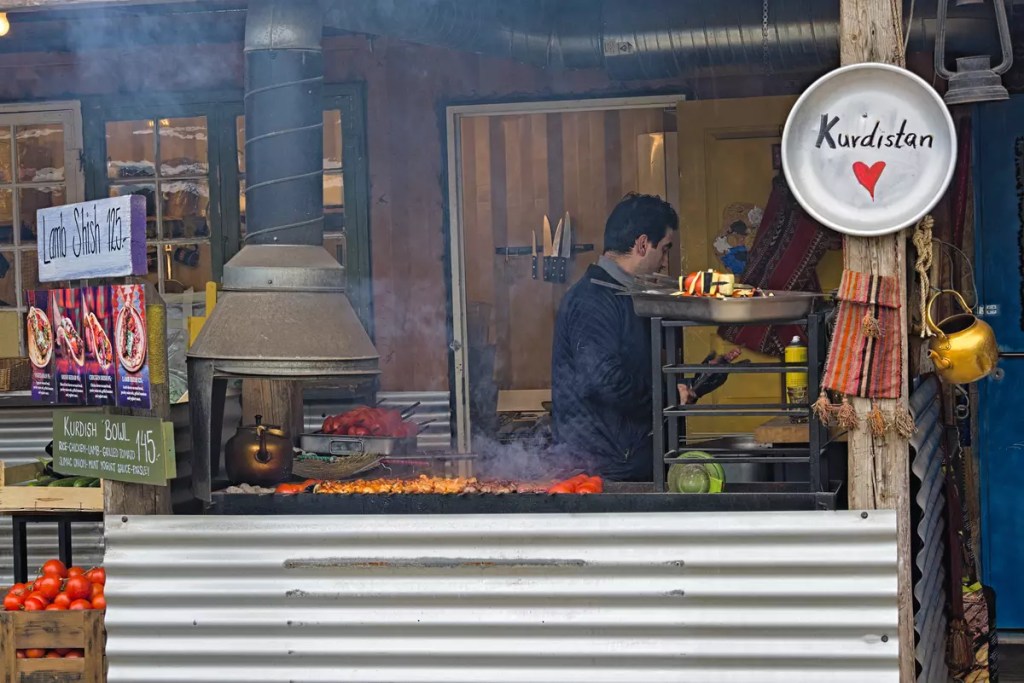
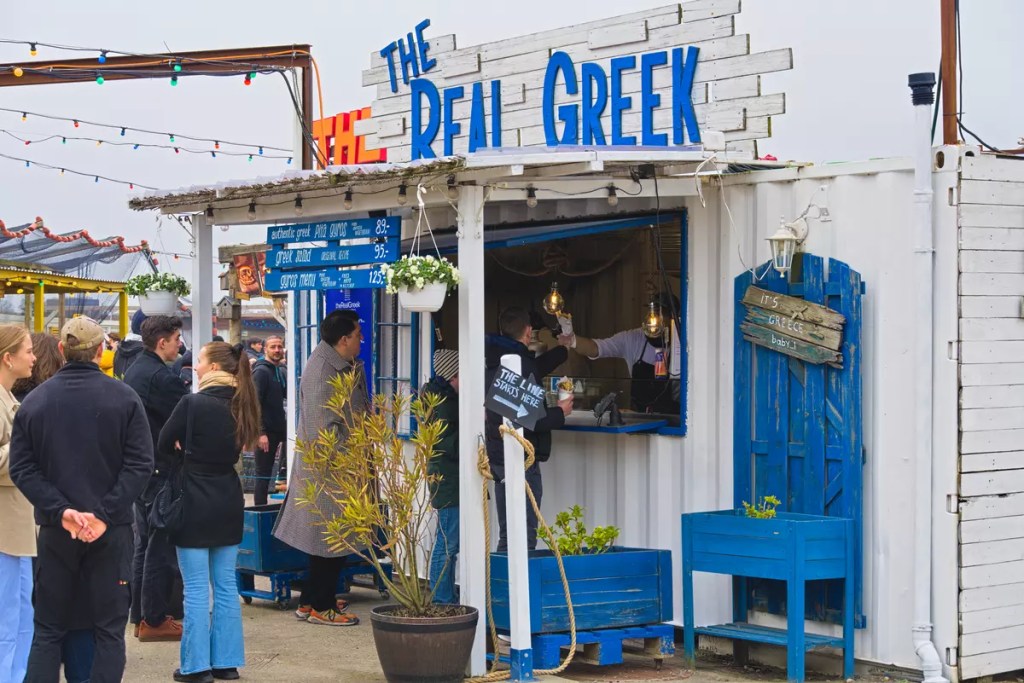
Talking about Copenhagen food scenes would be incomplete without Reffen. Reffen is the largest street food market in Northern Europe. It is a true melting pot of world cuisine. The spices have literally turned the old shipping containers and warehouses into a delicious must-visit place in Copenhagen. While in summer, you would be naturally attracted to the waterside open sitting area, in winter you can still enjoy the tasty foods inside its newest indoor sitting hall. Reffen is easily reachable from Copenhagen Central Station by bus number 2A. My top pick here that I would recommend to others is shish kebabs from a Kurdish stall called Gosht. Apart from this, the momo from Everest, BBQ and Bao from Manila Street and parmesan fries from Quick Bites were also worth a try. These were just four of the several stalls that I could taste during that one afternoon while leaving the rest for another trip.

Freetown Christiana

Between Nyhavn and Reffen is a place quite unlike the rest of the city. The Freetown Christiana is an independent commune that was started by a group of anarchists and hippies by taking over an abandoned military base in 1971. The Christianshavners, as the residents of this area would call themselves, are guided by their own rules and flag. Though this ‘social experiment’ was legalised in 2011, it has always remained in controversy due to the growing crime in the area. The commune is one of the largest tourist attractions in the city partly owing to the creative architecture of the houses here and partly due to Pusher Street, an area infamous for its open trade of otherwise illegal cannabis. However, as of April 2024, Pusher Street has been closed by the actions of the residents in an attempt to bring down organised crime. While visiting Freetown Christiana, you can opt for a guided tour of this alternative society by one of its resident members or go about a self-exploration of the creative housing, workshops, and eco-restaurants in the area. Please refer to the Visit Copenhagen website for more details of the guided tours.

Bonus:

If you feel that you still have an appetite to explore more of Copenhagen, then here are another three sets of places that you could visit.

Bakken and Tivoli: Copenhagen boast of some of the oldest still operational amusement parks in the world. Bakken has been in operation since 1583 while Tivoli was founded in 1843. The Tivoli Gardens is located right next to the Copenhagen Central Railway Station while Bakken is about 15 km from the Tivoli and can be reached by the C route of S-trains. Bakken operates on a pay-per-ride ticket. On the other hand, you will also need to pay to enter the Tivoli Gardens besides the tickets for the rides. The main attraction of Bakken, as far as I could say, is the nearly 100-year-old wooden roller-coaster. Would you dare try it?

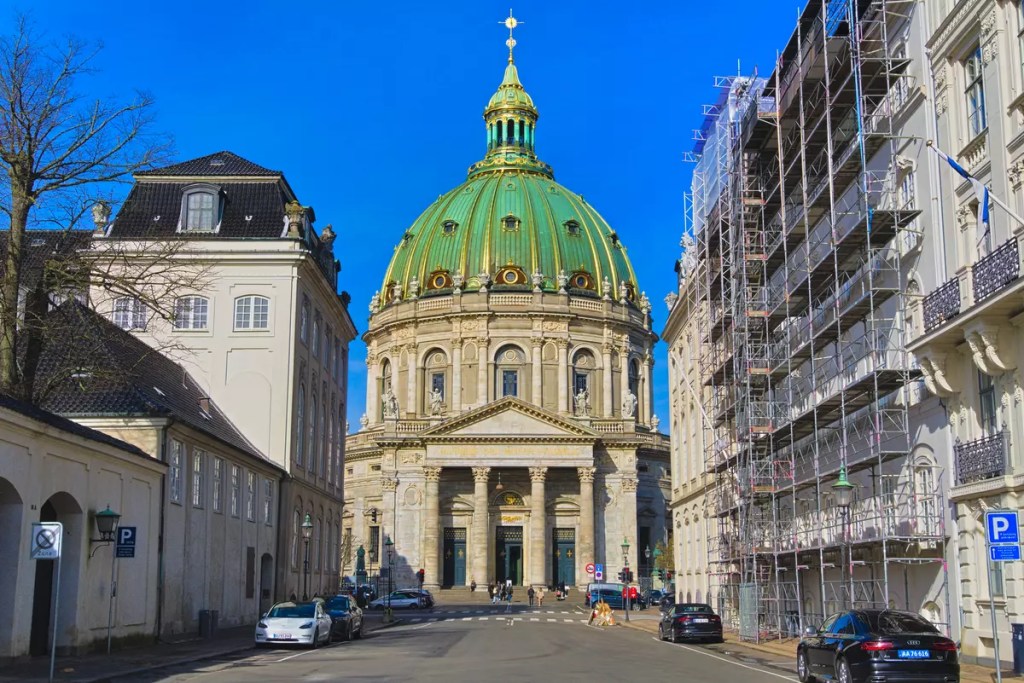
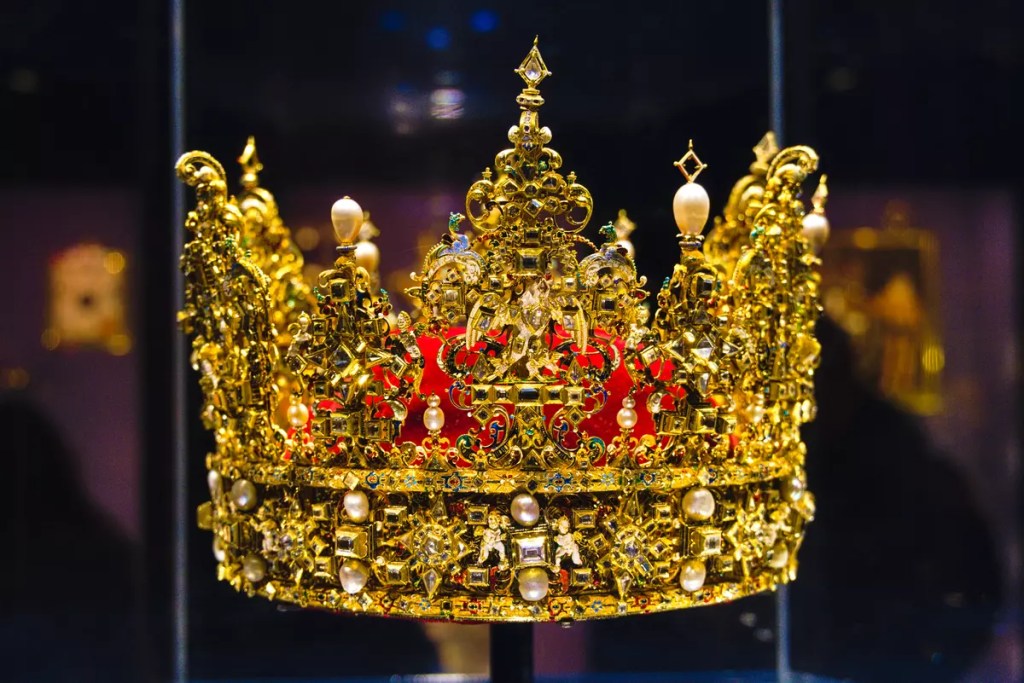
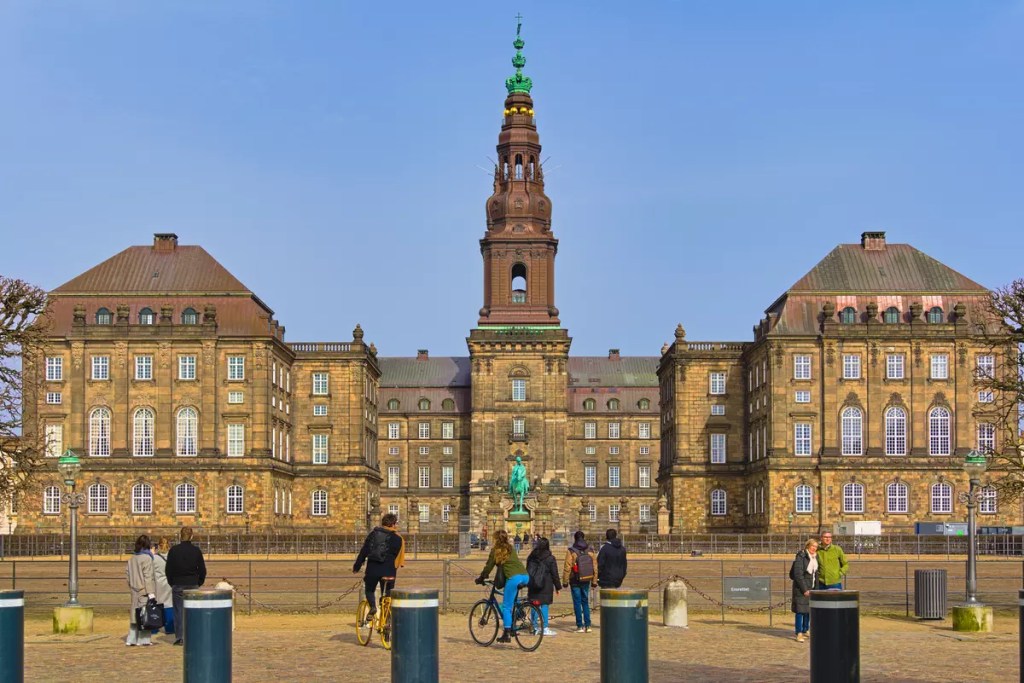
The Royal Triangle: Denmark is a constitutional monarchy and Copenhagen has been its capital since the early 15th century. Over its thousand years of history, it has grown from a small Viking fishing village to a modern metropolitan city of today. Traces of this long history are scattered around the city, especially in the form of its two palaces and a castle that I can call the Royal Triangle. The Rosenborg Castle built in the early 1600s as a pleasure castle is currently the home of Danish crown jewels. The 18th-century Amalienborg Palace is the official residence of the Danish royal family. The more recently constructed Christiansborg Palace is the seat of the Danish parliament. While each of these three places has a primary official function today, they also house a museum that tells the story of this historic city. Adjacent to the Amalienborg Palace is the iconic Marble Church whose blue dome is a distinct feature of the bird’s eye view of Copenhagen. If you are at the Amalienborg Palace at noon 12 o’clock you will be able to witness the changing of guards ceremony.

7-Eleven: I might have bragged about Reffen a bit too much here. I must admit that it is not just Reffen that has good food in Copenhagen. Even the humble 7-Eleven stores that can be found in every corner of the city have great baked delicacies to offer. During my stay, I tried a couple of different items from a couple of different 7-Eleven stores and each pick was a hit even though now I cannot recall the names of the things I ate. So if you are looking for a quick snack while exploring Copenhagen, head to your closest 7-Eleven store. (Note: this post is not sponsored by 7-Eleven!)

Pictures from my visit to Copenhagen are available on 500px.com and Instagram.

  • The colorful houses of Nyhavn
  • Reffen
  • Gosht at Reffen
  • Stalls in Reffen
  • Colorful housing in Freetown Christiana
  • Marble Church
  • The Danish crown
  • Christiansborg Palace