Dhanushkodi, located in the state of Tamil Nadu, is one of the officially declared ghost towns of India. The place lies at the southeastern tip of Pamban Island. The town was destroyed during the 1964 Rameswaram cyclone and remains uninhabited in the aftermath. An estimated 1,800 people died in the cyclonic storm on 22 December including 115 passengers on board the Pamban-Dhanushkodi passenger train. The entire town was marooned and the Government of Madras declared Dhanushkodi a Ghost town, unfit for living.
As of today, this ghost town has emerged as a popular tourist spot due to its connection with the great Indian epic Ramayana. Dhanushkodi marks the starting point of Adam’s Bridge or Rama Setu. The name Rama’s Bridge or Rama Setu refers to the bridge built by the Vanara sena of Rama which he used to reach Lanka and rescue his wife Sita from the Rakshasa king, Ravana. Rama setu may be just a mythical story but the presence of shallow land suggests the existence of a land connection between India and Sri Lanka.
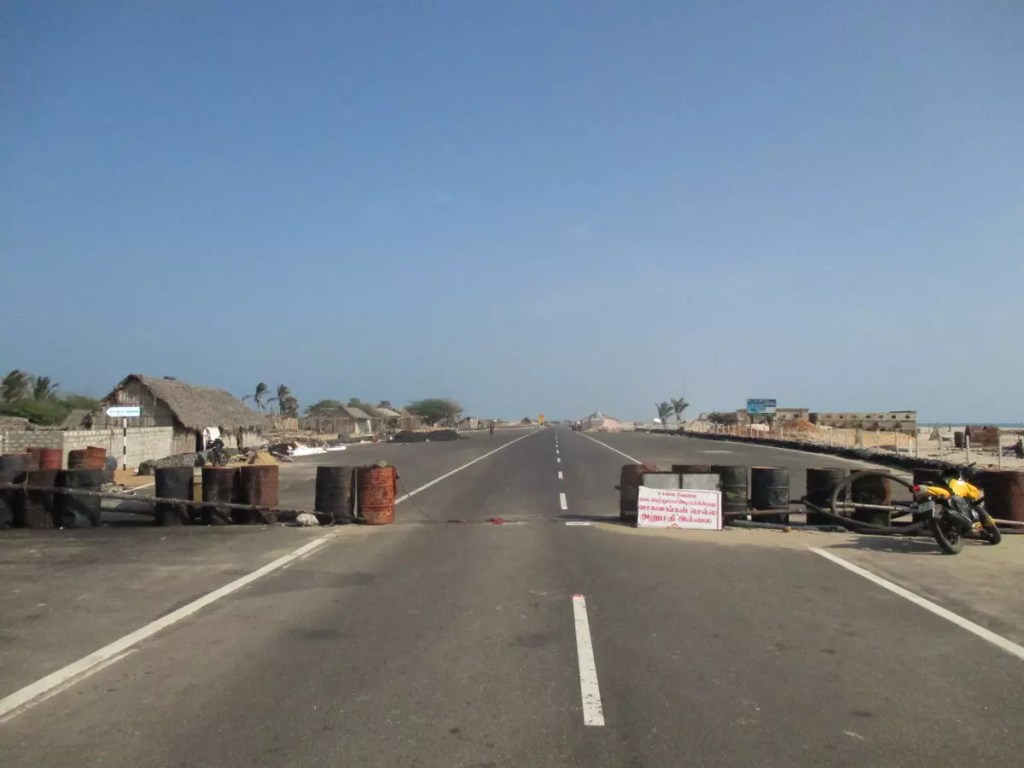
The nearest habitable town to Dhanushkodi is Rameswaram about 20 Kms away. Local buses operate at regular intervals to Dhanushkodi. Taxi on hire can also be easily found in the city to take a ride to Dhanushkodi. Since the road was destroyed in the fateful cyclone, vehicles are allowed to ply only till a police checkpoint From here the Dhanushkodi main town is 5 Km and another 5 Km to that is the last tip of the Pamban Island.
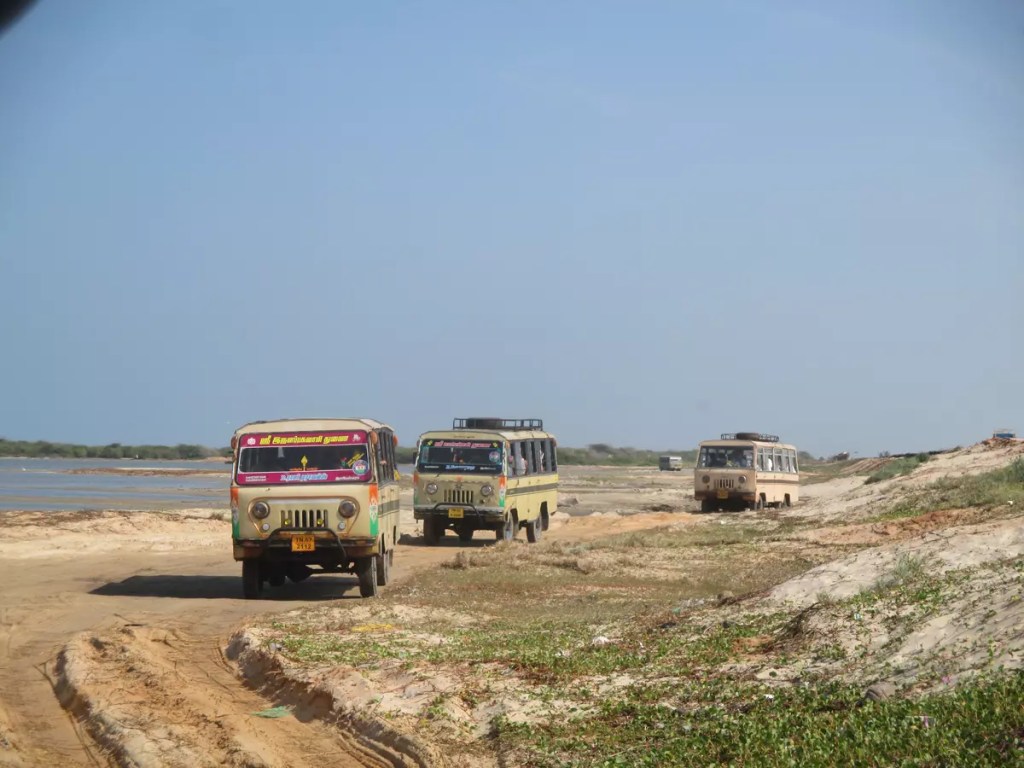
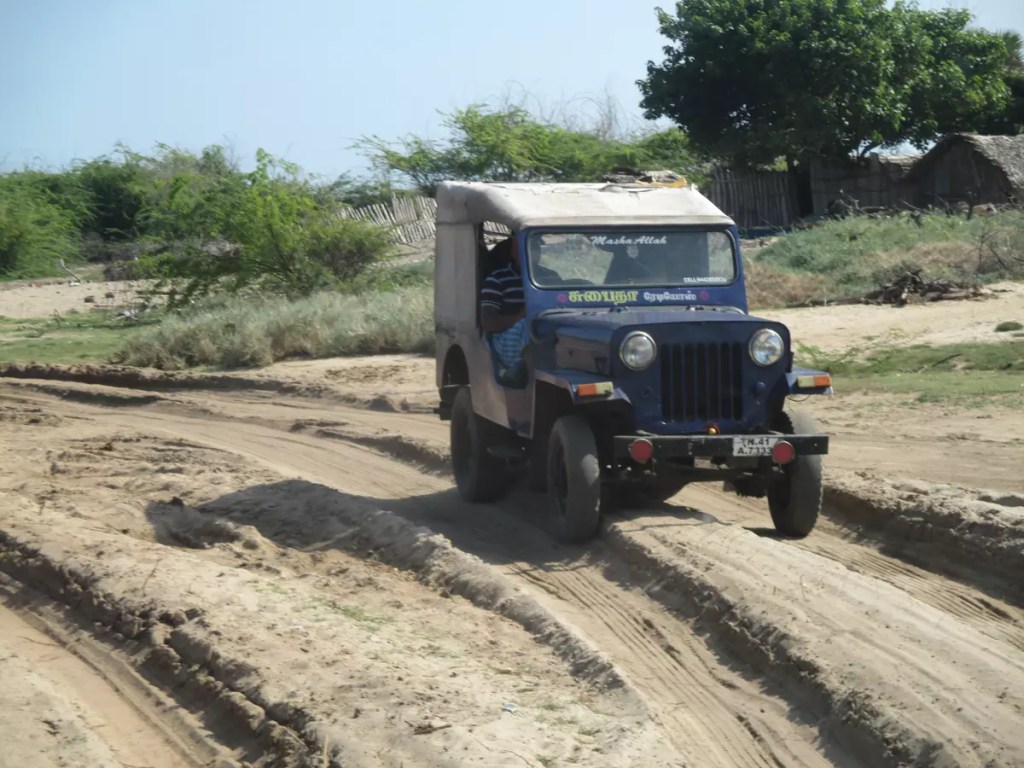
From the checkpoint, Mahindra Maxi cabs are available on share to cover the rest of the journey and this is where the dirt track of Dhanuskkodi is. This part of the island is extremely narrow and during high tides covers parts of the road. The track passes through the wet sand of Dhanushkodi. The Mahindra Maxi cabs are modified as 4 X 4 vehicles to cut through the wet sand. As per the vehicle owners, the cabs can serve only for 6 months in these conditions.
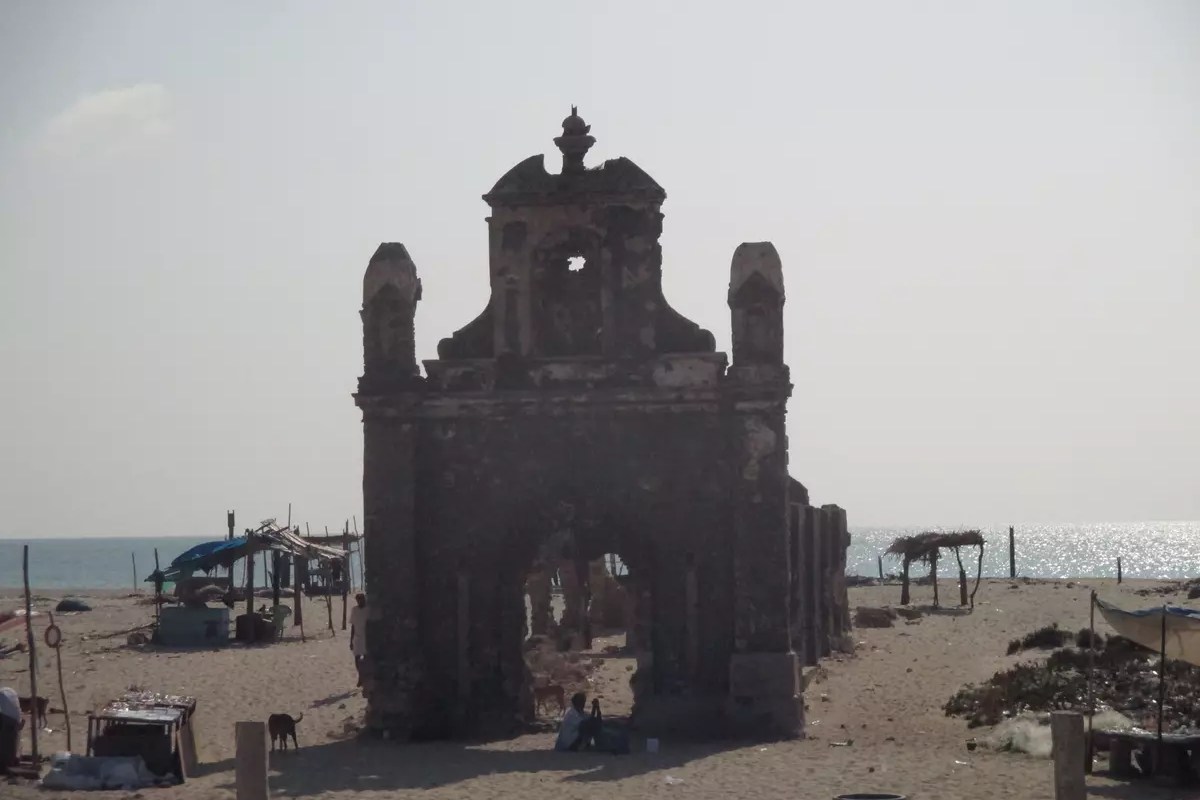
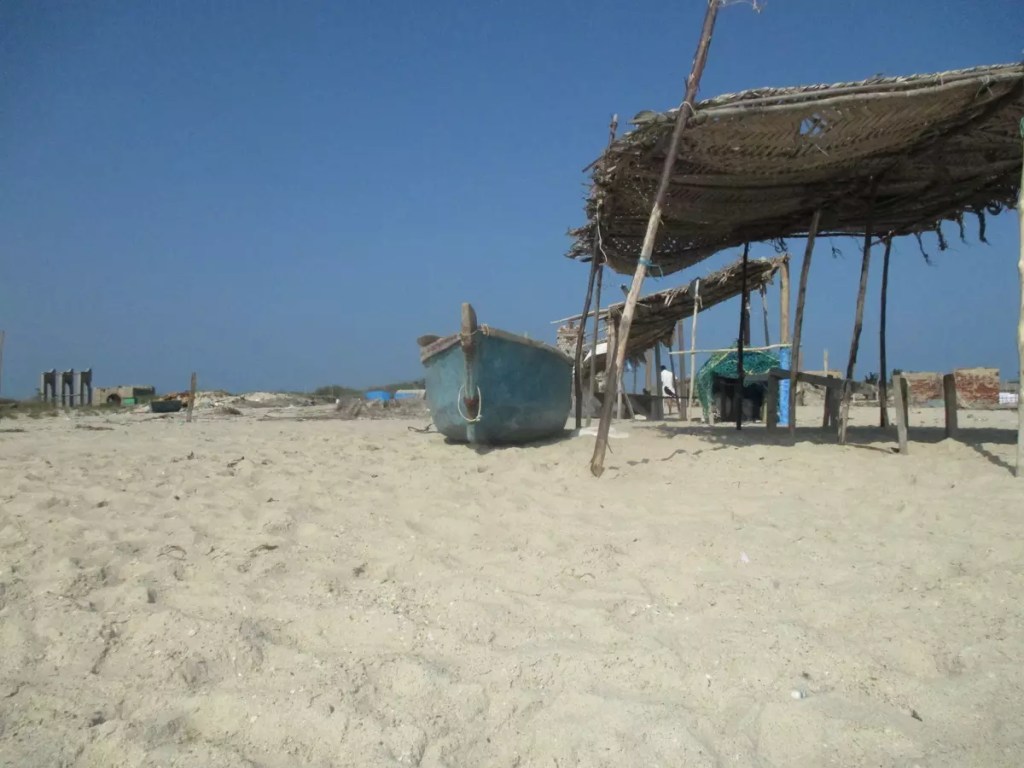
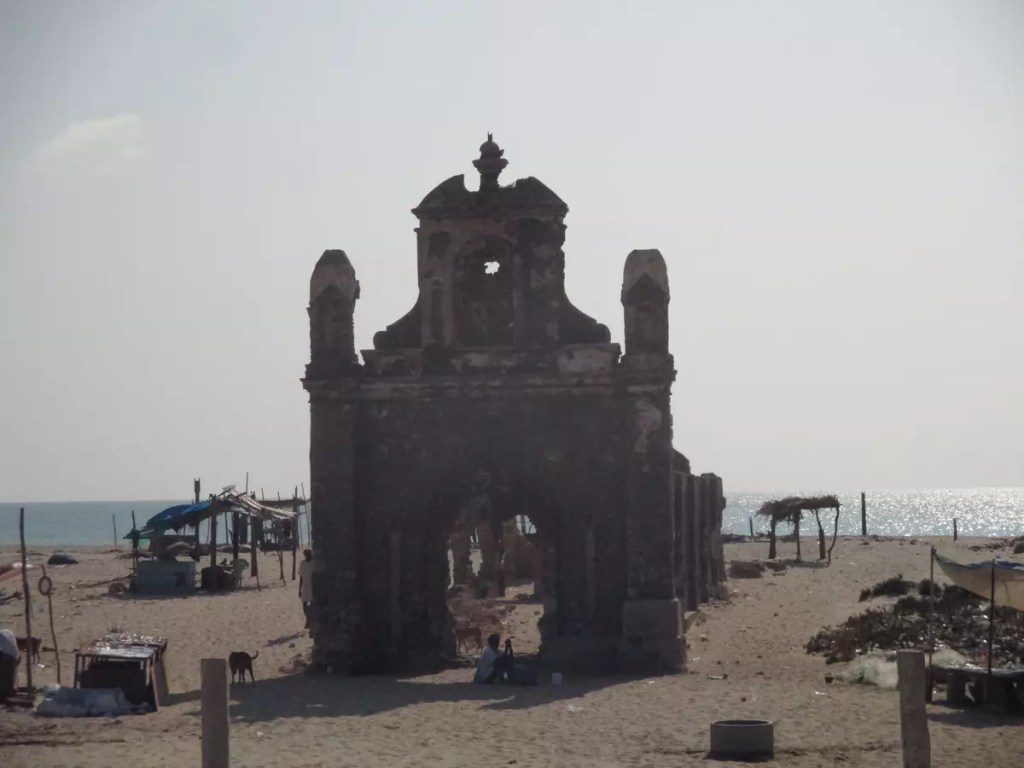
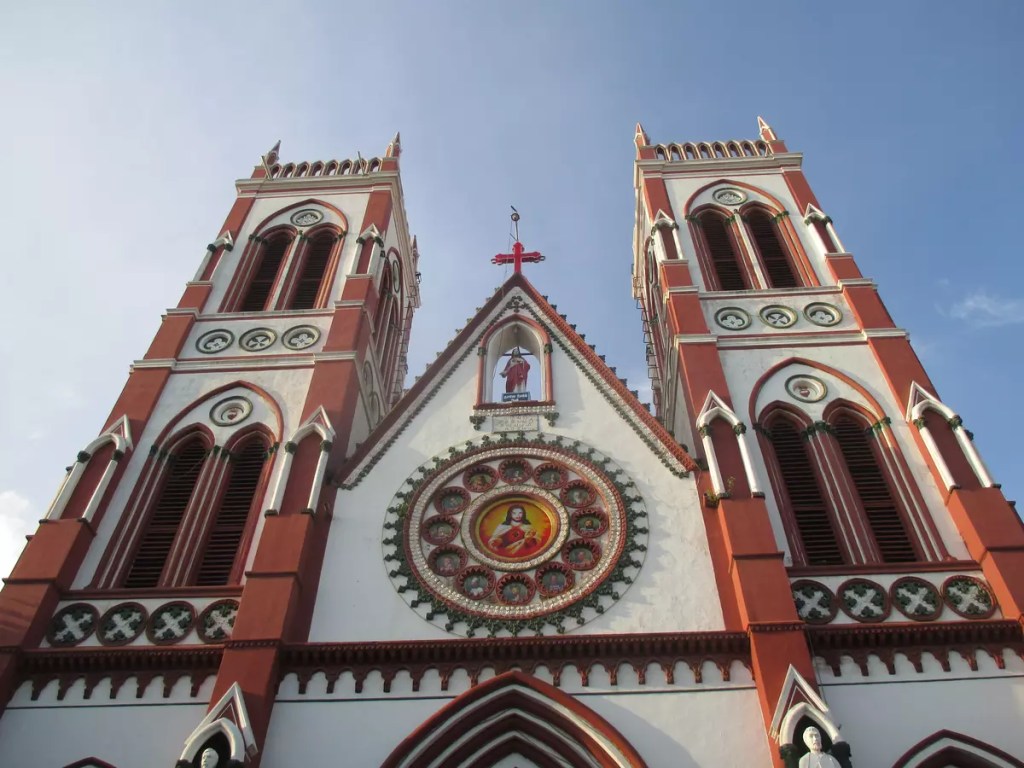
Covering the 5 Km distance can take up to 30 minutes. At Dhanushkodi one can see the remains of the old railway station, school, water tank and a few other buildings. A church on the shore may be the most recognisable structure in the erstwhile town. Due to the increased flow of tourists, small stalls selling snacks, sea shells etc have been set up by the locals.
As of January 2017, the National Highway 87 that connects the town was under restoration. It is expected to be completed by mid-2017. When completed one can take a wonderful ride to the tip of the island with blue sea on both sides of the road.
Pondicherry was on my cards ever since I settled down south here in Karaikudi. It was about 300km away but one year went by and it was still on the bucket list. September 2016. A three-day long weekend on Ganesh Chaturthi — I finally convinced myself of the trip.
2nd September 2016. Friday.
I boarded the Cape-Pondicherry Express from Karaikudi Junction at 7:40 pm. I had a waiting-list ticket which luckily had got confirmed to sleeper class (SL) upper berth.
Day 1. 3rd September 2016. Saturday.
Woke up at around 4:10am. The train was at halt at Villupuram Jn. Here the locomotive reverses its direction to pull away from the main route to Pondicherry. It was pitch dark but the Indian Railway vendors were already into business with their tea coffee.
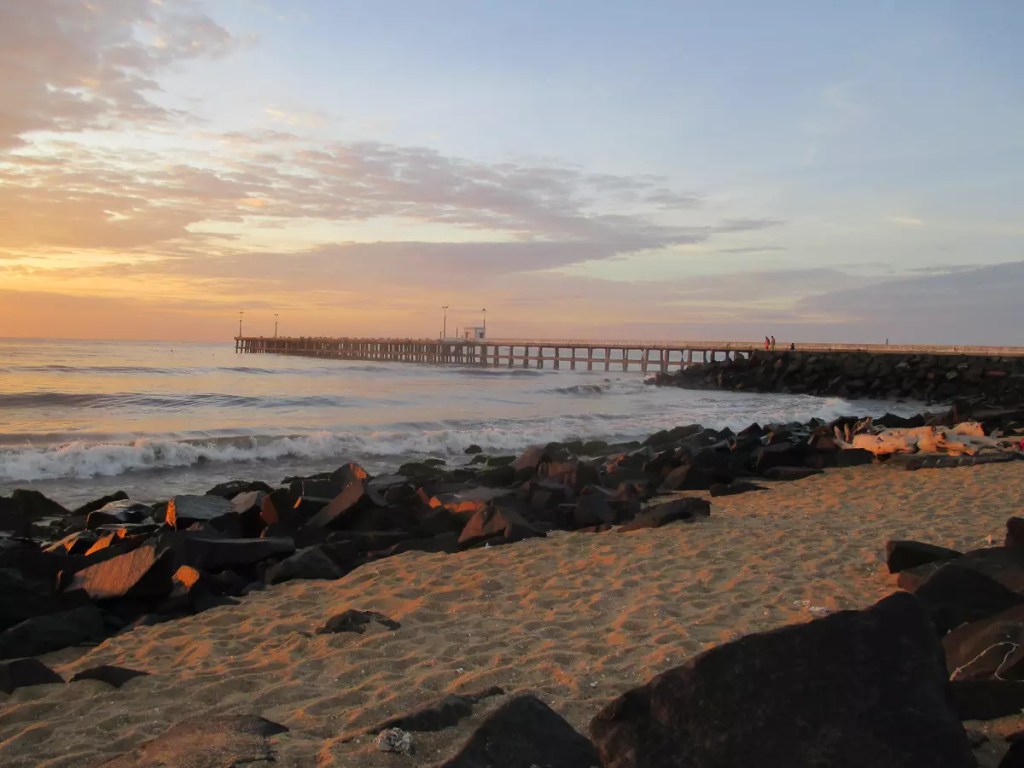
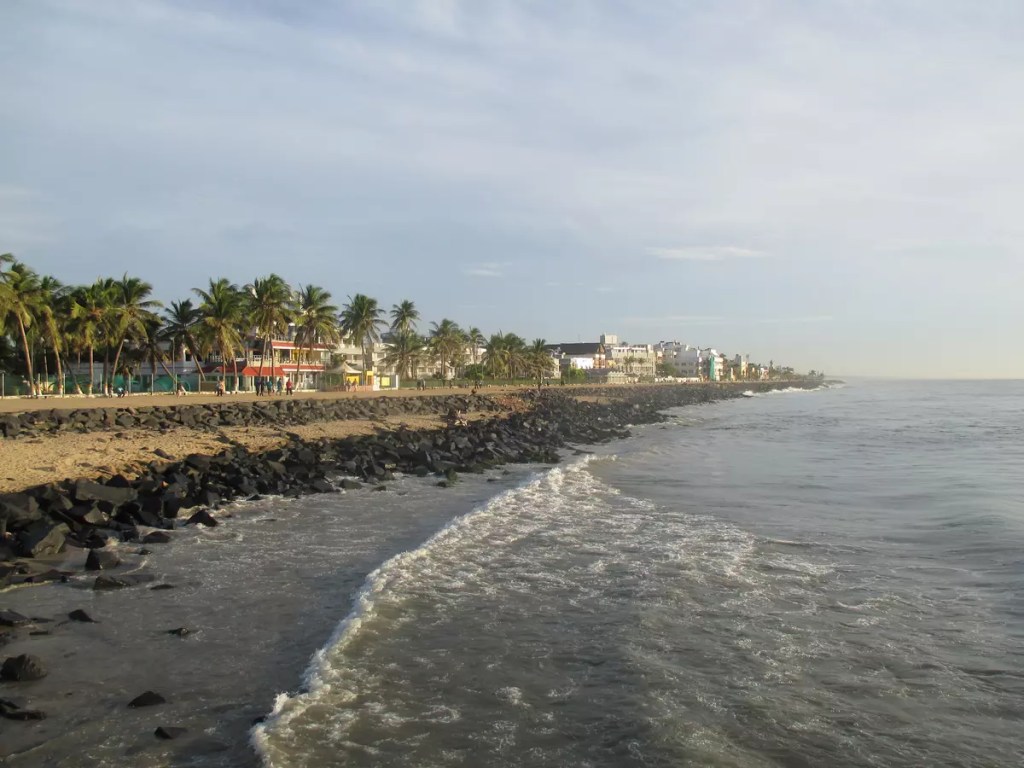
An hour more the train finally pulled into Puducherry station. I made it out of the station and headed to Rock Beach. As I walked the 700m distance I could hear the loud roaring of the waves and then the pitch-dark Bay of Bengal lay before me. The Goubert Avenue runs along the rock beach. No vehicles are allowed from dusk to dawn leaving it solely for pedestrians. The beach was pretty filled with early risers. I found a place to settle down at least till it was time for the guest houses to open.
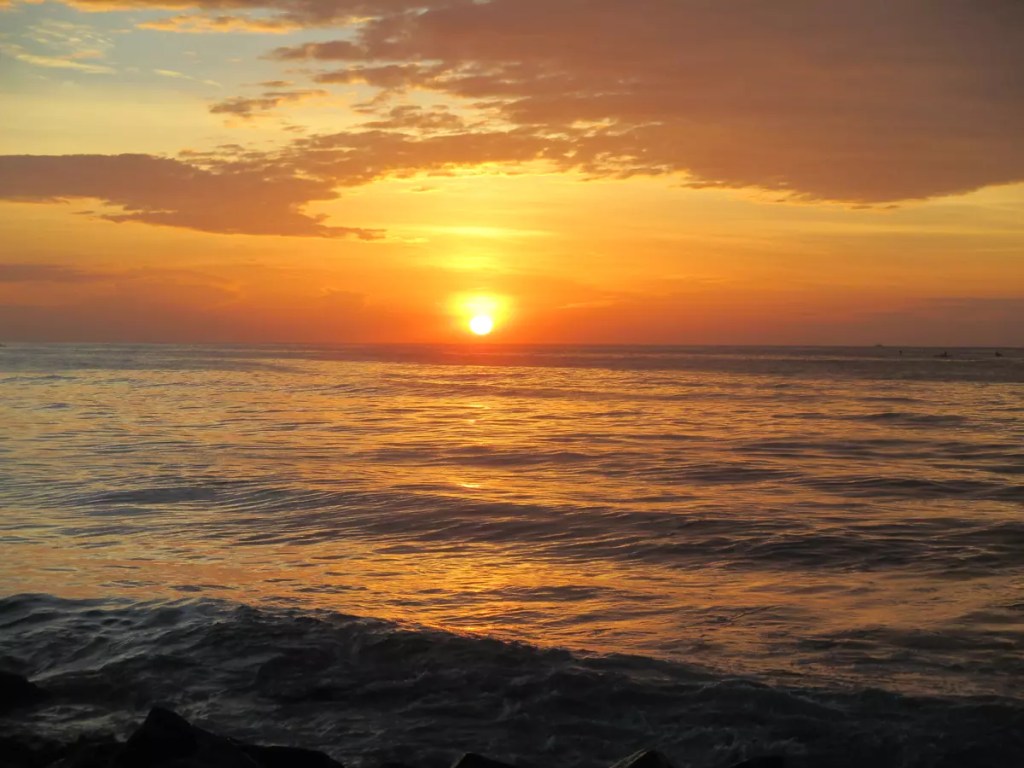
The view that started unfolding before me was something like straight out of a poem by Robert Frost or John Keats. Cool breezes were hitting me. The black sea slowly started turning blue as if an alchemy had been done. A few boats were in the sea and far on the horizon a patch of orange hue. Slowly it started to become brighter; filling the entire place with its vibrant energy. From Orange to yellow, it turned and the sky was clear blue. It took just a bit more than 2 minutes to declare it’s morning.
I took a walk to the famous Pondicherry bridge. Must it have been open one could take a walk far into the sea. But unfortunately, it has been closed to tourists.
I recharged myself with a cup of ginger tea and started my hunt for accommodation. The YHAI hostel was full for the extended weekend while the New Ashram guest house doesn’t provide a dormitory for one person. However, I was able to locate another dormitory at walking distance from the sea.
My first destination of the day was the tourist information centre on Goubert Avenue. The lady here generously explained to me about the layout of the city, the places to visit and the mode of transportation.
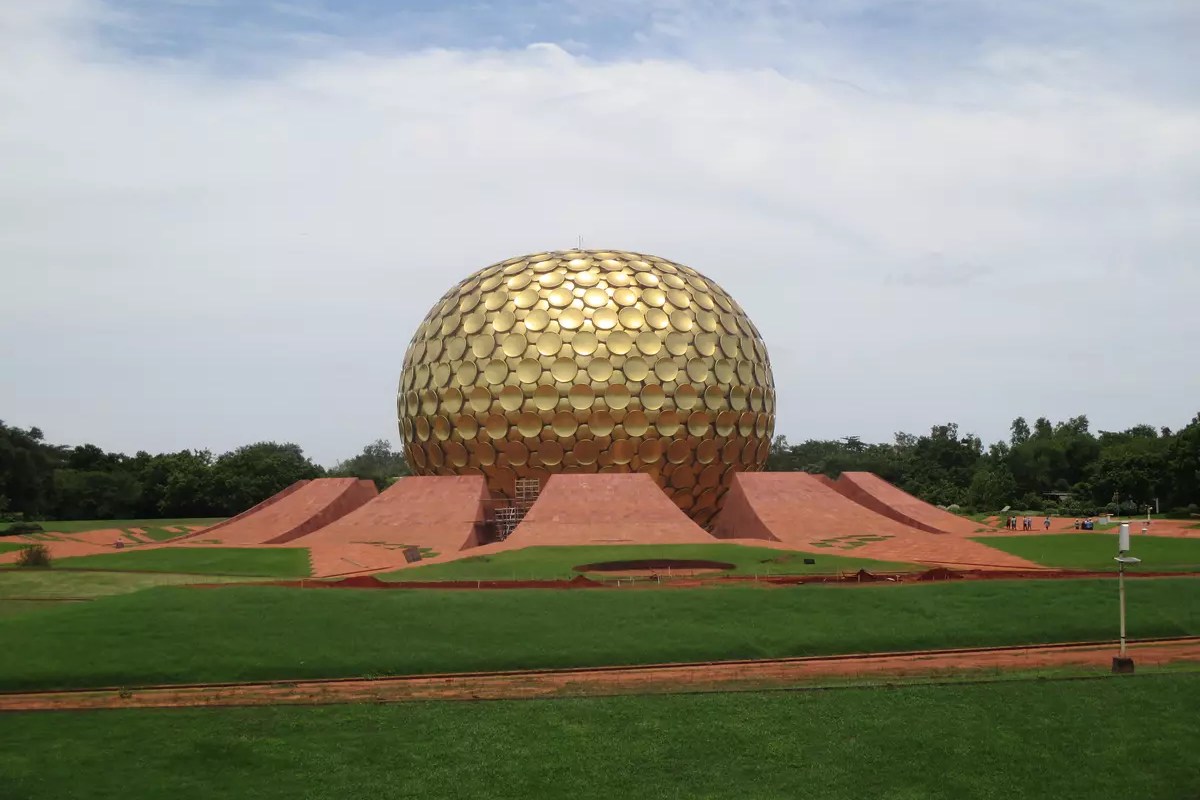
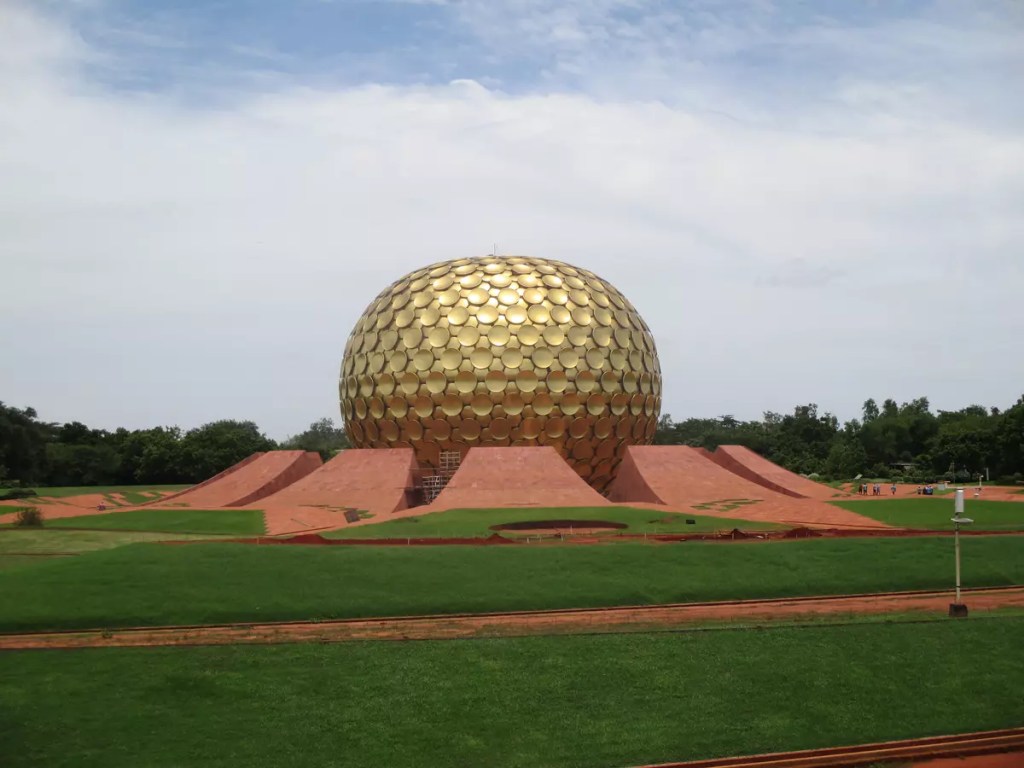
I decided to start my exploration by visiting the experimental town of Auroville, located about 14km North of the main city. I boarded a bus that ran along the East Coast road and disembarked at the Auroville bus stop. From here I had to continue in an auto to the visitor centre. Auroville is said to be an experimental town based on the principle of brotherhood. At the inauguration ceremony on 28th February 1968 representative of 124 countries and 23 Indian states placed a handful of earth from their homelands in a lotus-shaped urn at the centre of the future township, in a symbolic gesture of humanity. From being a barren plateau of largely red earth back then, Auroville has been transformed into a lush green landscape in which a city is progressively beginning to take shape, radiating out from its centre, the Matrimandir. Matrimandir is not a ‘tourist’ site; it is a place for individual silent concentration.
Visiting inside the Matrimandir requires a pass to be obtained in advance from the visitors centre. However, a daily pass is issued to view the structure from a viewpoint.
By the time I left Auroville, it was late afternoon. A friend joined me and on his advice, we headed to Rue Dupuy for a delicious full-course Bengali lunch complete with fish and sweets. The rest of the evening was spent lazing around the Rock beach.
Day 2. 4 September 2016. Sunday.
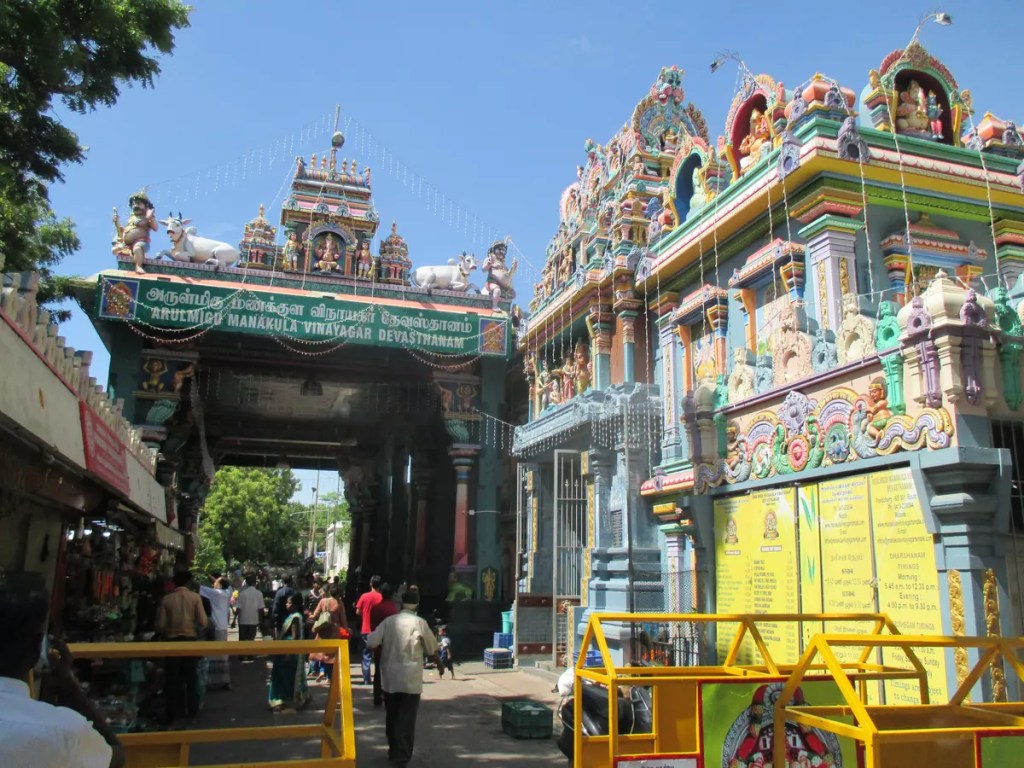
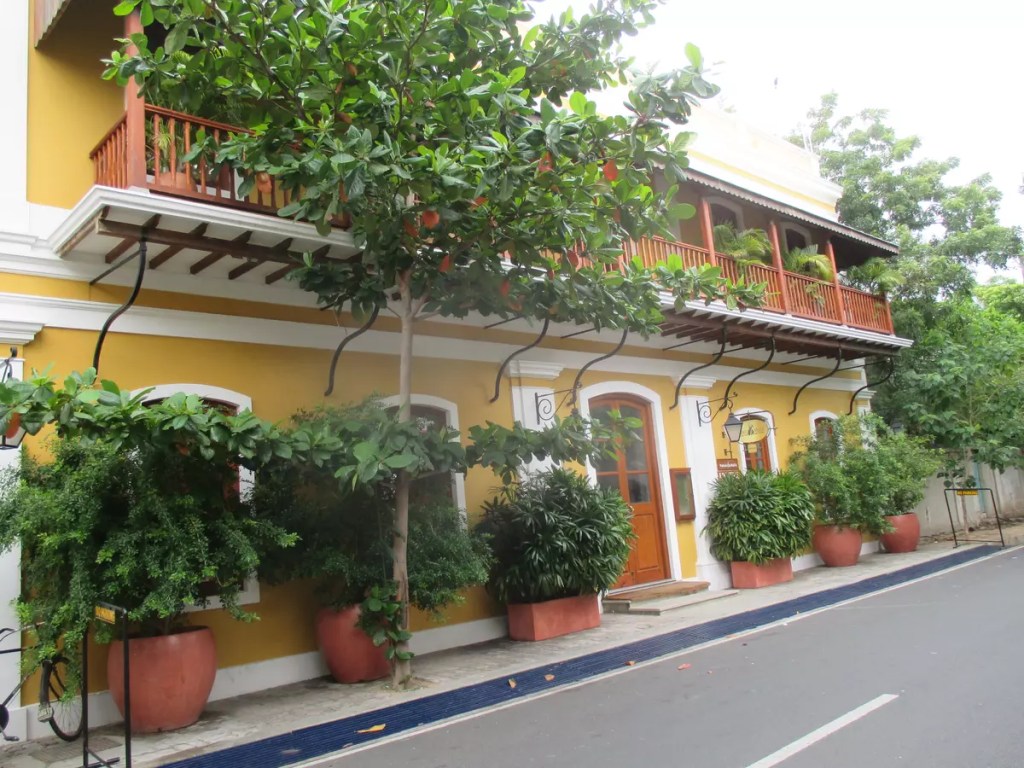
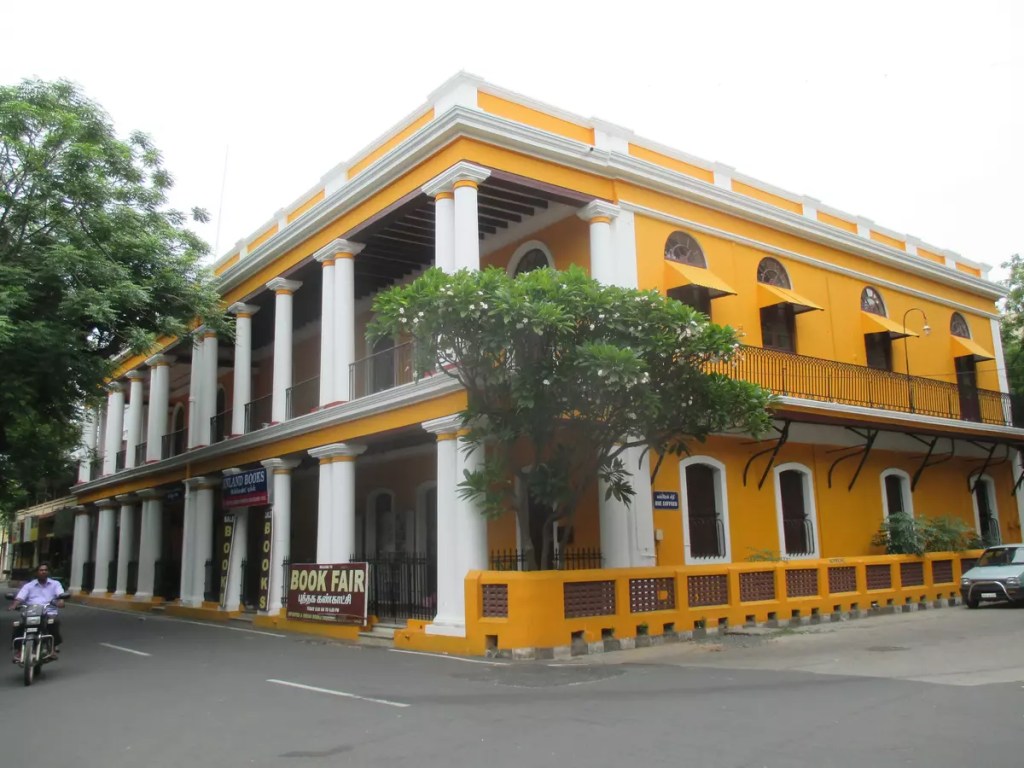
While scanning articles on Pondicherry I happened to get my hand on a map from INTACH about Heritage walks in Pondicherry. My day two was reserved to follow the trail and discover the city. I started at Notre Dame des Anges Church located near Rock Beach and passed through several other buildings like Alliance Française, Chamber of Commerce, Assembly, Manakkula Vinayaga Temple, Sri Aurobindo Ashram, museum, French Consulate and a few others. This trail covers the part of the town popularly called the White Town. It was/is this part where most French-style buildings can be found. You can find the trail map here. It is advisable to start the walk early to avoid the mid-day sun. It takes around two-three hours to complete the trail. restaurant in the French Quarter
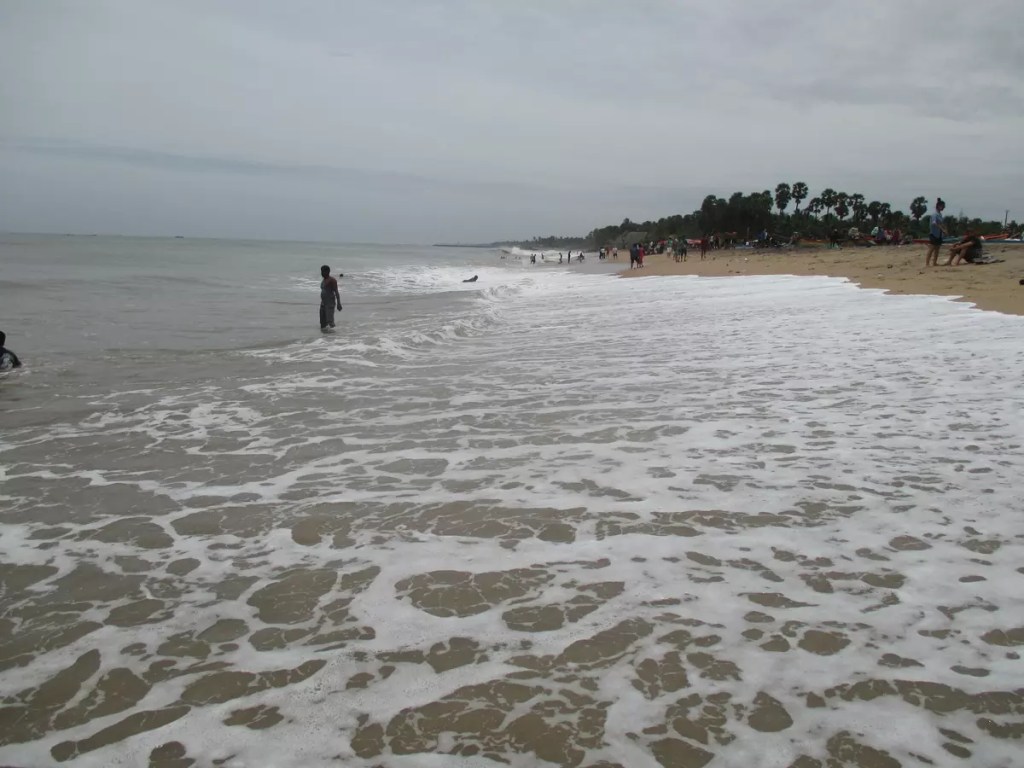
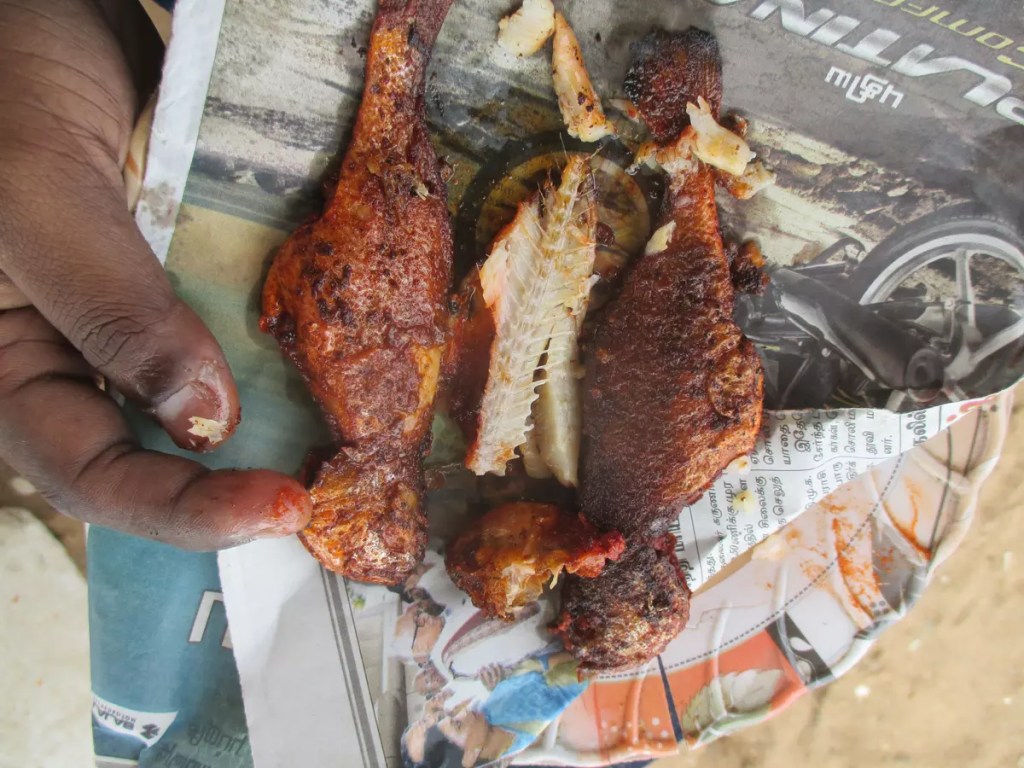
After completing the trail I headed to Auro Beach. This is a fisherman’s beach with lots of stationed boats and a few stalls selling fresh fried fish. The tides at this sandy beach are very calm and ideal for getting wet.
Pondy Photo 2016 — a photography exhibition was being held during the time I was visiting. The exhibition had displays all over the town in art galleries, roadside walls and the main festival venue the old port of Pondicherry. The theme of the year’s exhibition was water. The dilapidated buildings of the old port area were turned into a perfect setting for displaying photographs and installations.
Free advice: Sunday in Pondy is a good day for street shopping.
Day 3. 5 September 2016. Monday.
Final day. My plan was to spend the day at Paradise Beach about 7km outside of the city centre and then take a train back to Karaikudi. Paradise Beach is a private beach and has strictly controlled access. The beach is accessible via boats from Chunnambar Resort on Pondy-Cuddalore Road. As I reached the place I was told that the beach was closed for maintenance.
With no intention to go back to the city, I headed to Chidambaram to visit the famous Nataraja Temple. This is one of the few temples where Lord Shiva is present in his Dancing Avatar. Yet again I was able to reach the temple just a few minutes after it shut the gates for lunch. The gates would reopen only at 4.00 pm in the evening. With not much time in hand, I decided to visit it another time. I headed to the bus stop to board a bus to Trichy from where I would be able to continue to Karaikudi. My bus to Trichy decided not to go further than Kumbakonam and I had to get another bus to Trichy.
From Pondicherry to Karaikudi I had to change four buses travelling a much longer route than usual. A day that was planned to be in Paradise turned out to be a day of bussing across Tamil Nadu. I reached Karaikudi at around 11.00 pm.
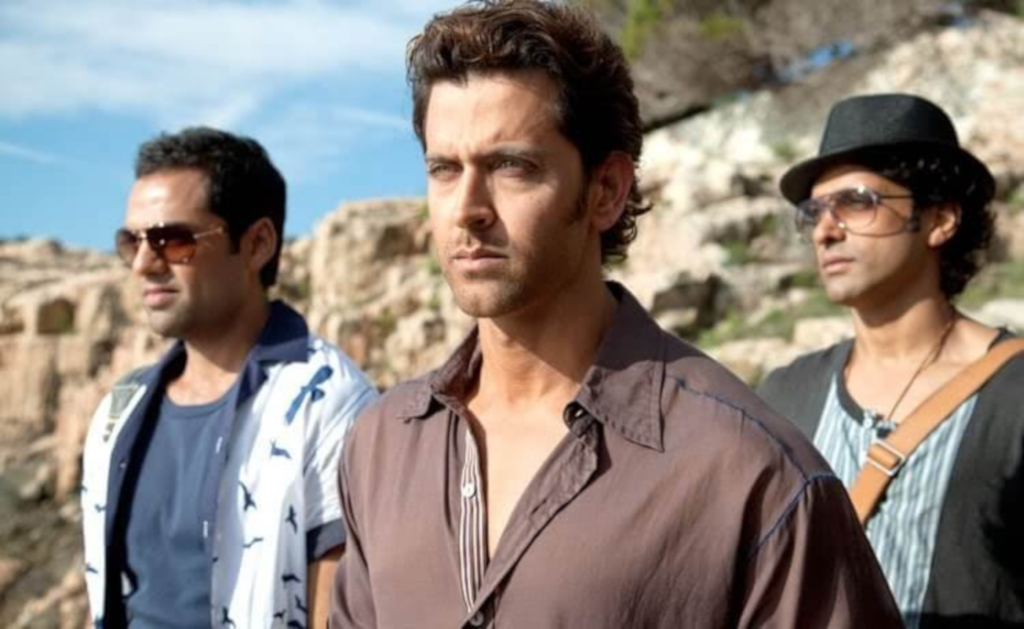
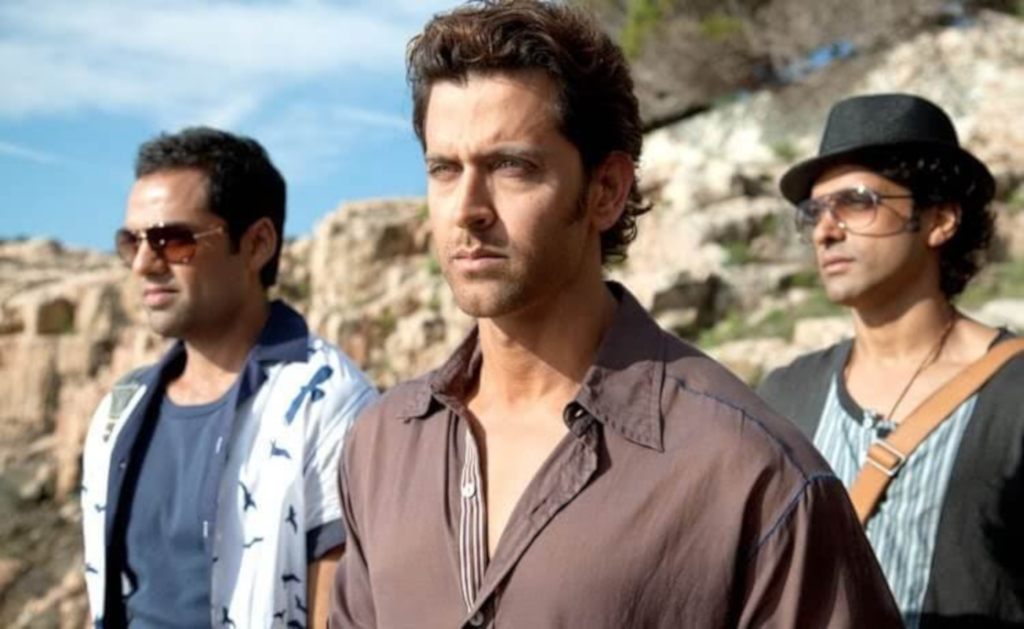
ZNMD. This movie must have inspired countless souls to travel. Why not? The road trip that Imran (Farhan Akhtar) & his school time buddies Kabir (Abhay Deol) & Arjun (Hrithik Roshan) take across Spain is simply breathtaking. Cherry on the top. The surprise sport. Each one would choose one sport and the other two had to participate. Deep sea diving in the coral reefs of Costa Brava, La Tomatina festival in Buñol, Seville for sky diving and the climax bull run in Pamplona. It must have at least once got into the mind to go and try it ourselves. But! Spain it is. Passport, visa, flights – the cash crunch is gripping tight. Maybe someday (which may never come) when I have sufficient money I will go. But for now, I was looking for jugaad to this experiences within India and surprisingly it exists.
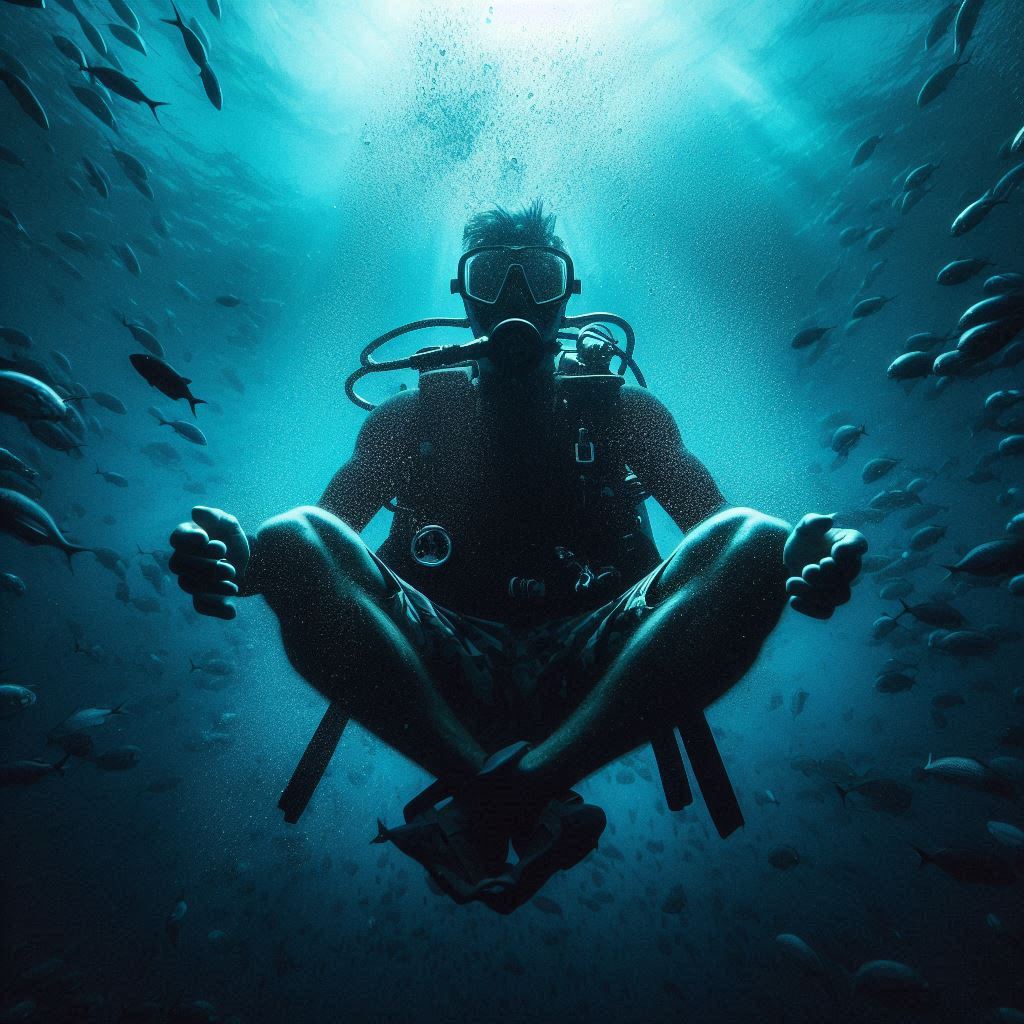
Deep sea diving
About 7500 km coastline, 2 seas, 1 ocean, 2 island clusters and 0 deep sea diving spot. This is hard to believe. Beyond the beautiful beaches is a territory less ventured. Deep sea diving spots are spread almost throughout the entire coastline and the two island clusters. The top seven spots according to Triphobo are Havelock Island, Lakshadweep, Goa, Pondicherry, Islands of Netrani, Malvan and Kovalam.
La Tomatina
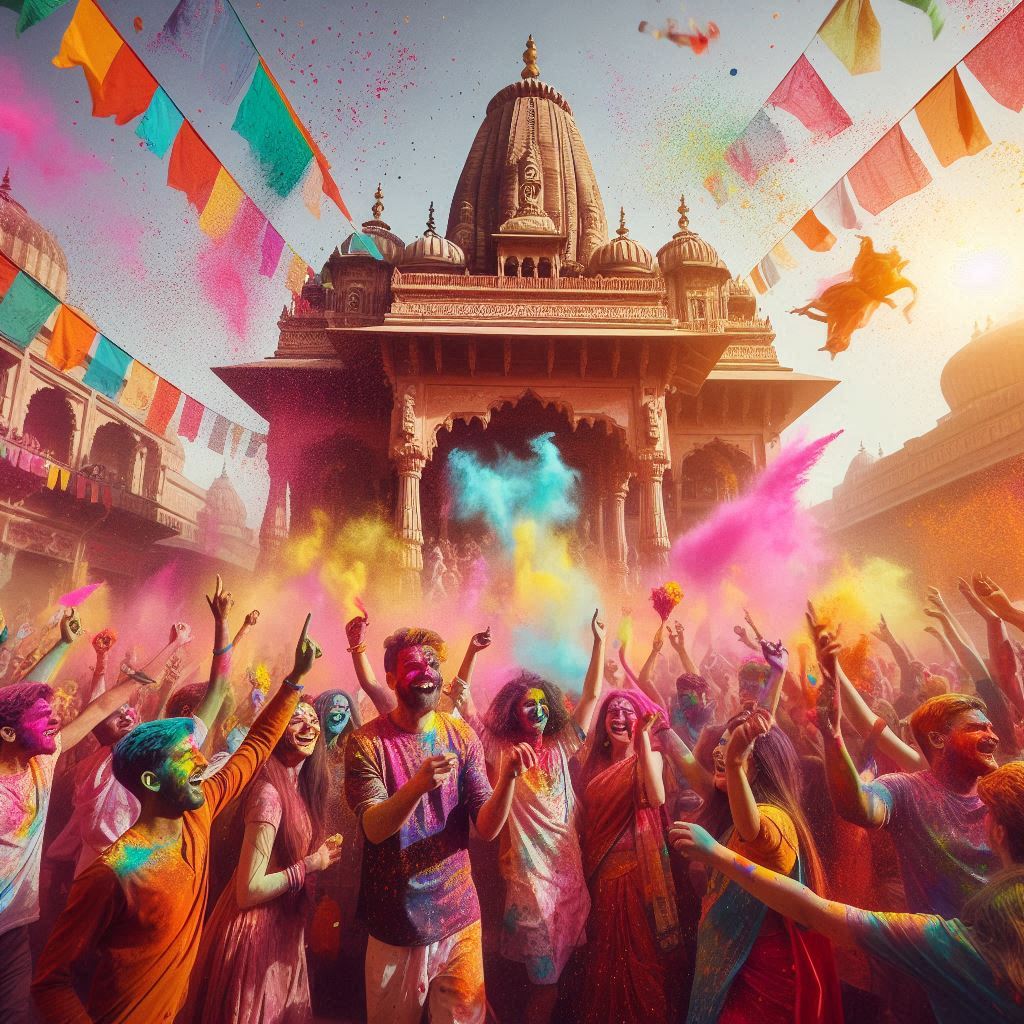
La Tomatina (Spanish pronunciation: [la tomaˈtina]) is a festival native to Buñol in which participants throw tomatoes and get involved in this tomato fight purely for entertainment purposes. Since 1945 it has been held on the last Wednesday of August, during the week of festivities of Buñol. To experience this festival in India one must head to the Scotland of East — Shillong. The festival was celebrated for the first time in May 2016. As per reports, the organisers made use of tomatoes discarded by local vegetable sellers. An alternative to this can definitely be our own festival of colours — Holi. Though Holi is celebrated all across the country some of the top places are Barsana, Shantiniketan, Mathura and Vrindavan.
Sky diving
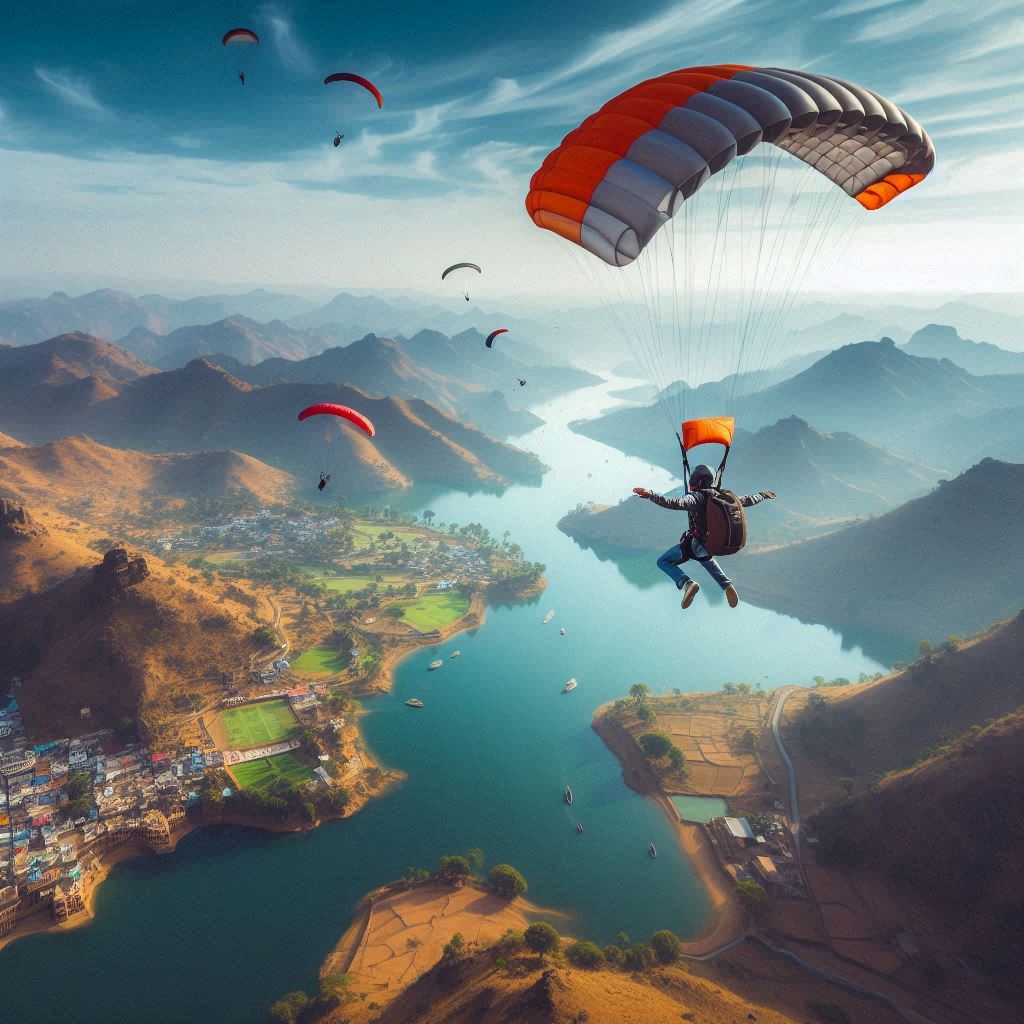
According to Wikipedia, parachuting, or skydiving, is a method of transiting from a high point to Earth with the aid of gravity, involving the control of speed during the descent with the use of a parachute. It may involve more or less free-fall, a time during which the parachute has not been deployed and the body gradually accelerates to terminal velocity. Some popular destinations for this sport in India are Mysore, Pondicherry, Aamby Valley and Dhana. Alternatively one can also try paragliding at Bir Billing, Manali and Yelagiri.
Bull run
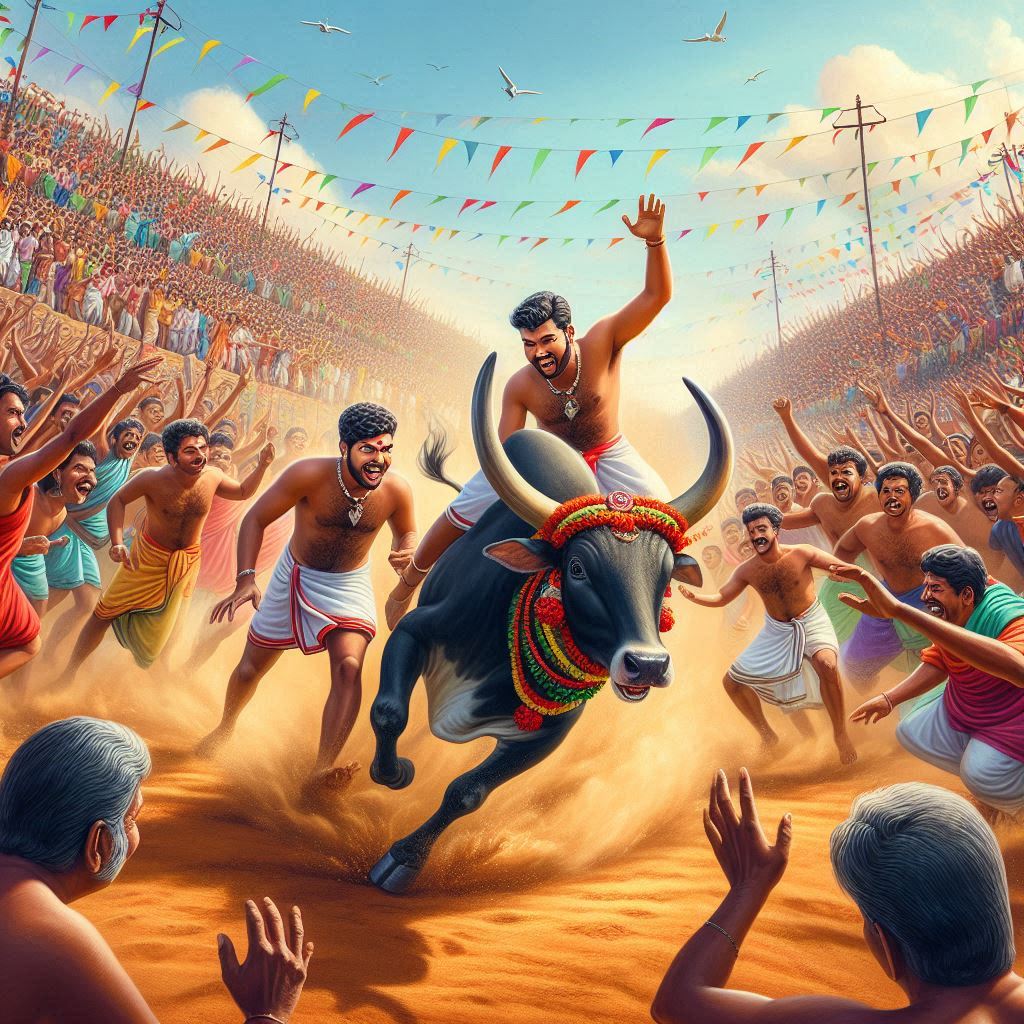
The Running of the Bulls is a practice that involves running in front of a small group of cattle, typically six, of the toro bravo breed that has been let loose on a course of a sectioned-off subset of a town’s streets. The most famous running of the bulls is held during the eight-day festival of Sanfermines in honour of Saint Fermin in Pamplona. In India the nearest similar sport is Jallikattu. Also known as Eruthazhuvuthal or Manju virattu, is an event held in Tamil Nadu as a part of Pongal celebrations on Maatu Pongal day. The sport involves taming the bull by holding onto its hump only. If the contestant holds onto the neck, horn or tail, then the contestant will be disqualified. Bulls are bred specifically by people of the village for the event. In May 2014, the Supreme Court of India banned the practice, citing animal welfare issues. On 8 January 2016, the Government of India passed an order exempting Jallikattu from all performances where bulls can not be used, effectively reversing the ban. However, on 14 January 2016, the Supreme Court of India upheld its ban on the event, leading to protests all over Tamil Nadu.
P.S: The list of destinations for each of these sports is not limited to the ones mentioned here. They are the one that comes on the first page of a Google search.
Someone truly said, “The world itinerary altogether fits in India itself”. Find your best pick and explore. Just one excuse:
“Dilon mein tum apni betabiyan leke chal rahe ho Toh zinda ho tum! Nazar mein khwaabon ki bijliyan leke chal rahe ho Toh zinda ho tum!”
As a student, we always dream of travelling. But once we start calculating the expenses, we pack this dream and bury it till when we will start to earn. Who knows if we will ever get time when money keeps rolling to us. Pack your backpacks and let the dreams flow out. Be a bit strict with yourself on how you spend and yet be free to enjoy your life. These are some tips from my personal experience of having touched down at 14 Indian states and 2 Union Territories. Happy travelling.
Destination
Choose your destination wisely. This is the first and the most important step in starting to stop the draining of money. The destination you choose will decide how much you will spend on the trip. Ditch that exotic destination. You can always travel that when you have a thick wallet. Choose something that’s near to your current location. India has a varied choice to offer. There may be more places nearby to explore than you ever thought. If you are not based in the metros of India; paying a visit to them is not a bad option. They have certain benefits to offer to a traveling student as I will discuss soon. In case you are based in a city and want to escape city life, some gate-away is definitely waiting for you.
Stay
If you are comfortable spending your night with just a mattress and a pillow then this tip is for you. YHAI offers probably the cheapest lodging option with an average price of ₹100/-. Their youth hostels are located at all major locations in India and offer a clean and hygienic dorm facility. But you have to follow certain discipline while staying there. I have personally stayed at YHAI Bangalore and Mysore and the experience was pretty good. I tried looking for accommodation at their hostel during my last visit to Pudducherry but I was late. So it is advisable to book in advance if you are planning to stay there. The alternate I accommodation I found in Pudducherry is another option to stay while travelling. The ashrams and their guest houses. This is mostly applicable to spiritual locations across India. Same as YHAI you may have to abide by certain rules while staying there. Staying in a dorm can connect you with other members who may be able to guide you on your travel plan. This tip remains unchanged if you are planning to stay with a local. Couchsurfing looks like another upcoming option while travelling in India. They connect you with hosts who are willing to allow you to stay at their place for free. I am yet to try this. For hotels: search on hotel aggregator sites but book directly on call. The process as I have heard increases the cost. Looking for hotels to reach the destination may also be a good option as most small hotels are not online. As an Indian, you may have a well-established relative network. Dear friends use this now. The last tip on finding accommodation – make friends. They may help you find cheaper deals or let you stay at their place (my stay on a trip to Mumbai, July 2016) or may even sneak you into their hostels and share their bed (offered on a trip to Hyderabad, January 2016).
Travel
As I told you earlier where you want to go will decide how much you spend. Choosing a location that’s on the Indian Railway network can cut down a lot of expenses but only if you promise to travel in non-AC coaches. For places not on the IR map, check if they have frequent road connectivity from your place. The intercity bus network in Assam and Tamil Nadu is good (to be noted: from my experience).
Getting around
A location that provides ample options for public transportation is according to me the best destination. Indian cities and most towns have excellent public transport systems to avail. Cities like Kolkata and Mumbai with its well laid out suburban train network can take you to any corner of the city at the cheapest price. Additionally, they are backed up by buses and share autos to keep your travel cheap. The underground rail system in Delhi and Kolkata is the best option to crisscross the city fast. For smaller towns, they mostly have buses or autos to get you around. For still smaller places use your legs. Walking around the French town of Pudducherry or getting mingled with the crowd in Kolkata or Mumbai will be definitely the best experience. With smartphones in everyone’s pocket, it’s no longer hard to look for distances between places and find how to travel. For over 3 years I have used Google Maps to find my route in Kolkata and I must say they are about 90% accurate in producing details even regarding bus route numbers. If you don’t have a smartphone like me the pan-wala and co. is always there to help you.
Food
Again ditch that exotic restaurant and go desi on the streets. I feel they have a unique yet varied taste to offer. They let you taste the local cuisine as well as some imported stuff with a remixed taste.
Travel accomplice
Go solo or with a team? Both have advantages and disadvantages. Going solo can make you flexible but at a few places, your group can bring down accommodation expenses. At certain destinations booking a hotel room may be cheaper when you are in a group as you are going to share your prices. The same principle applies when you are in a good restaurant or even hiring a vehicle to get around. The best thing about going solo is you can decide where and how you want to go, where will you stay, what you eat etc. You are your own boss and don’t have to wait for consensus for your group. Yet I must confess that my college trip to Himachal Pradesh with the entire batch of 70 will be the most memorable one.
Research well
Study about the place you are going. Read travel articles. Browse websites related to your destination. You may be able to skip hiring a guide. Apart from travel websites and Wikipedia try checking the Archeological Survey of India’s website for details regarding sites maintained by them. State and district government websites also have a pretty good share of information. If your destination has a major university their website may host some details regarding the place. I agree they have a fantastic story to tell but let’s keep it for the next time. Don’t hesitate to look for advice from Facebook groups or friends who have already travelled to the place.
Funding
As I learned from a travel blogger, travelling is all about priority. The amount I spend to travel, someone may be spending the same or even more on buying expensive branded accessories/wears or on food in a popular restaurant. As a student getting a paid internship can take you places (Bhavnagar & Mumbai, 2016). But please do respect your commitment towards the internship and of course explore the place.
This is not an exclusive list of tips to travel cheap. Find your own way to cut down costs. With more trips to come; more tips will be added.
Acknowledgement: I would like to thank each and every one who has been a part of this journey and those who will be; family for their support, friends for encouragement and strangers for showing the way.
Summer of ’16. I had secured a summer research fellowship, taking me to this corner of India called Bhavnagar. Bhavnagar is located in the western Indian state of Gujarat beside the Gulf of Khambhat. Initially, it was much thrilling to know that I would be travelling to the 13th Indian state on my list but it subsided after talking to people on various forums as it was not among the touristy spots. Diu, Palitana, Gir, Somnath and a few other places were only easily accessible. Still clinging to my hope this is what I found there. This is not an exhaustive bucket list but only a few that I could cover during my 10-week stay.
Places to visit
Gam Talav: Gam Talav or simply ‘talav’ is the centre point of the Bhavnagar city. The market, railway station, bus stand and other amenities surround this water body.
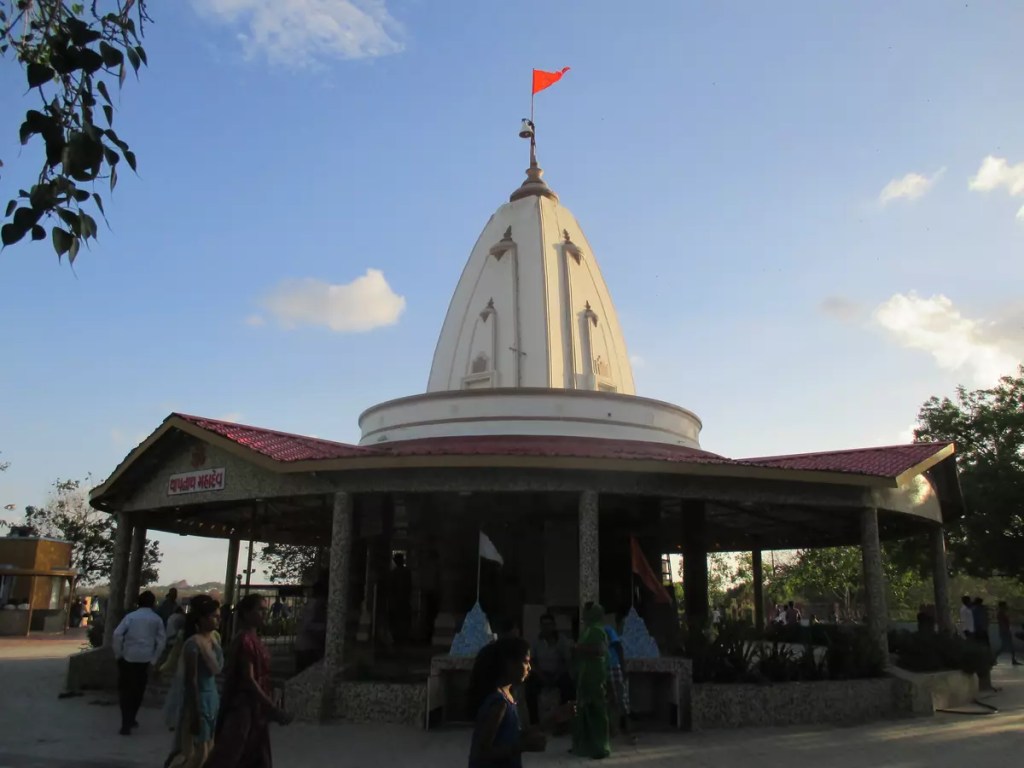
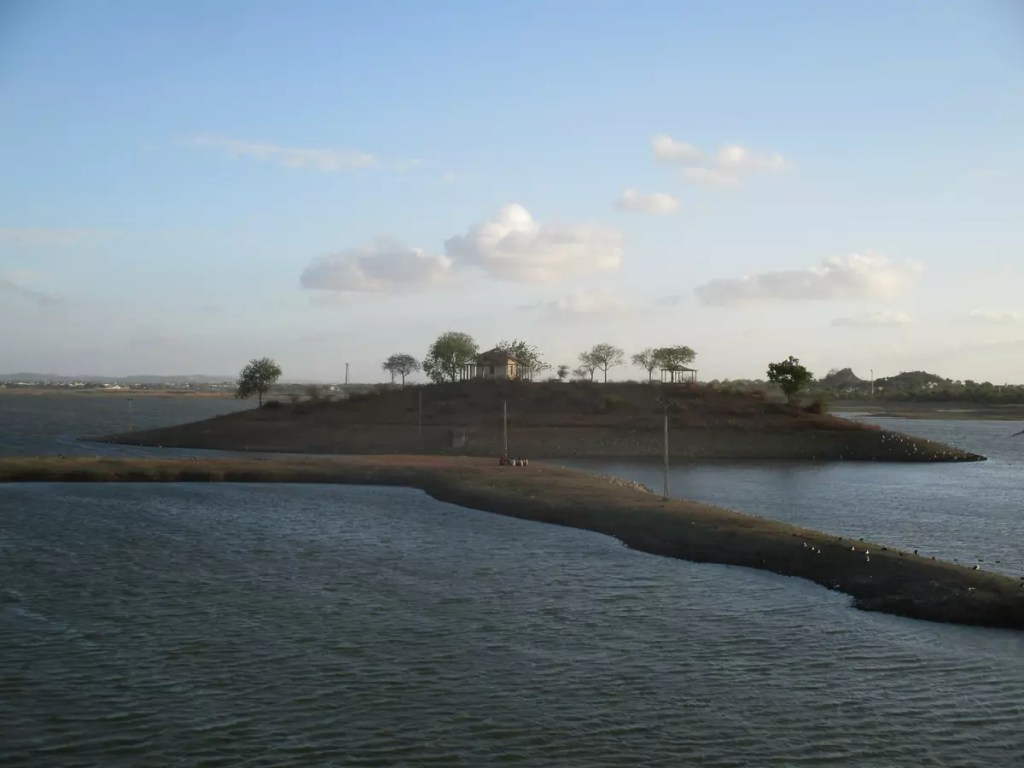
Gaurishankar Lake: A huge water body on the outskirts of the city constructed in the late 1800s to provide water to the city. Even today it supports its purpose apart from growing to a site of tourist spot with a boating facility. A temple along the bund dedicated to Lord Shiva can also be found here.
Victoriya Park: Morning walk, evening stroll or just spend some time within greenery, this is a perfect place within the premises of the city. In this nature park, one may encounter a deer or peacock enjoying the day alongside you. A small lake in the park is host to several birds.
Takhteshwar Temple: This is a small white marble temple dedicated to Lord Shiva. The temple is located atop a hillock and dates back to 1893. The temple courtyard offers a panoramic view of the Bhavnagar city that extends to the Gulf of Khambhat.
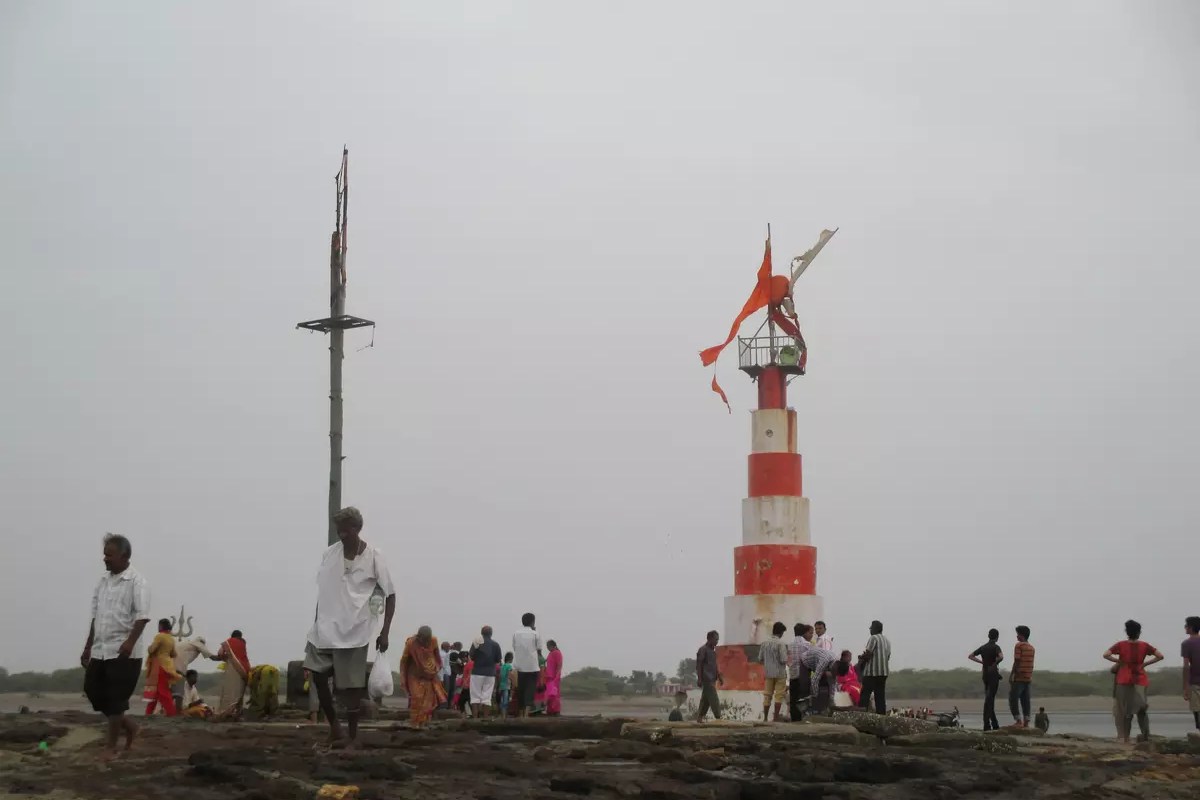
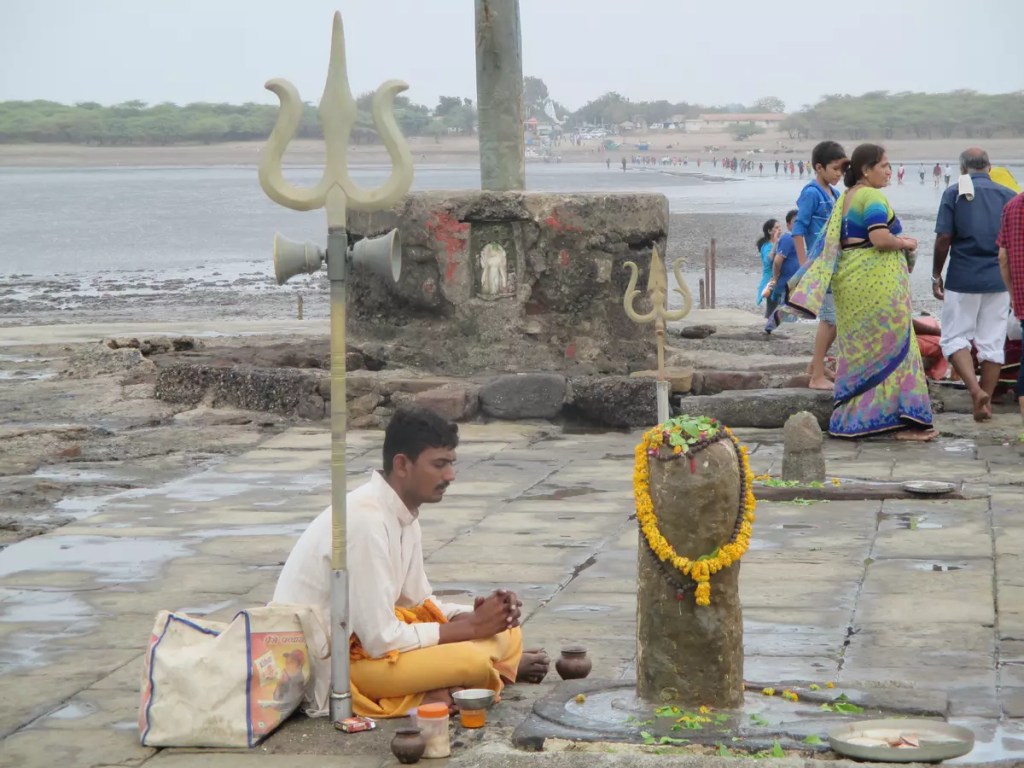
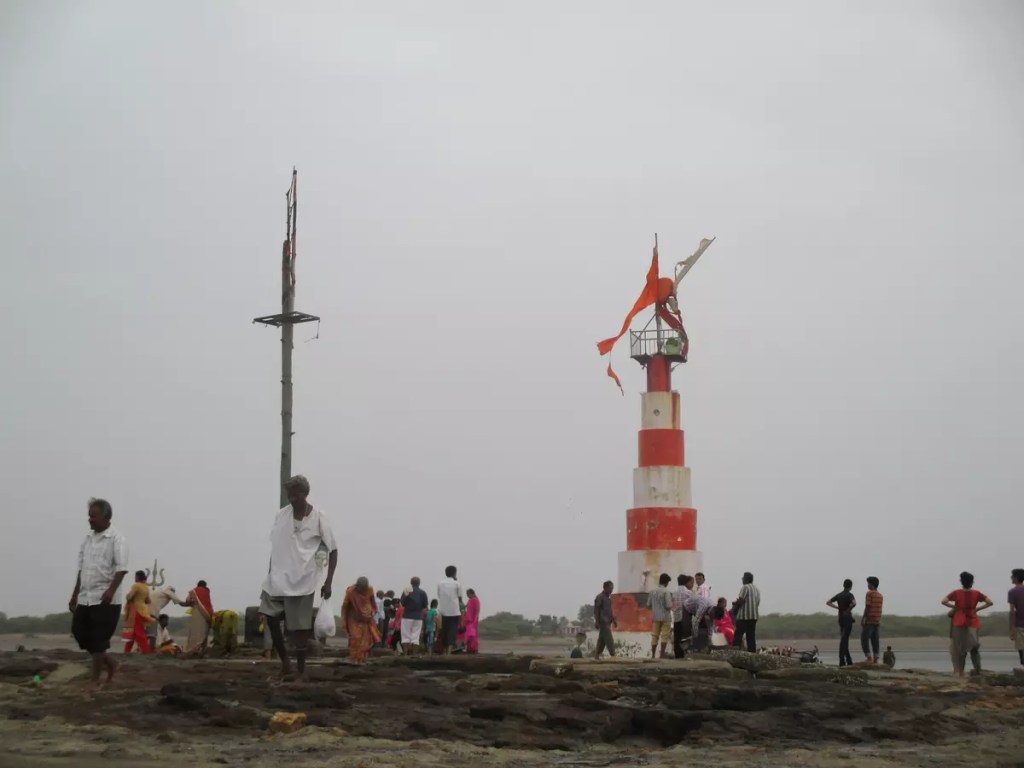
Nishkalankh Mahadev: A temple under the sea. Accessible only during low tide, the Nishkalankh Mahadev is said to date back to the Mahabharata era when the Pandavas came here to seek redemption for killing their own blood. The temple does not consist of any building but rather four Shivlings on a raised platform around 1.5km away from the actual beach. During high tide only a lighthouse and flags mounted on it are visible. Prayers are offered when the water level goes down.
Kuda Beach: Along the Nishkalankh Mahadev lies the Kuda beach. As Bhavnagar is located in the Gulf of Khambhat region no fresh water can be expected here. Still, a beach is a beach.
Shopping destination
Gam Talav area has the central local market. Himalaya Mall located beside Victoria Park is the destination if you are looking for brands. The mall also has a gaming zone and movies. Apart from these, the market is almost spread throughout the city.
Food
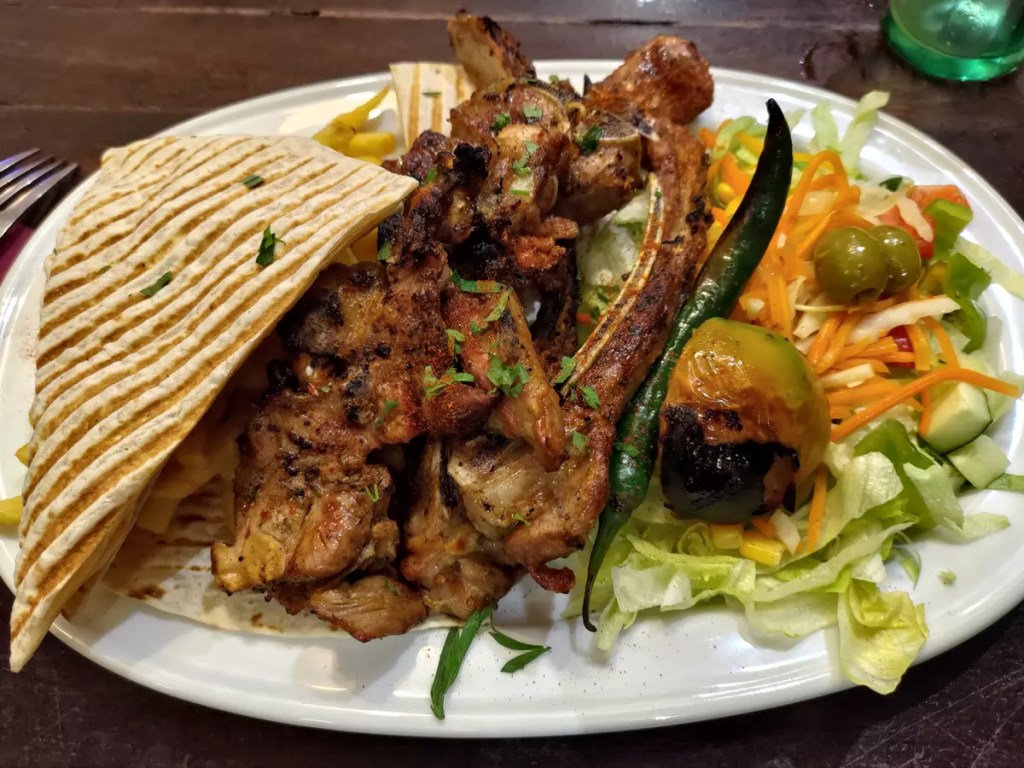
Gujarati thali: An authenticated local food is a must when you are in a new state.
Dabeli: This light snack available in Gujarat is the cousin to the famous vada pav of Mumbai. Instead of the delicious vada, dabeli stuffed with mashed potatoes with added nuts while the bread may be smeared with butter or sweet chutney. It’s available almost everywhere and each stall adds its own twist to it.
Jain hot dog: A modified version of the US-origin meat-based original hot dog comes as fully vegetarian to keep up with the customs of Jains. Contains 0 meat, onion or garlic but is stuffed with ample veggies and topped with a generous portion of cheese. Tastes best with sweet tomato chutney or pudina chutney.
Pani puri: Pani puri is easily available across India but what’s different here is the different pain flavours they offer. Precisely 7 for ₹10. You may have all or one. It’s definitely your choice.
The year 2016 began for me in a new place — Secunderabad. I was here on medical tourism. After the medical requirements were fulfilled it was time to address tourism. I was here for nine days and this is Hyderabad-Secunderabad in my view.
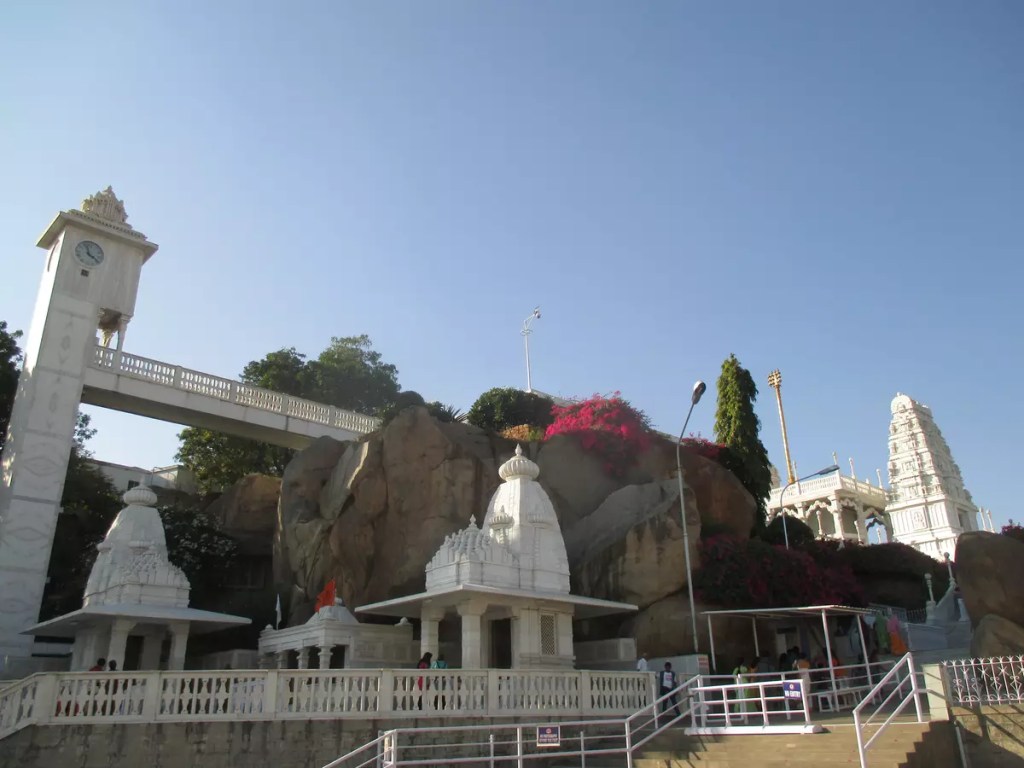
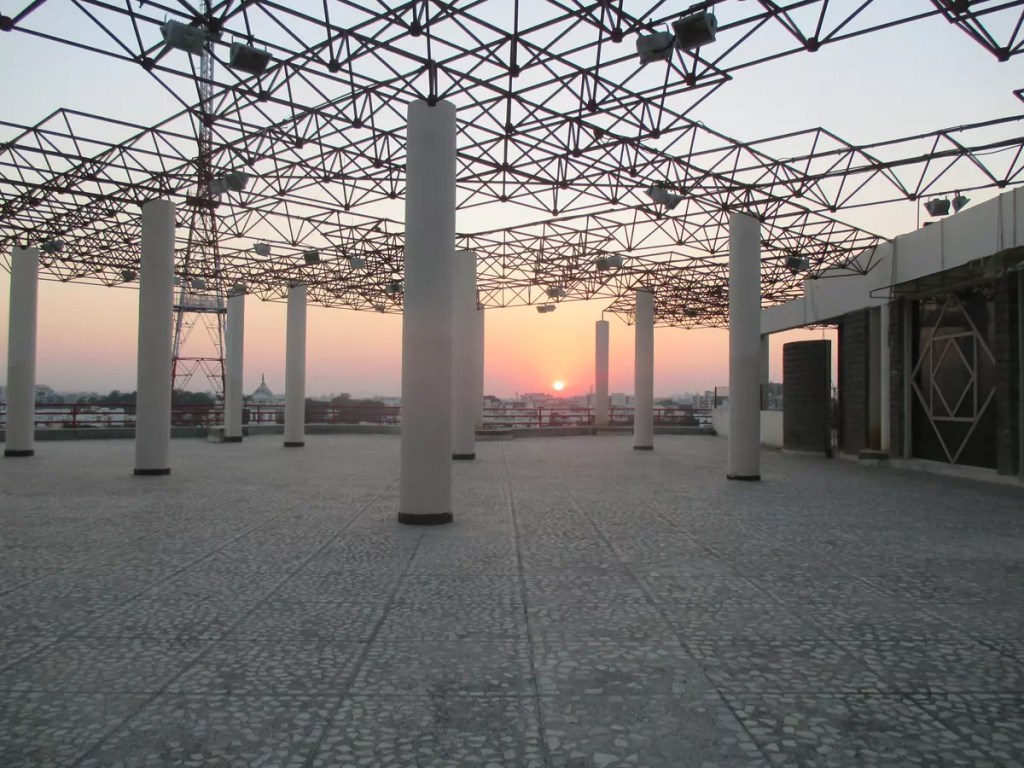
Birla Mandir: Located on a hillock near the Hussain Sagar Lake, this white marble temple of Lord Venkateshwara offers a wonderful glimpse of the city settled around the lake. Sit here in peace and cherish God’s eye view of the buzzing city.
Birla Planetarium and Museum: Dinosaur skeleton, gold postal stamps, jewel-studded wall hanging and beautiful porcelain dolls this was all that attracted me here.
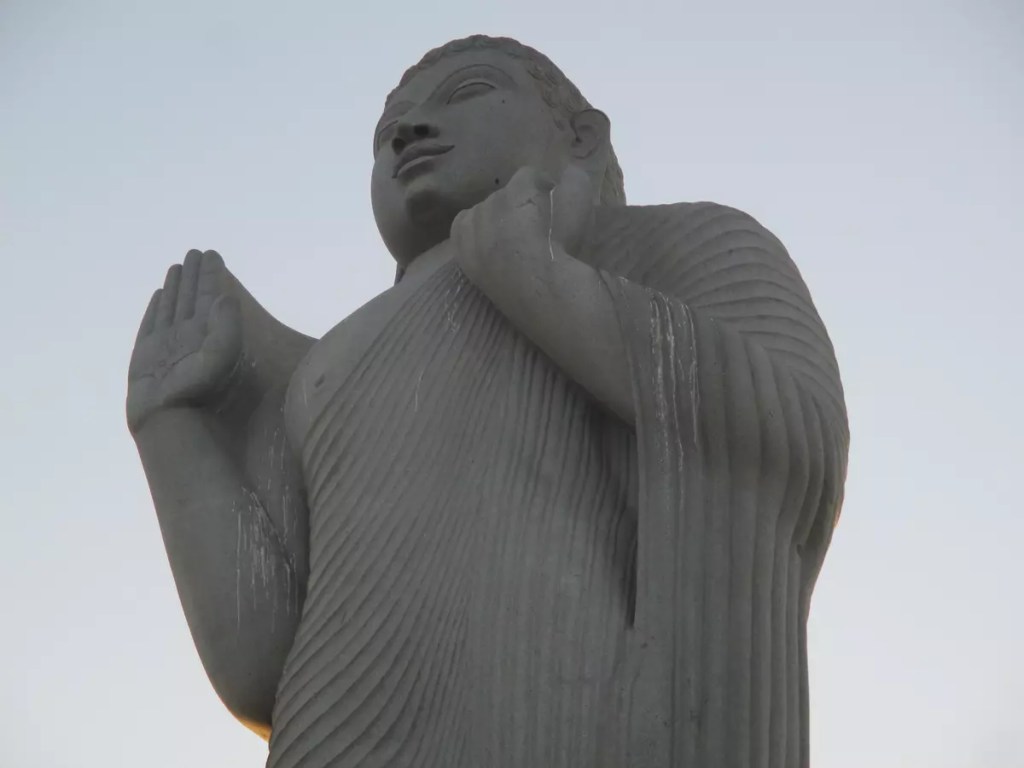
Lumbini Park & Buddha Monolith: To reach the tallest monolith of Buddha you have to set sail here. But there’s much more to do. The laser show is said to be one of the best (and I could not see it). The water cascades the rides — this is a place to hang out with friends & family.
KBR National Park: A national park within a city. They don’t offer a safari but you can take a jog/walk in the morning or evening. Peacocks rule this park.
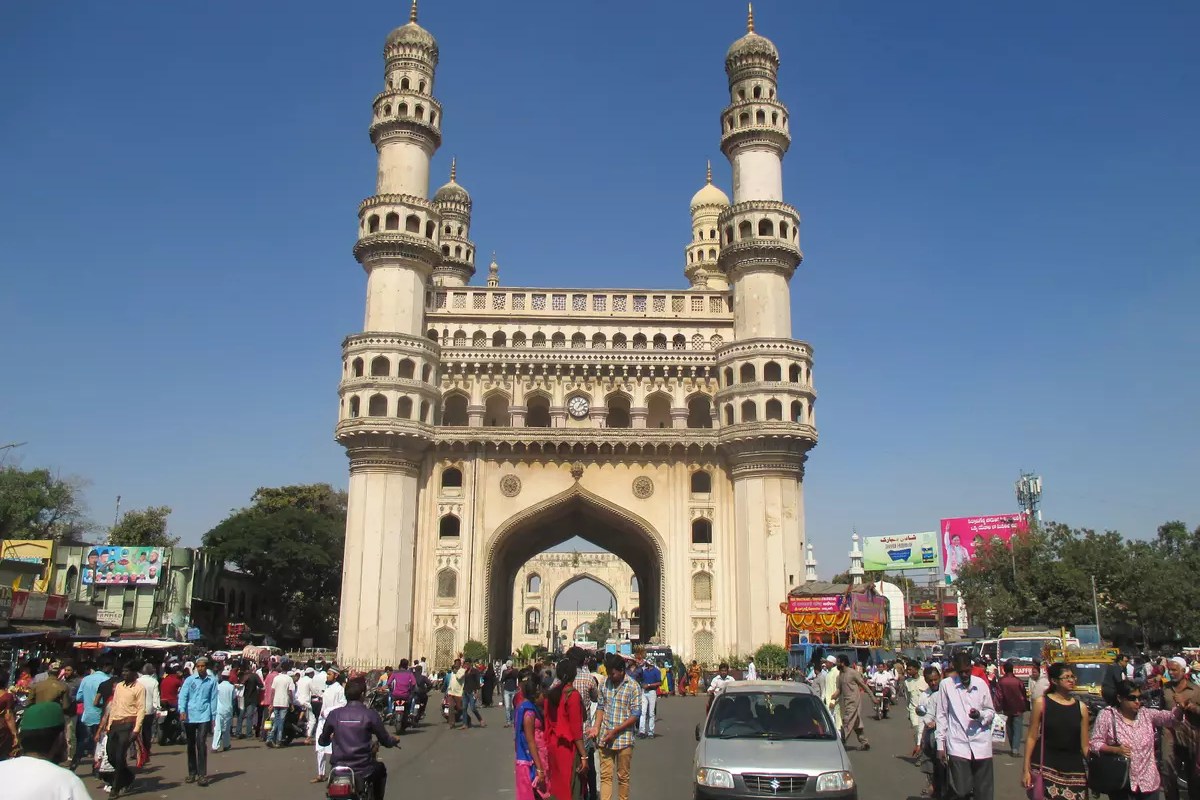
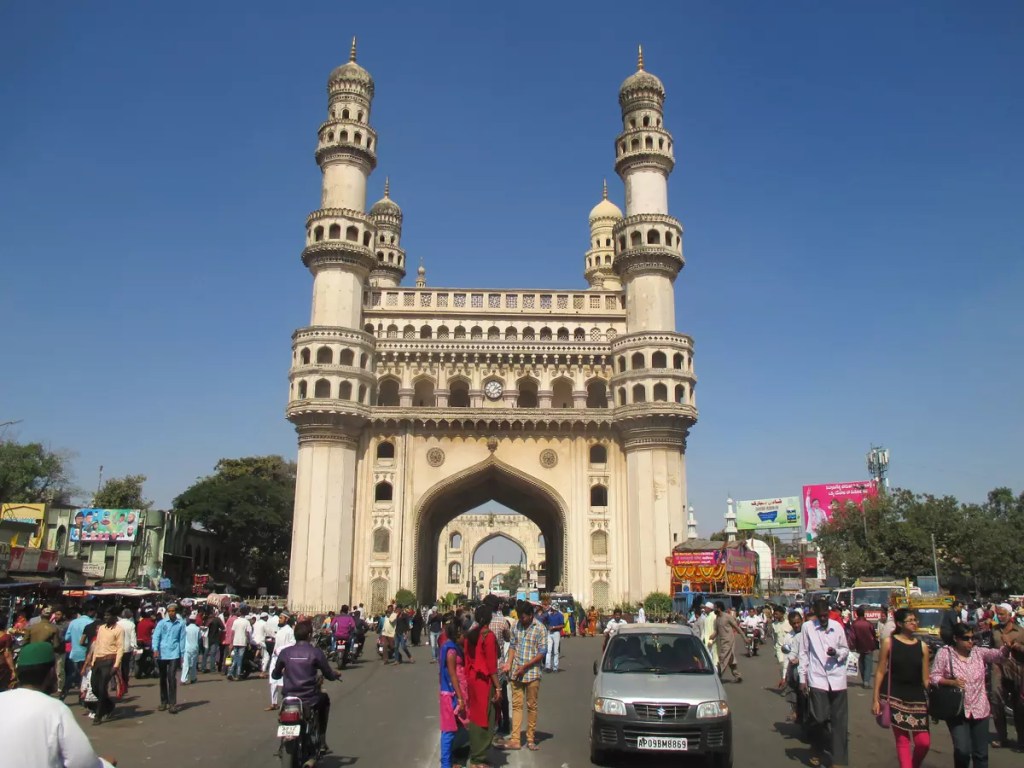
Charminar: The pride of Hyderabad. Climb along the spiral staircase of the minarets to the first floor and get a view of the grand old city.
Mecca Masjid: The 17th century mosque.
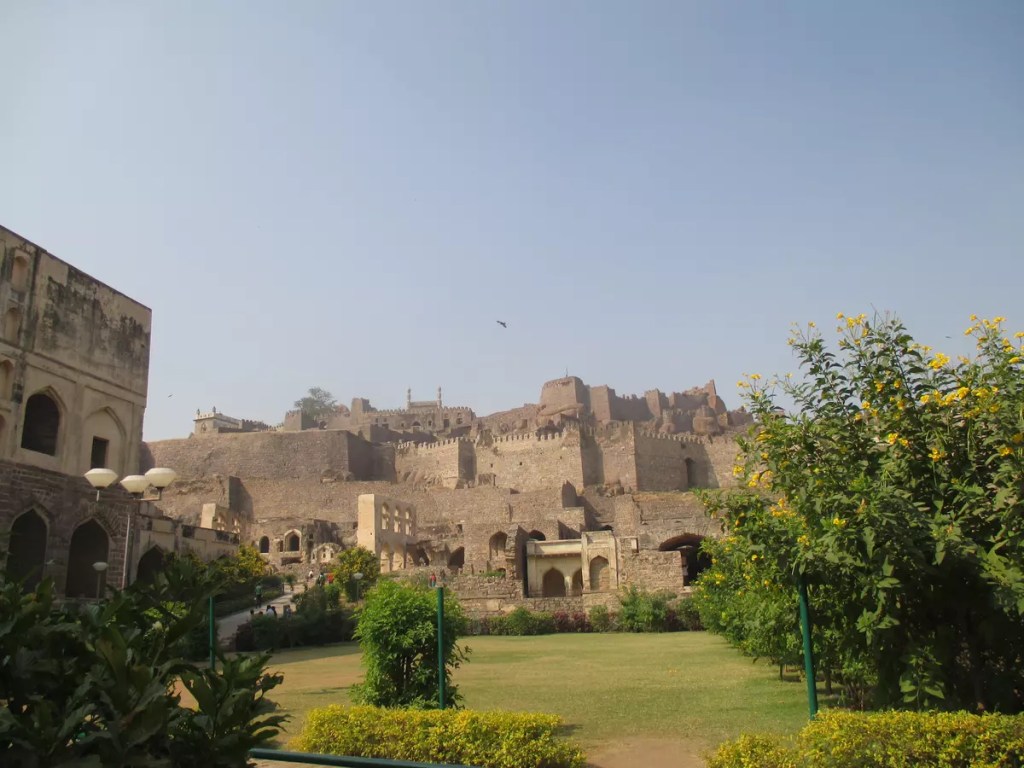
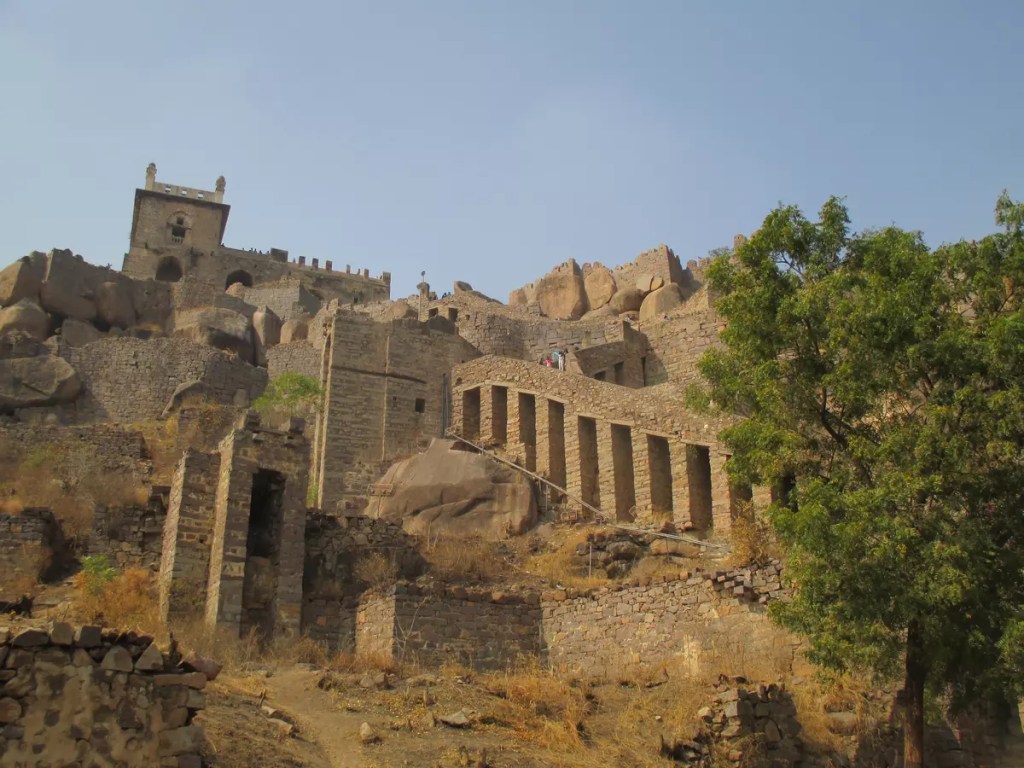
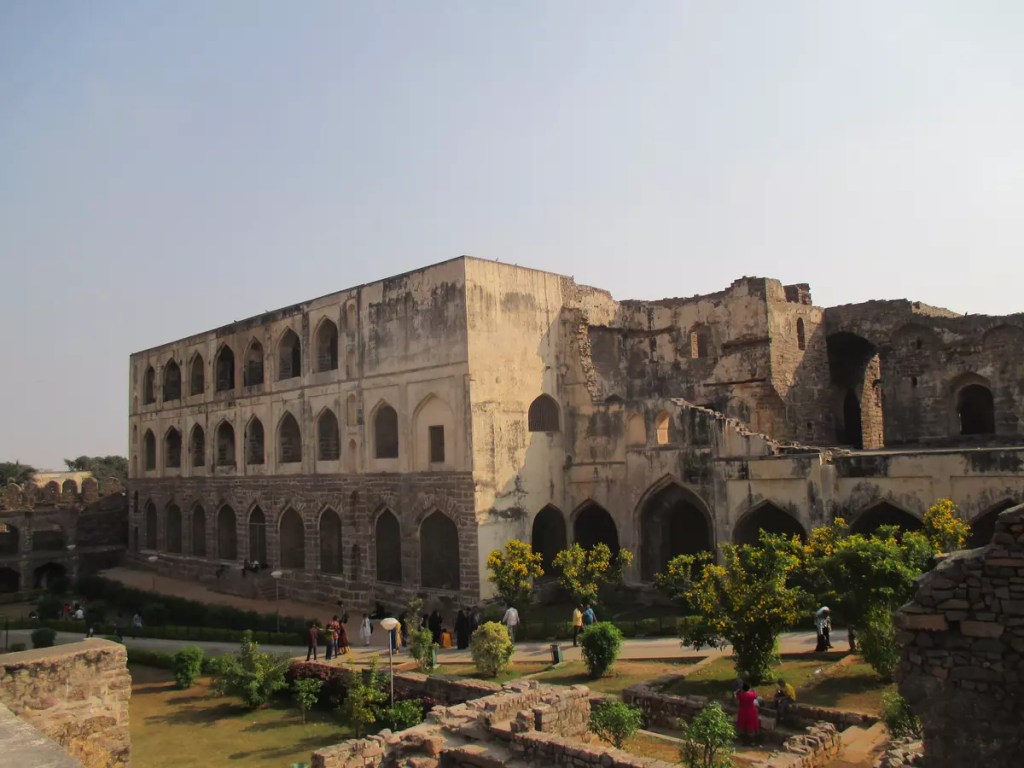
Golconda Fort: The history of Deccan lies here and it comes alive every evening with the ghazals of Jagjit Singh and the voice of Amitabh Bachchan during the light and sound show. Advice: Don’t miss it.
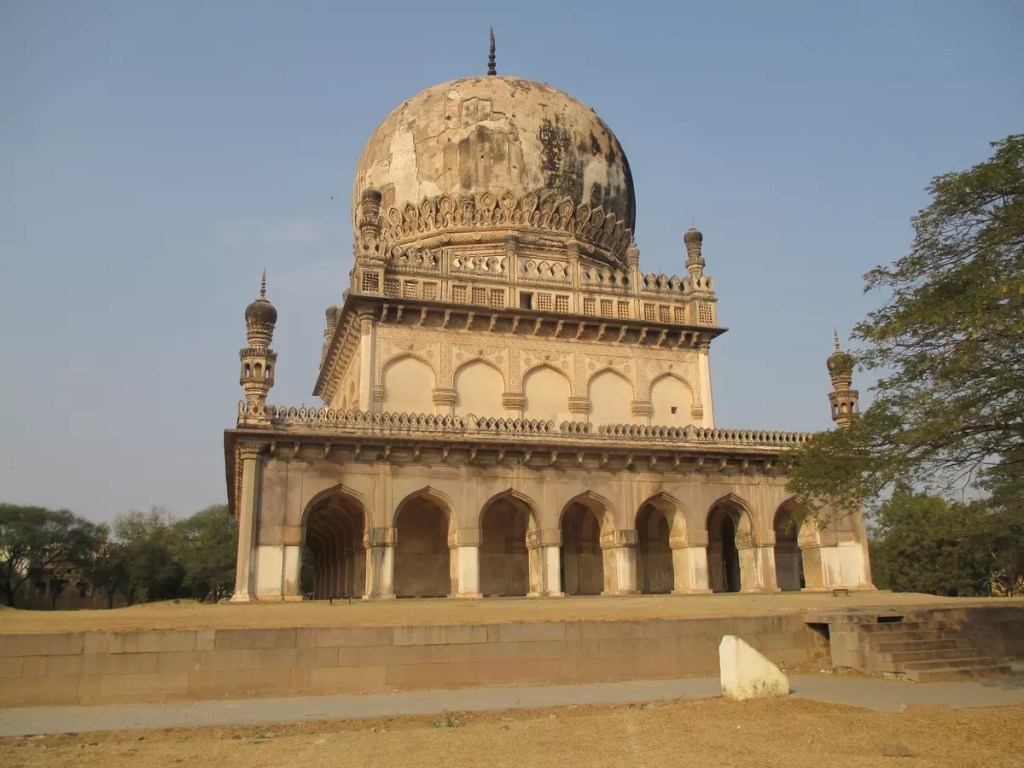
Qutub Shahi Tombs: The king and his men rest in peace here. (P.S.: As of January 2016 a major portion of the park was under renovation and restricted to the public).
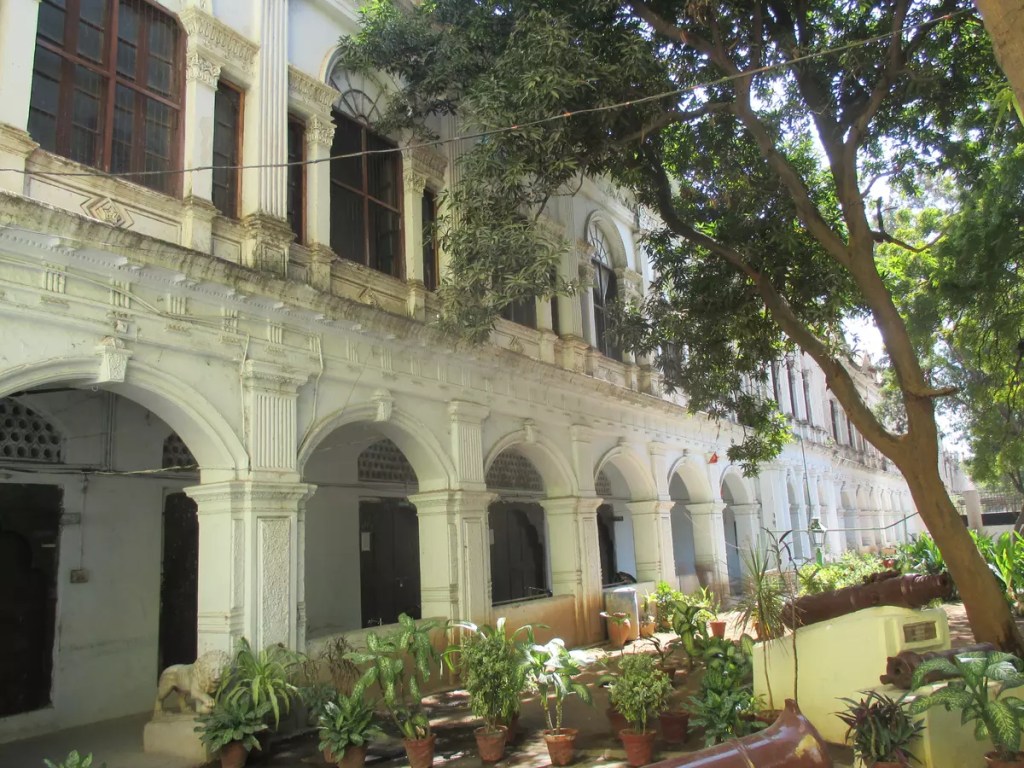
Nizam’s museum: The residence turned museum of the Nizam is a collection of gold and silver. But what’s more fascinating is the 176-foot-long two-level wardrobe. I just wonder if today somebody has a personal wardrobe of this size. The Nizam is said to have worn each costume only once and the officials here are trying to recollect them based on photographs to maintain authenticity.
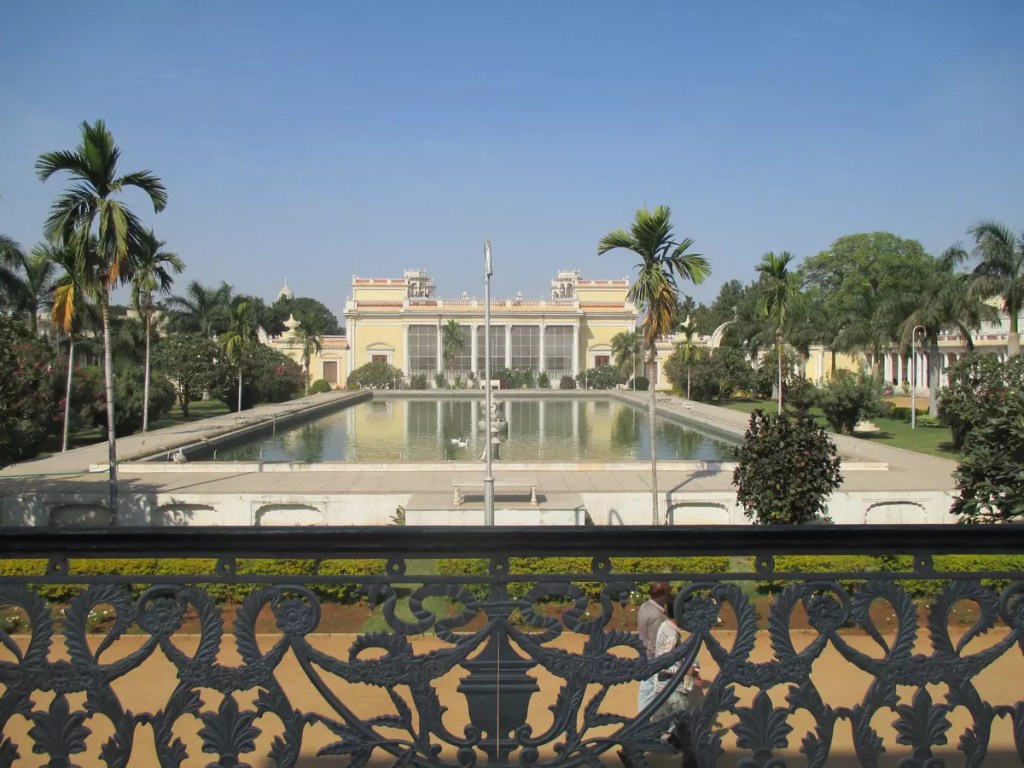
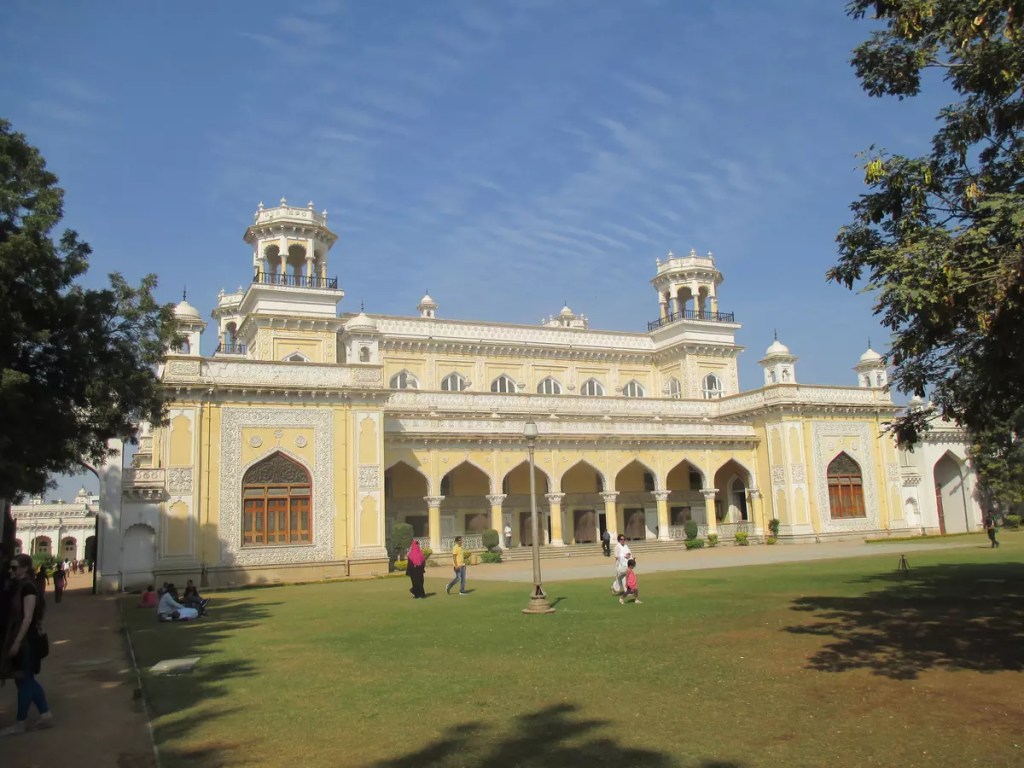
Chowmahalla Palace: Another palatial museum from the Nizams. The best in the collection is the Rolls Royce Silver Ghost which is said to have done less than 356 miles. The grand Khilawat Mubarak or Durbar Hall with its chandeliers is just wow. The Khilwat clock has been running for more than 100 years with the most accuracy.
Salar Jung Museum: The largest one-man collection of antiques. My favourite: walking sticks, veiled Rebecca.
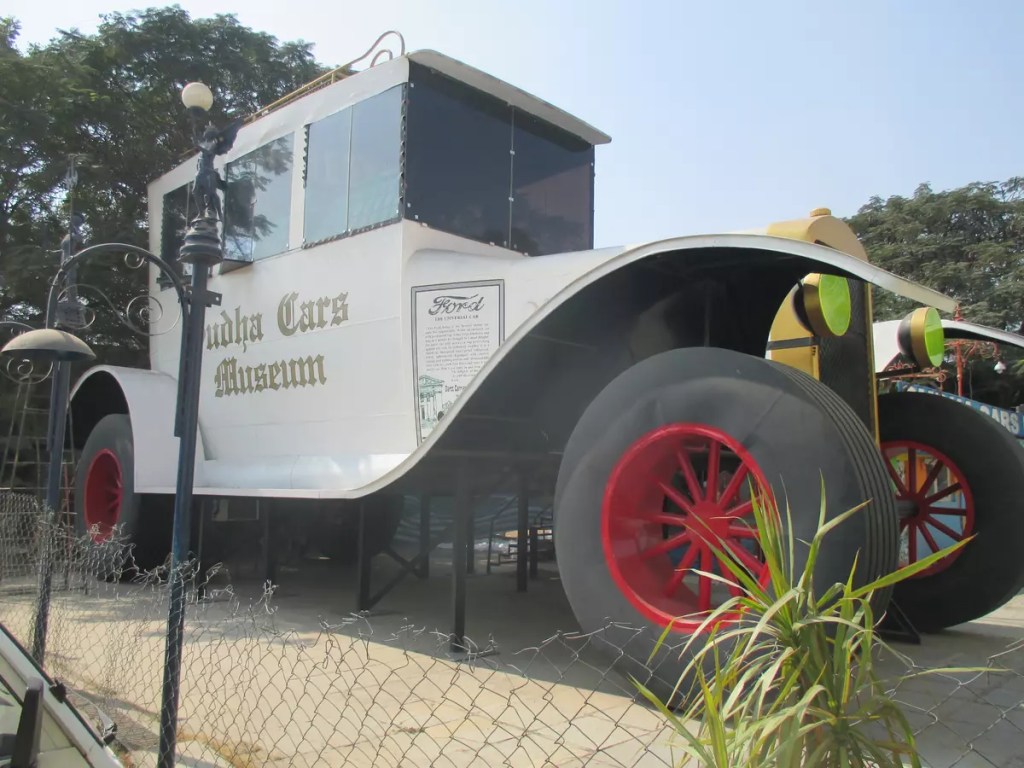
Sudha Car Museum: Truly the wackiest car museum as described by Guinness World Records. Cars in the shape of pens, pencils, desktops, books, Camera, football, bed and even condoms. The museum is the home to the world’s largest tricycle. The museum also houses a few vintage cars.
Additional locations:
LVPEI: Probably one of the best eye care facilities in India.
University of Hyderabad: It has its own reputation. It is listed among the top universities in Asia.
Check out the pictures from this trip on Instagram.
A bit unknown to the people in the city, unmarked in Google Maps, this place around 80kms away is an ideal weekend gate away to the people in the city of joy, Kolkata.
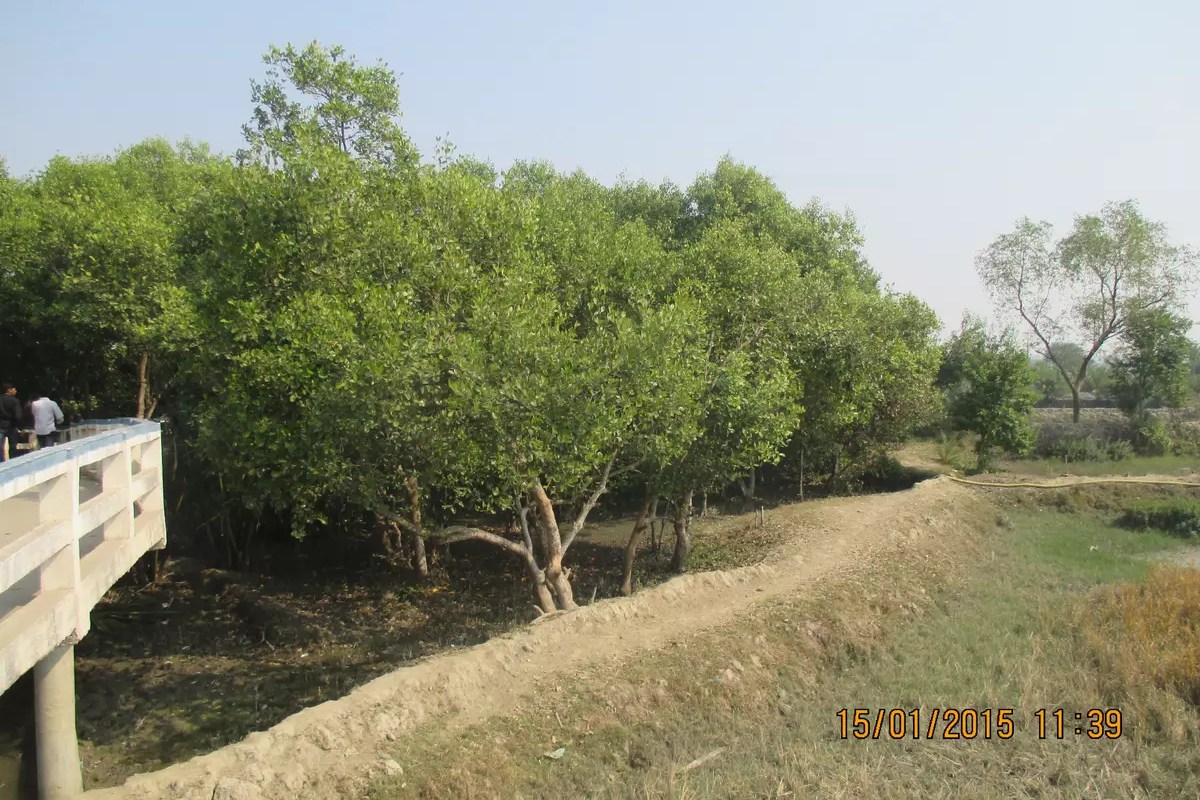
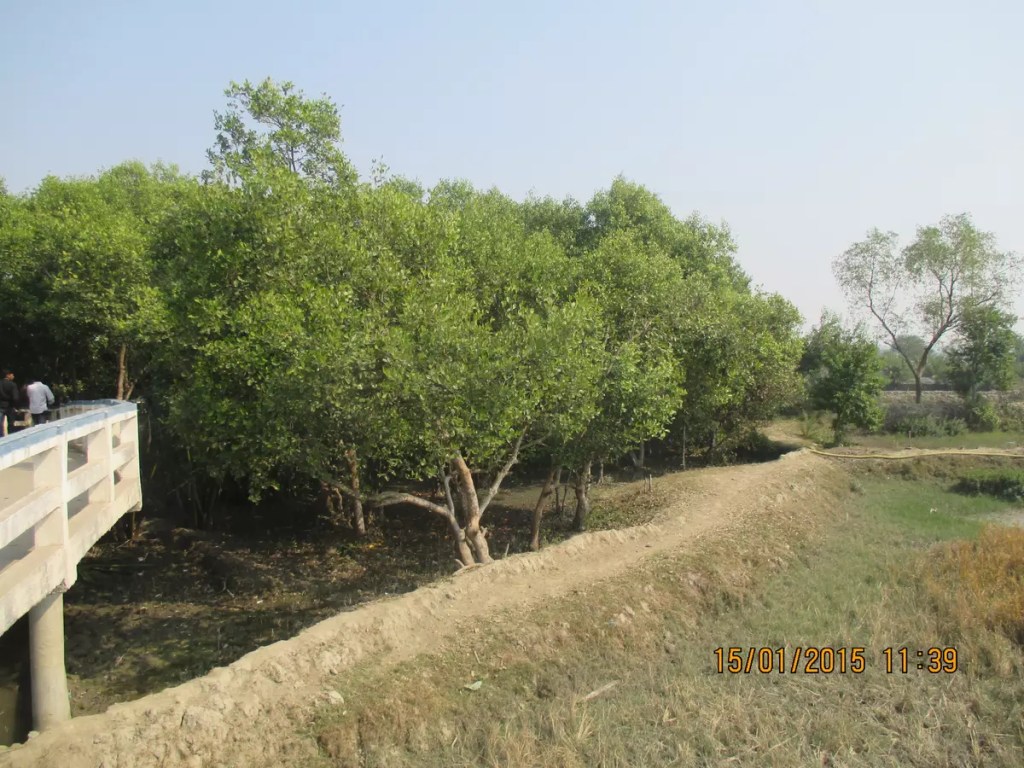
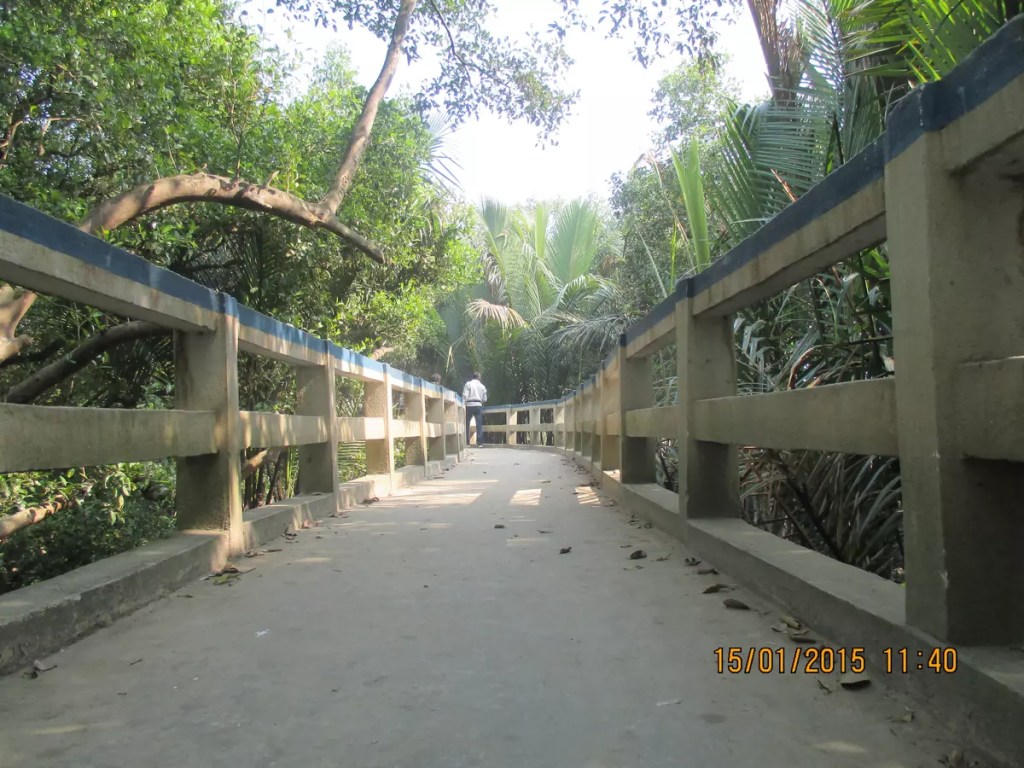
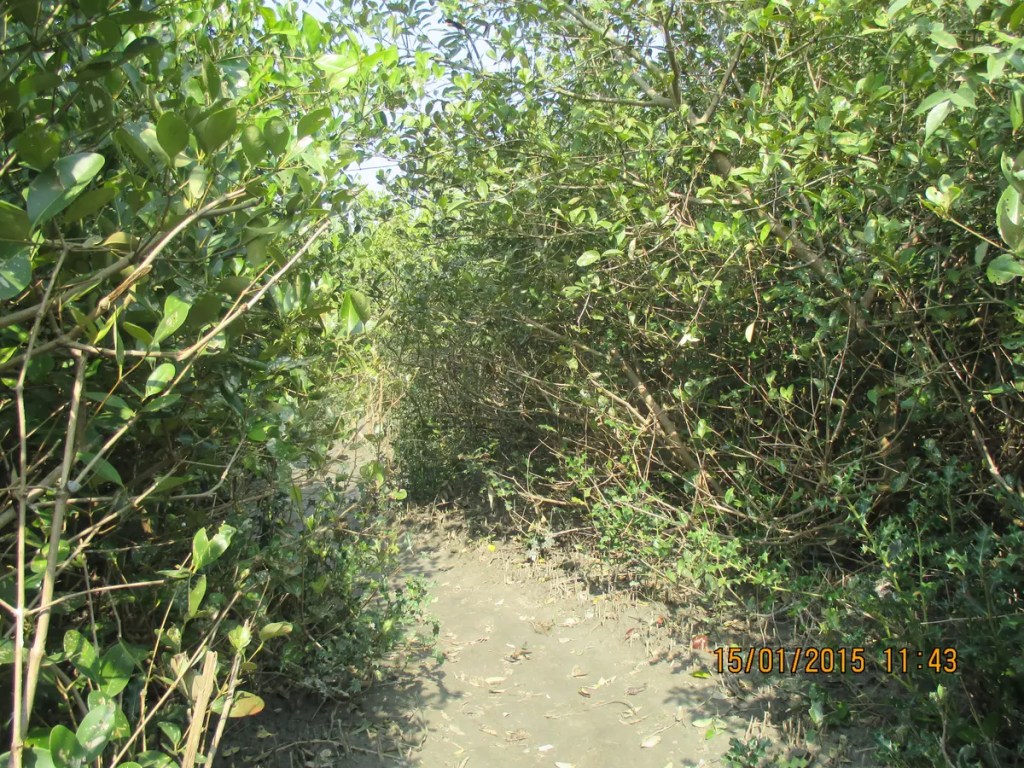
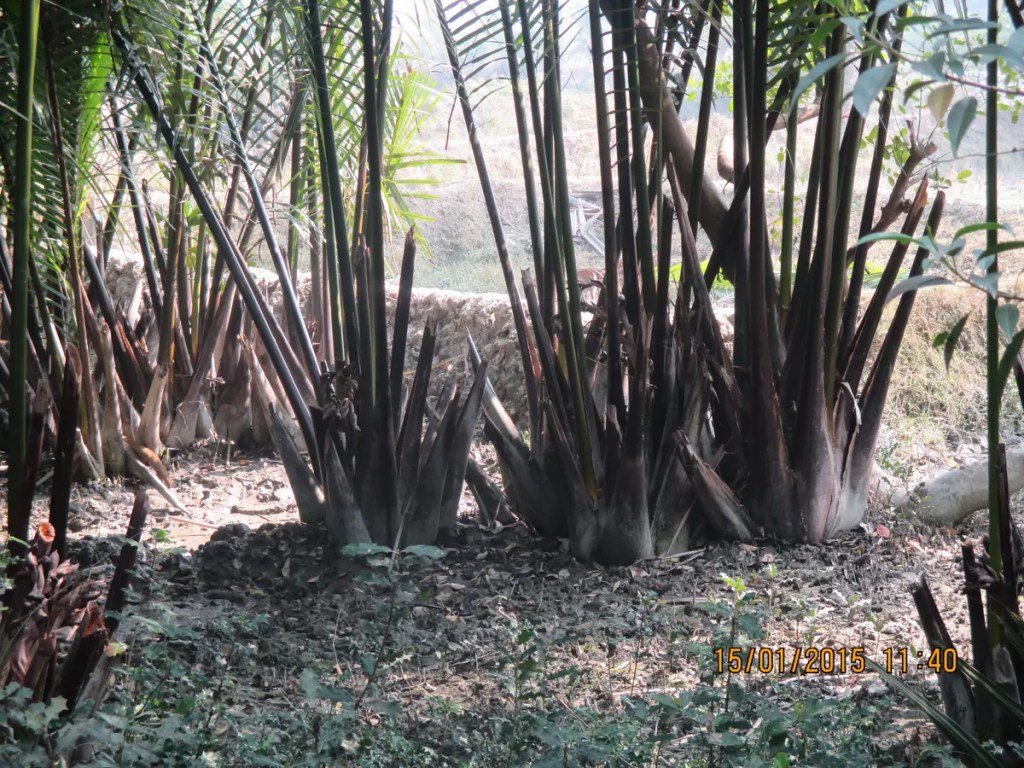
As the name suggests, the Golpatar jungle is filled with the Golpatar trees. The famous Sundari trees after which the Sunderban is named can also be found here in abundance and maybe it is for this reason that the Golpatar jungle is regarded as the gateway to Sunderban.
To reach the Golpatar jungle, one can board the local train from Sealdah to Taki Road station. From there the journey can be continued by motor vans or rickshaws. One can also drive down Taki road from Barasat which lies along NH-34. Being quite close to the border, it is advisable to carry an identity card which may need to be deposited at the BSF checkpoint located on the way to the forest from Taki.
Taki is a municipality town in North 24 Parganas district of West Bengal. It lies along the Ichhamati River which separates it from Bangladesh. The Golpatar jungle marks the point at which the river is quite narrow bringing the two countries closest in this part. No fencing has been done on either side of the river and the river is treated as the international boundary. People from both sides are free to use the river but crossing over to the land is strictly prohibited. On Dashami, the last day of Durga Puja, the immersion of idols from both countries takes place together.
In Taki, one can enjoy the mid-river experience of meeting the countrymen of Bangladesh, on the river where tourists from both countries ride on boats to get a close view of the other country. One can also visit the ruins of Zamindar houses, Ramakrishna Missions, Kuleshwari Kali temple, 300-year-old Jora Shib Mandir and General Shankar Roychowdhury’s adi bari. Machranga River Island is a nearby destination to visit from Taki. The municipality has also built an eco-park that can boast to have a variety of birds and fishes on display. It also has a facility for boating on its premises.
To conclude, the Golpatar jungle and Taki are wonderful places to visit.
Nobo Borsho and a holiday. What can be better than starting a ‘notun bocchor’ with a visit to a new place? After a few minutes of googling about a day trip from Kolkata, we zeroed it to Diamond Harbour. It is located about 50 km away from the city in the South 24 Parganas district along the river Hoogly.
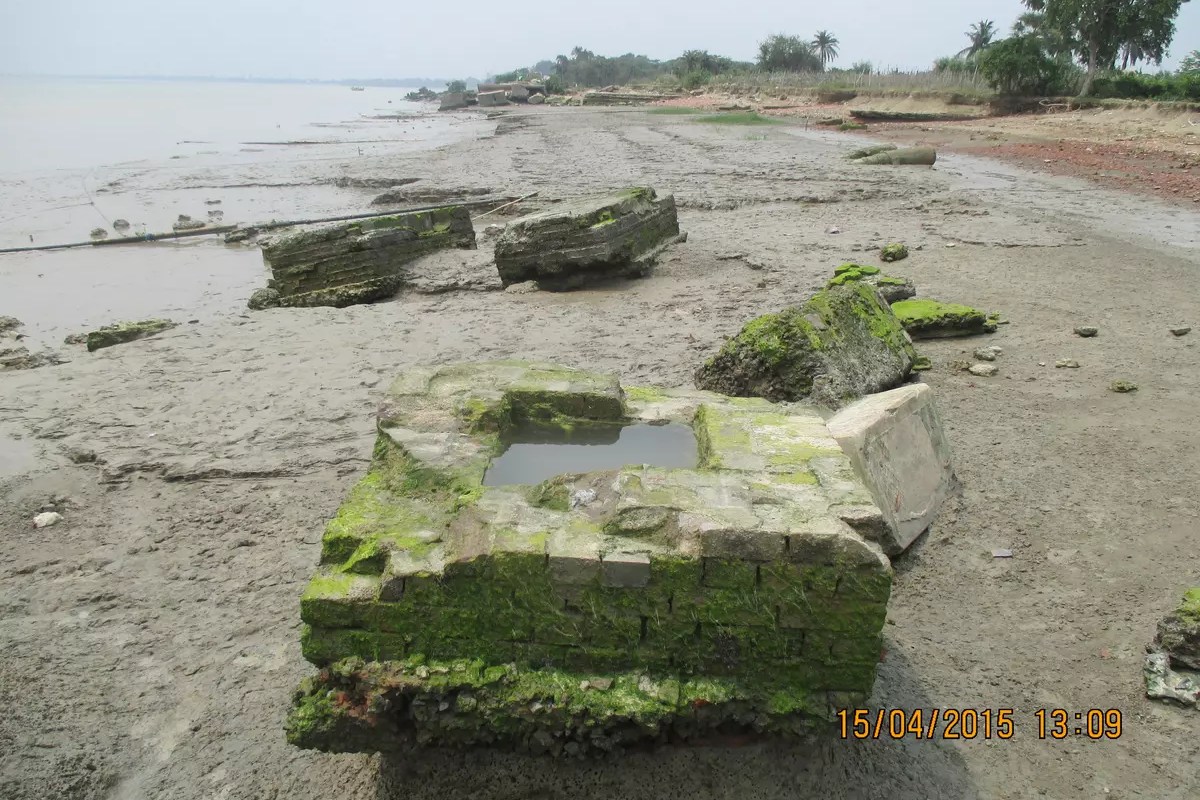
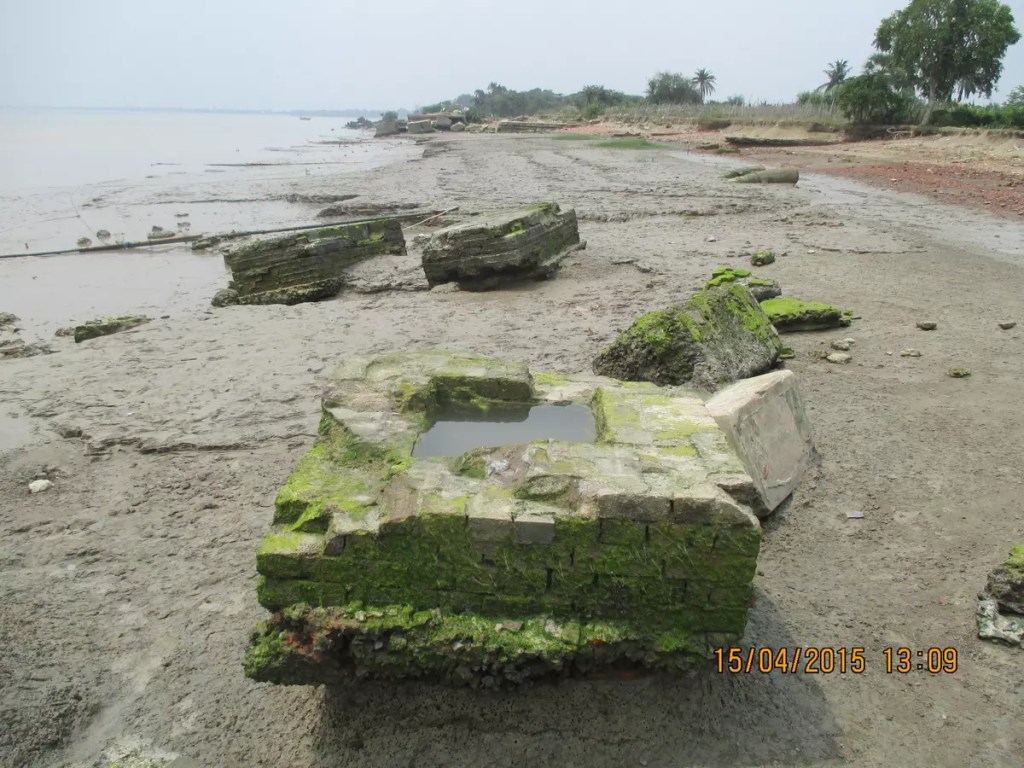
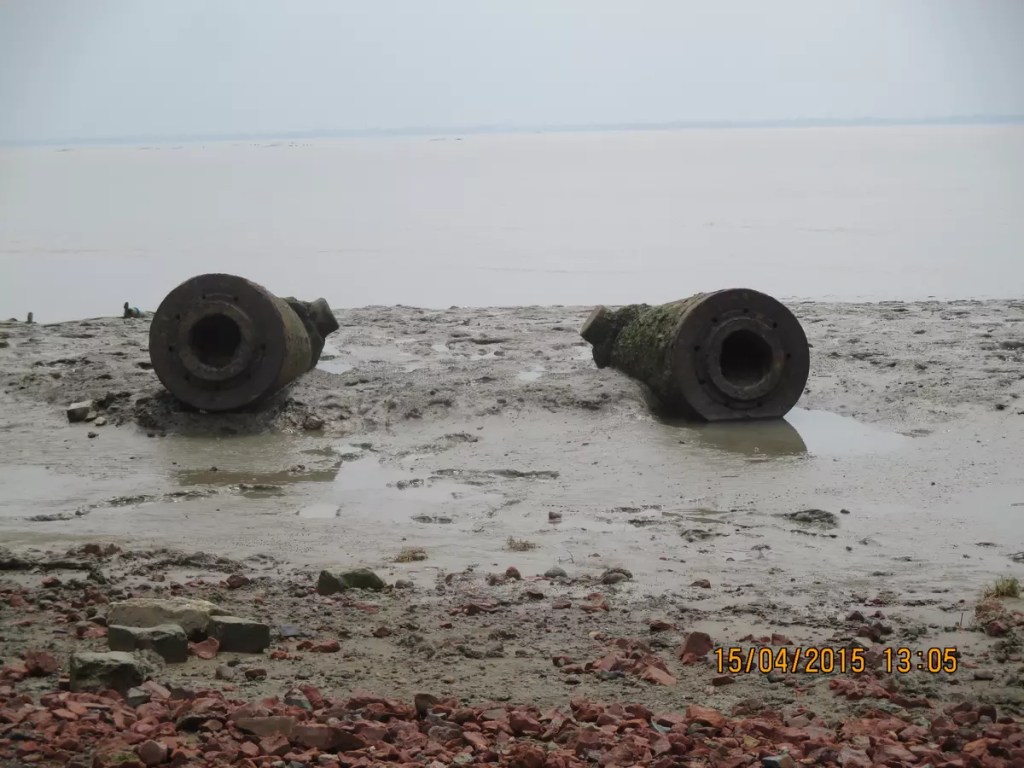
A fort built here in the 16th century was what actually intrigued me. Also known as the Diamond Harbour Fort, the Chingrikhali Fort is reminiscent of the Portuguese pirates who built this fort during the 1600s when they conquered the Diamond Harbour and made it their base for their network of conquered countries. The Portuguese utilized this fort to stay as well as a warehouse for all their trade commodities and ammunition. The fort is believed to have had 7 underground rooms and 5 cannons.
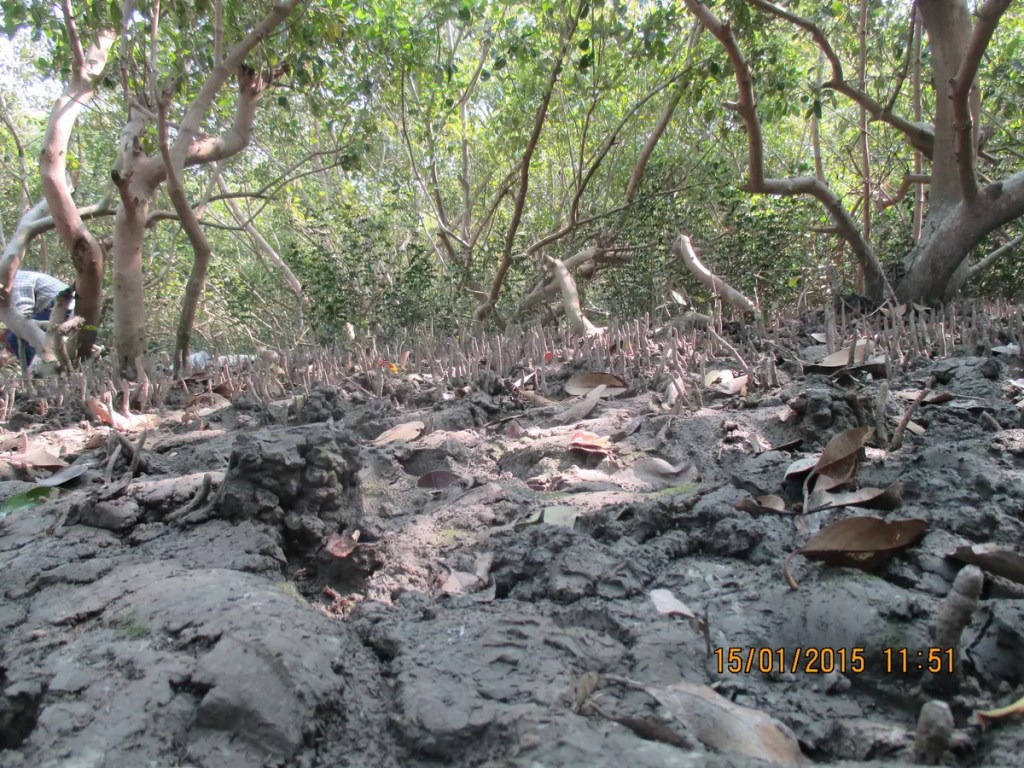
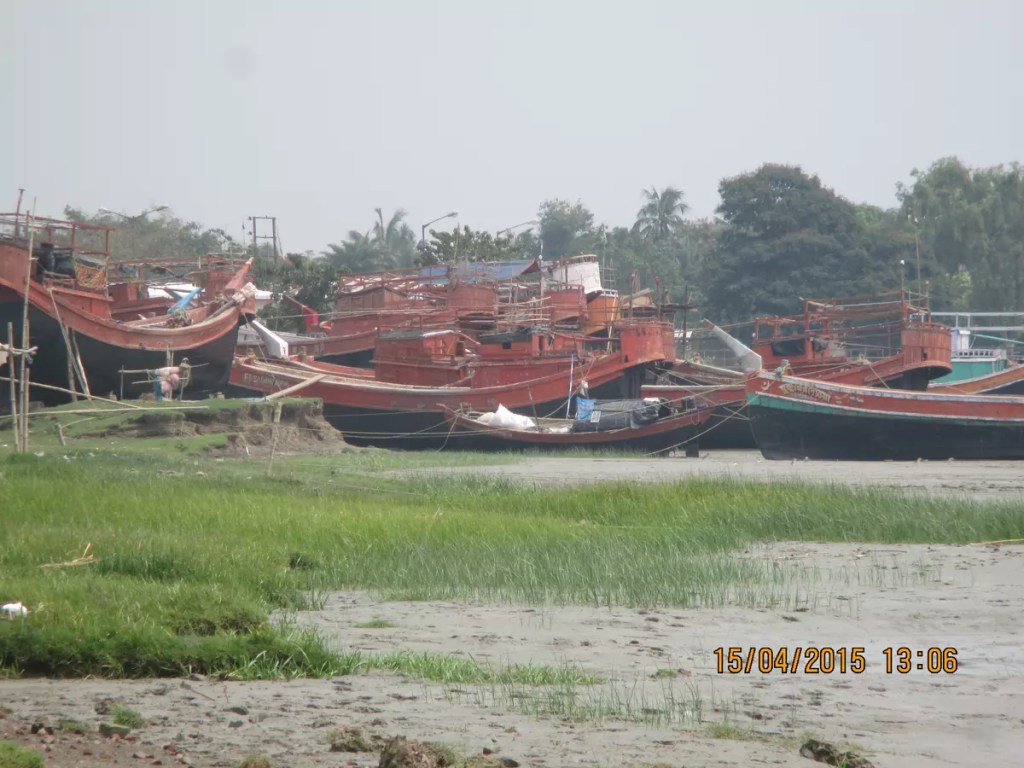
Our journey to Diamond Harbour started from Madhyamgram. On the first leg of our journey, a 40-minute ride in a stuffed sub-urban train brought took us to Sealdah. We were to change our train here to continue our journey. As the train started moving away from the city the grey buildings in the horizon behind and the green fields ahead were a real escape to the eye. After about 1 hour 40 minutes, passing through various stations we finally reached our destination. After inquiring about what our next course of action should be, we decided to take a rickshaw van to the fort. The Purana Kella, as the fort was known locally is a few minute ride from the railway station. The van dropped us at the entrance of a sort of field and we were to walk from here. Overlooking the river, this field would be a player’s delight. At the entrance, we were directed to go across the field and then pass through a broken wall to reach the fort. We marched on with full excitement but with each step, our hopes were grounded. What we could see in front was just ruins. The fort that once stood here with full strength was being washed away by the ever-widening river.


 DFickleMind