Nyhavn
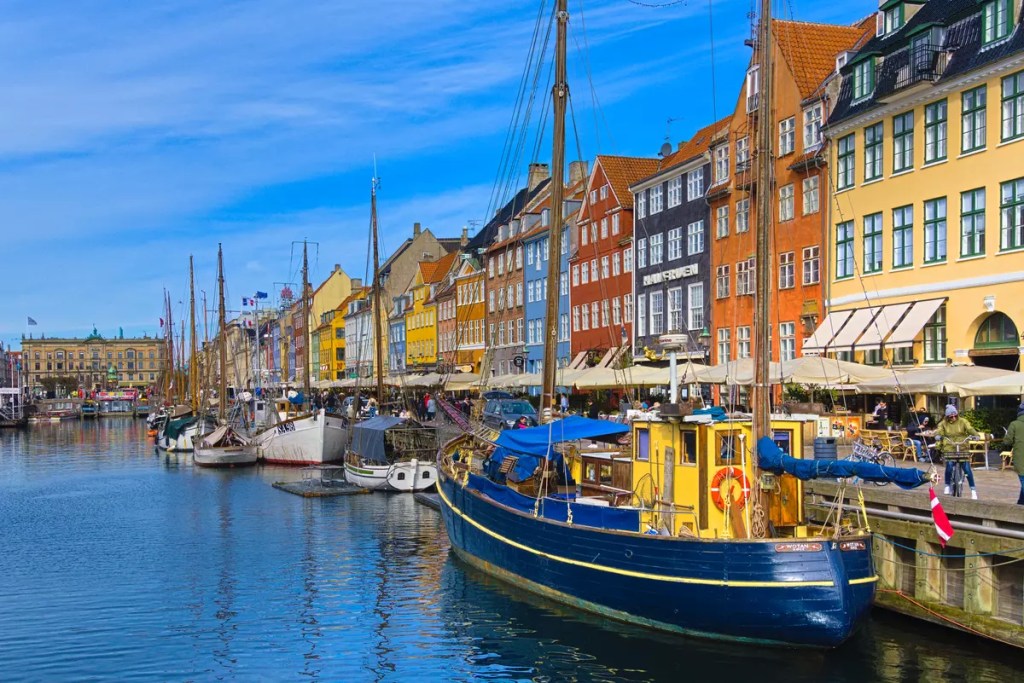
This is the place from the classic picture of Copenhagen on Google search. The street with colourful buildings and canals and boats in it. Nyhavn is the Danish word for new harbour. The area dates back to the 17th century and was built as a gateway from the sea to the old inner city. Today, except for the sightseeing canal cruises no big ships enter this area. However, as a reminiscence of the old days, several historical wooden ships are harboured here. The other thing that adorns Nyhavn are its colourful buildings including one where the famous fairytale author Hans Christian Andersen lived. Most of these buildings now serve as restaurants and cafes spicing up the Copenhagen food scenes.
Reffen
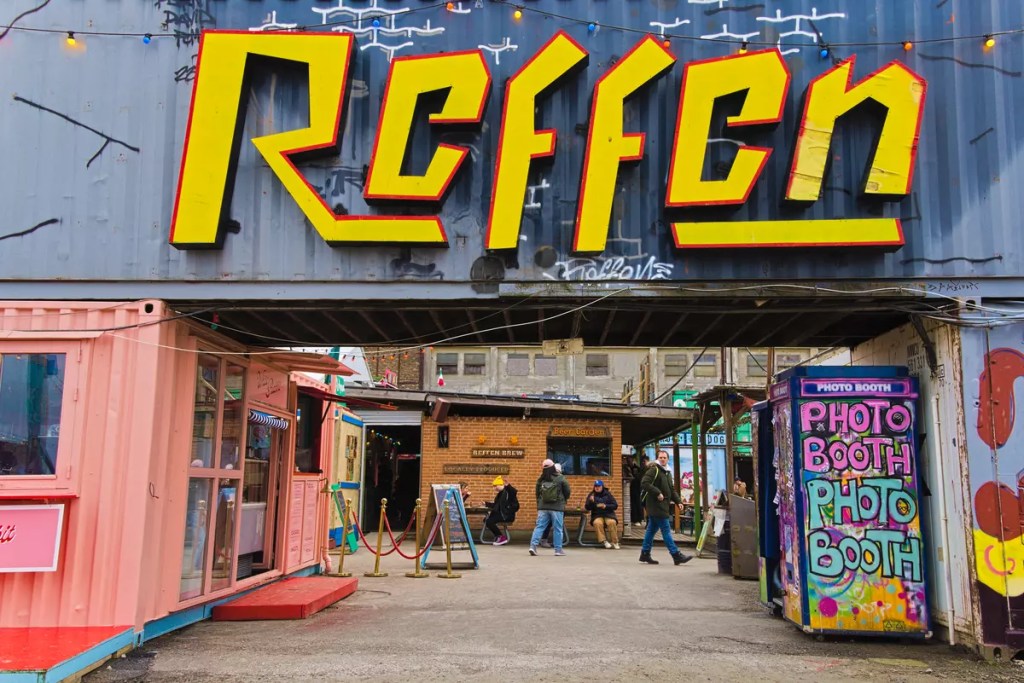
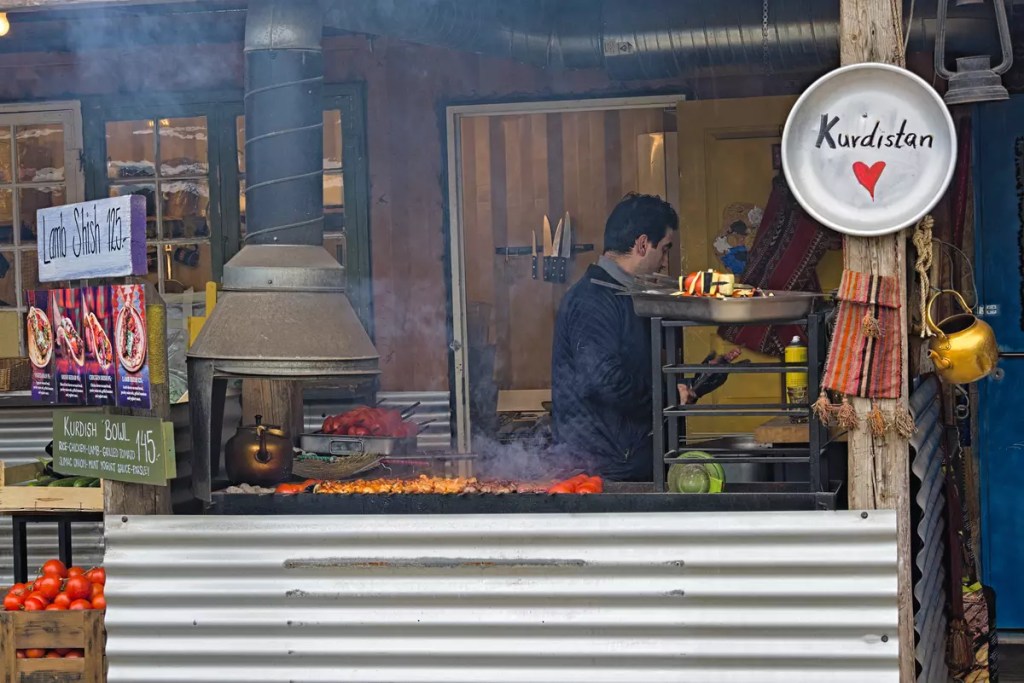
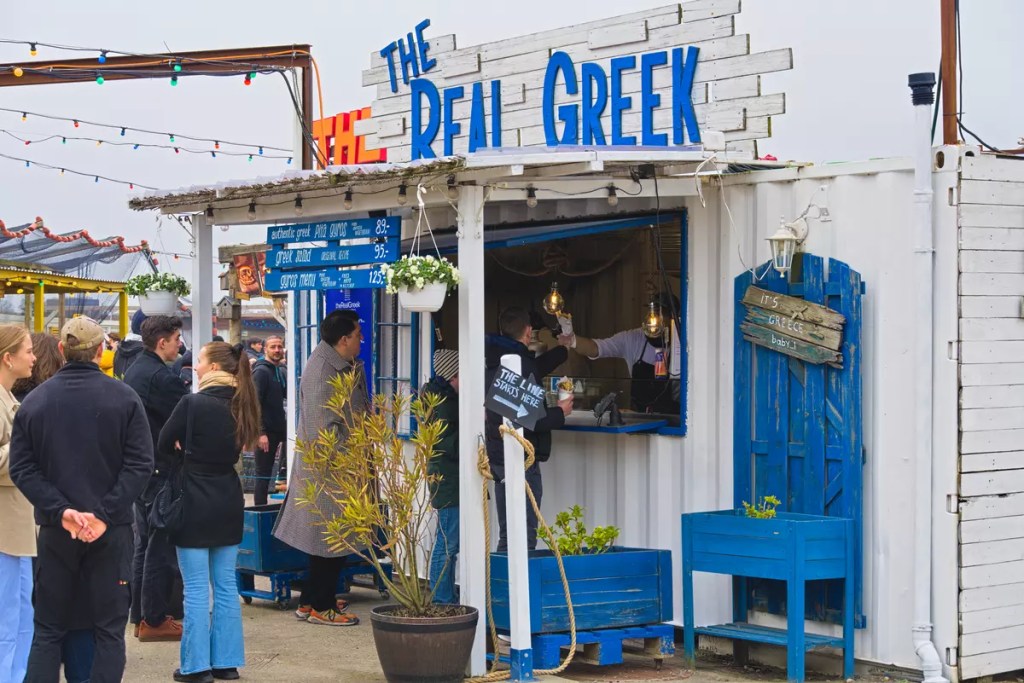
Talking about Copenhagen food scenes would be incomplete without Reffen. Reffen is the largest street food market in Northern Europe. It is a true melting pot of world cuisine. The spices have literally turned the old shipping containers and warehouses into a delicious must-visit place in Copenhagen. While in summer, you would be naturally attracted to the waterside open sitting area, in winter you can still enjoy the tasty foods inside its newest indoor sitting hall. Reffen is easily reachable from Copenhagen Central Station by bus number 2A. My top pick here that I would recommend to others is shish kebabs from a Kurdish stall called Gosht. Apart from this, the momo from Everest, BBQ and Bao from Manila Street and parmesan fries from Quick Bites were also worth a try. These were just four of the several stalls that I could taste during that one afternoon while leaving the rest for another trip.
Freetown Christiana
Between Nyhavn and Reffen is a place quite unlike the rest of the city. The Freetown Christiana is an independent commune that was started by a group of anarchists and hippies by taking over an abandoned military base in 1971. The Christianshavners, as the residents of this area would call themselves, are guided by their own rules and flag. Though this ‘social experiment’ was legalised in 2011, it has always remained in controversy due to the growing crime in the area. The commune is one of the largest tourist attractions in the city partly owing to the creative architecture of the houses here and partly due to Pusher Street, an area infamous for its open trade of otherwise illegal cannabis. However, as of April 2024, Pusher Street has been closed by the actions of the residents in an attempt to bring down organised crime. While visiting Freetown Christiana, you can opt for a guided tour of this alternative society by one of its resident members or go about a self-exploration of the creative housing, workshops, and eco-restaurants in the area. Please refer to the Visit Copenhagen website for more details of the guided tours.
Bonus:
If you feel that you still have an appetite to explore more of Copenhagen, then here are another three sets of places that you could visit.
Bakken and Tivoli: Copenhagen boast of some of the oldest still operational amusement parks in the world. Bakken has been in operation since 1583 while Tivoli was founded in 1843. The Tivoli Gardens is located right next to the Copenhagen Central Railway Station while Bakken is about 15 km from the Tivoli and can be reached by the C route of S-trains. Bakken operates on a pay-per-ride ticket. On the other hand, you will also need to pay to enter the Tivoli Gardens besides the tickets for the rides. The main attraction of Bakken, as far as I could say, is the nearly 100-year-old wooden roller-coaster. Would you dare try it?
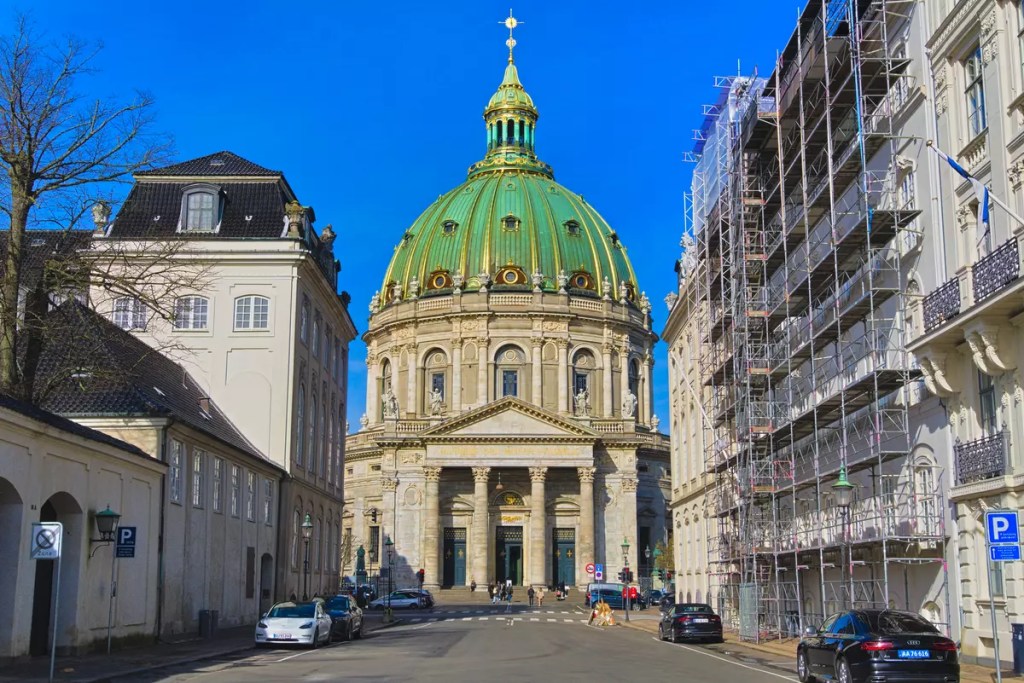
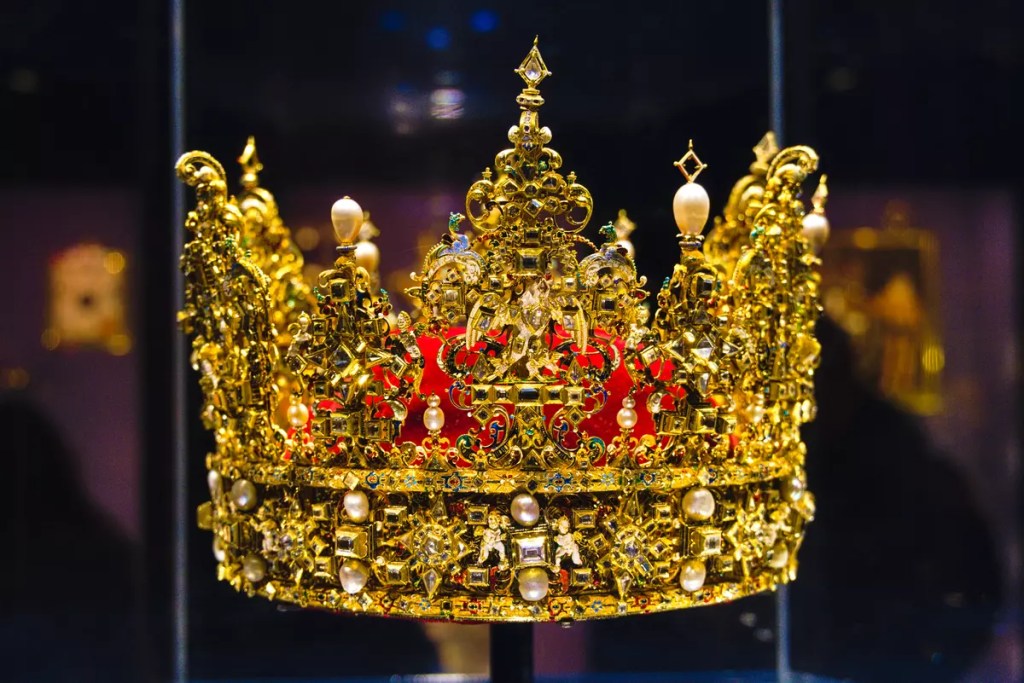
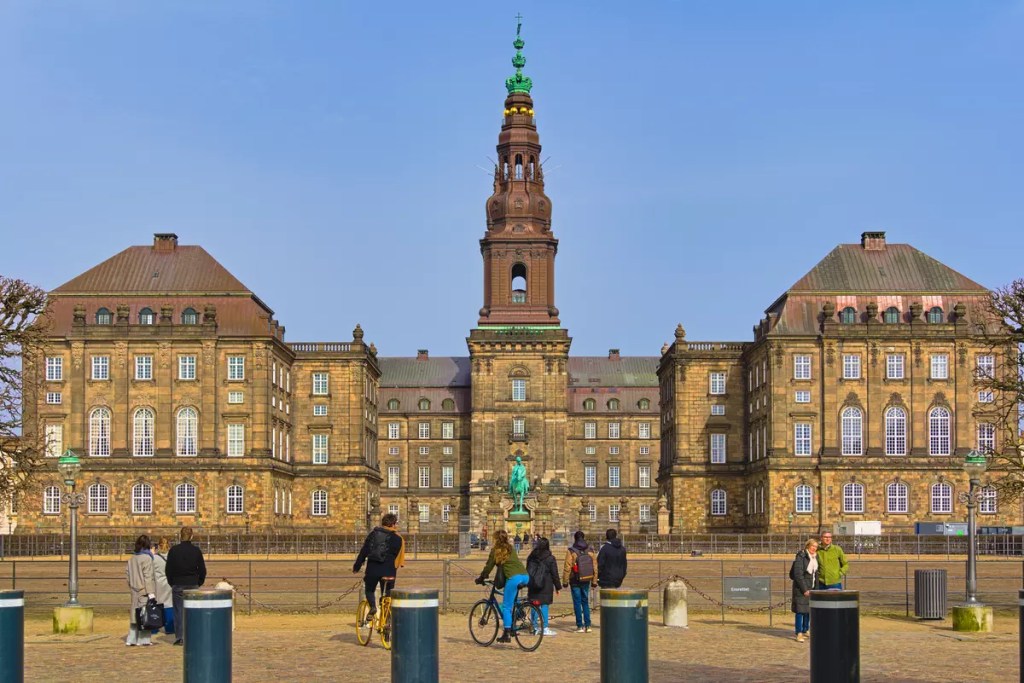
The Royal Triangle: Denmark is a constitutional monarchy and Copenhagen has been its capital since the early 15th century. Over its thousand years of history, it has grown from a small Viking fishing village to a modern metropolitan city of today. Traces of this long history are scattered around the city, especially in the form of its two palaces and a castle that I can call the Royal Triangle. The Rosenborg Castle built in the early 1600s as a pleasure castle is currently the home of Danish crown jewels. The 18th-century Amalienborg Palace is the official residence of the Danish royal family. The more recently constructed Christiansborg Palace is the seat of the Danish parliament. While each of these three places has a primary official function today, they also house a museum that tells the story of this historic city. Adjacent to the Amalienborg Palace is the iconic Marble Church whose blue dome is a distinct feature of the bird’s eye view of Copenhagen. If you are at the Amalienborg Palace at noon 12 o’clock you will be able to witness the changing of guards ceremony.
7-Eleven: I might have bragged about Reffen a bit too much here. I must admit that it is not just Reffen that has good food in Copenhagen. Even the humble 7-Eleven stores that can be found in every corner of the city have great baked delicacies to offer. During my stay, I tried a couple of different items from a couple of different 7-Eleven stores and each pick was a hit even though now I cannot recall the names of the things I ate. So if you are looking for a quick snack while exploring Copenhagen, head to your closest 7-Eleven store. (Note: this post is not sponsored by 7-Eleven!)
Pictures from my visit to Copenhagen are available on 500px.com and Instagram.

Discover more from DFickleMind
Subscribe to get the latest posts sent to your email.
 DFickleMind